Our Impact
When support relies solely on charity, it unintentionally creates dependency.
We believe that social impact initiatives must be designed to become financially sustainable — empowering communities and ensuring their progress continues long into the future.
Women Empowered
Lives Impacted
Children Supported
Reversing Rural Migration
Across rural Nepal, many men migrate abroad in search of a better future — but some never return home. Left behind, their wives become single mothers, facing poverty, hardship, and uncertainty with little or no support.
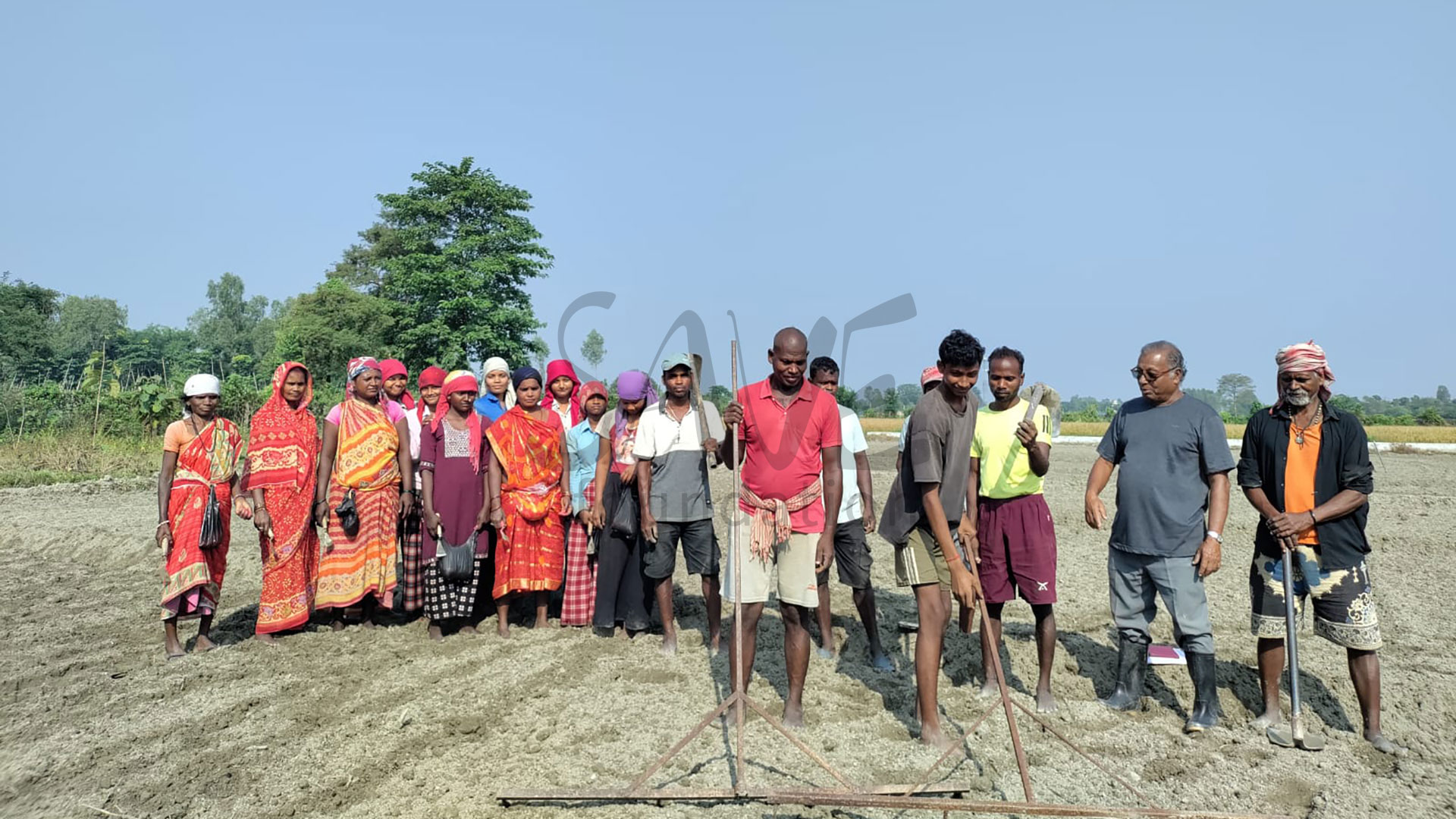
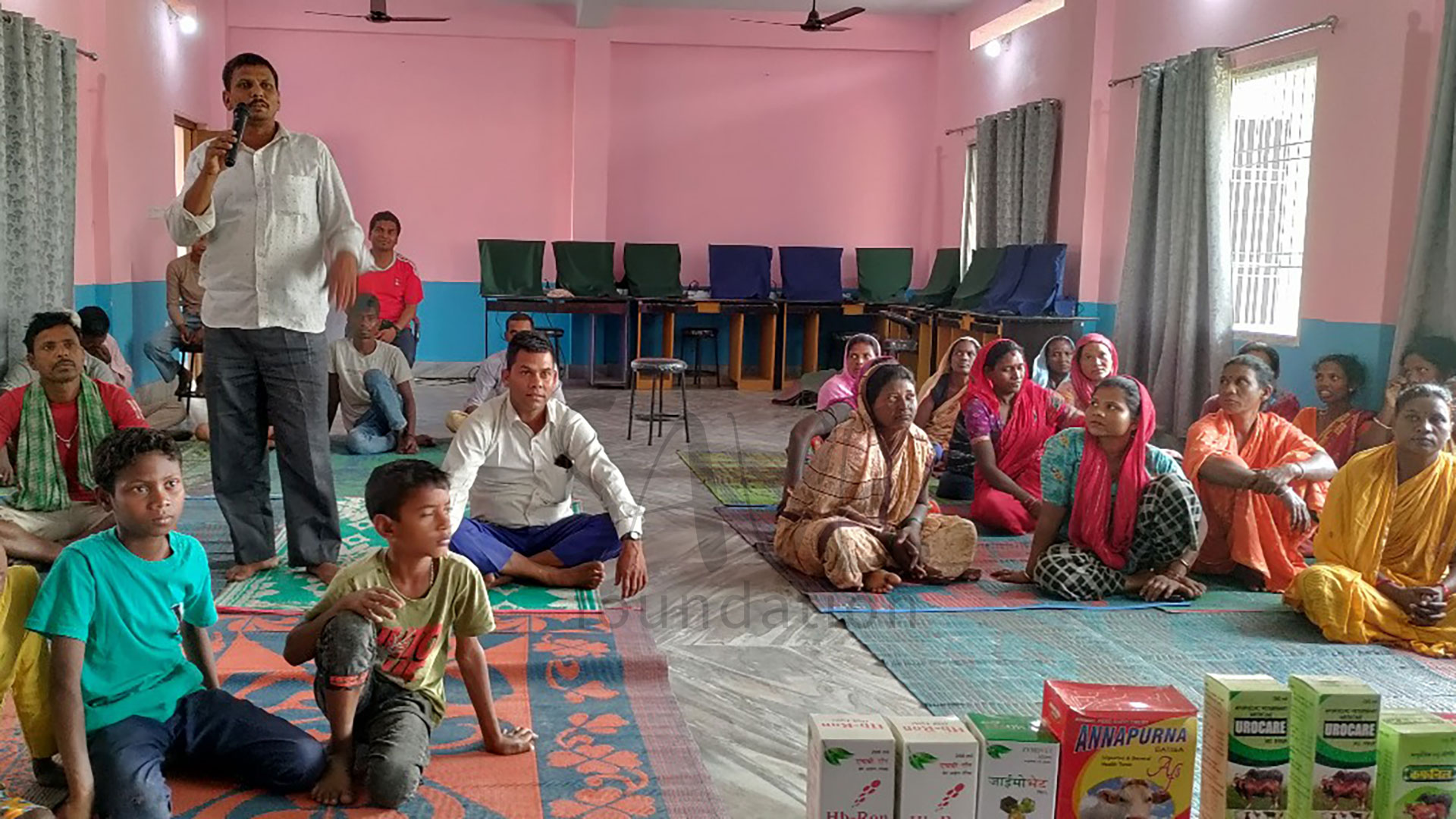
In the remote village of Laukahi in Nepal, SAVE Foundation together with its local Partner designed a project to reverse the cycle by creating livelihoods at home. Our focus are the landless farmers and single mothers living below the poverty line, enabling entire families to work together and share in the harvest’s success.
Intervention
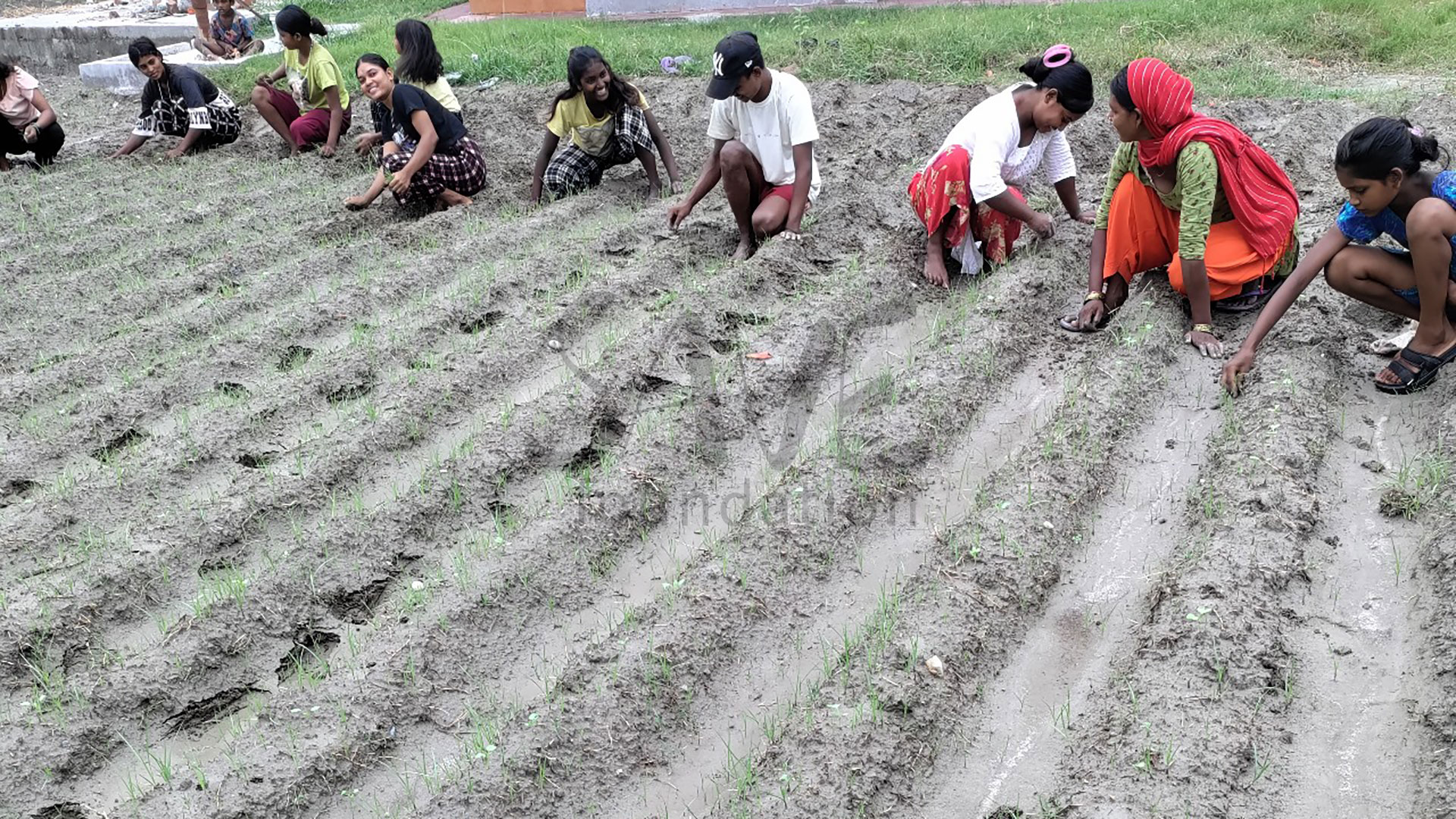
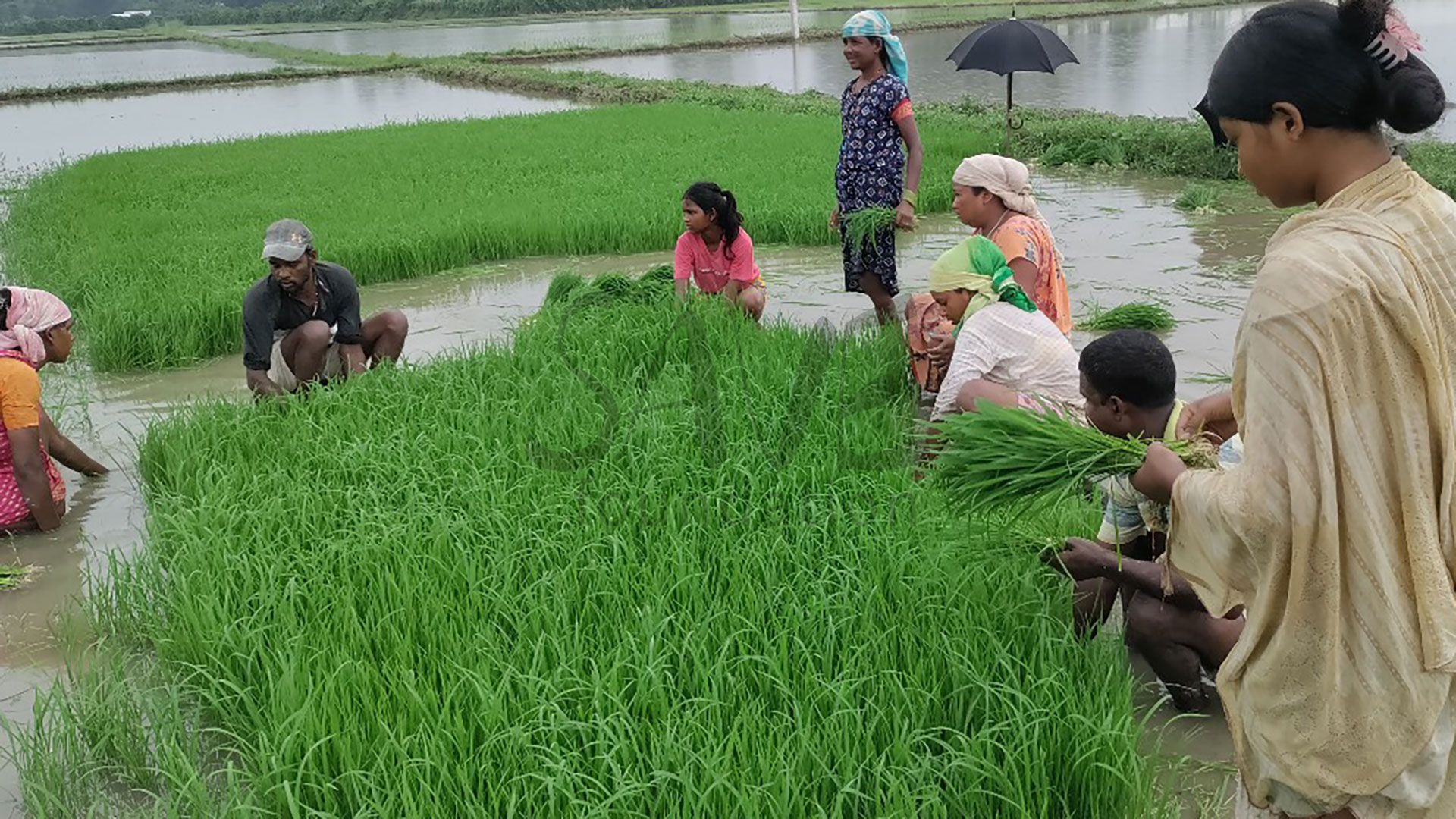
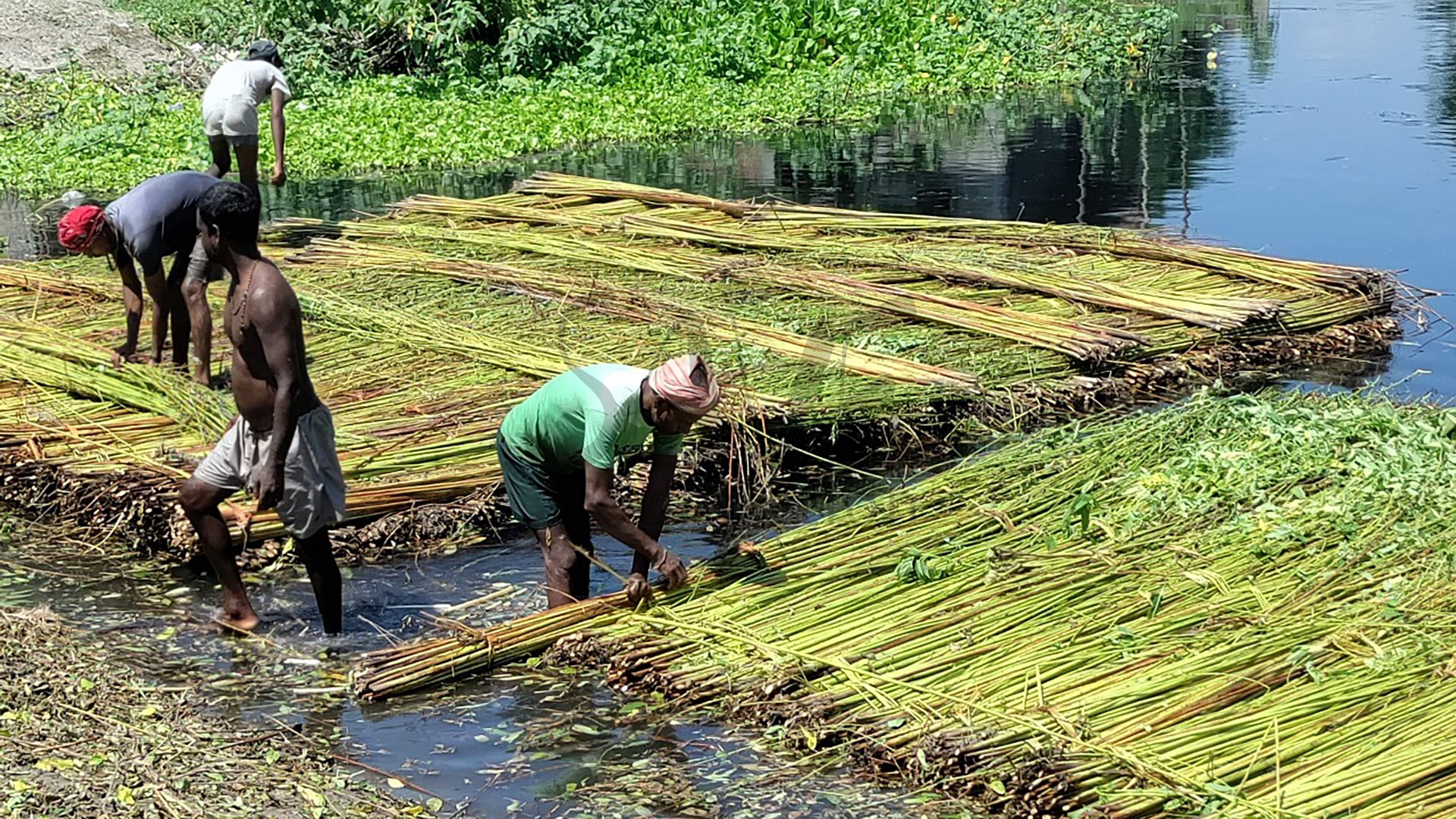
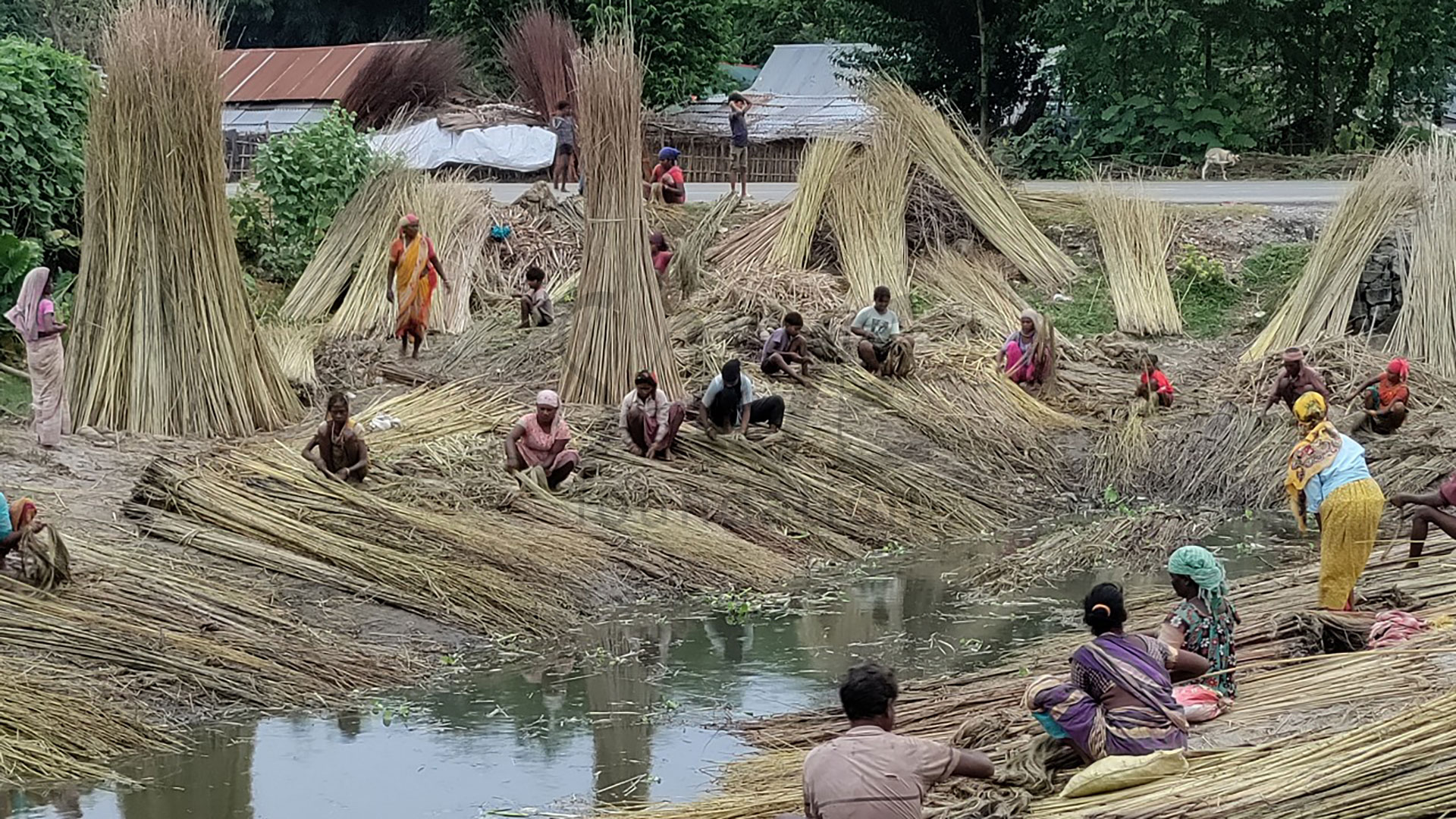
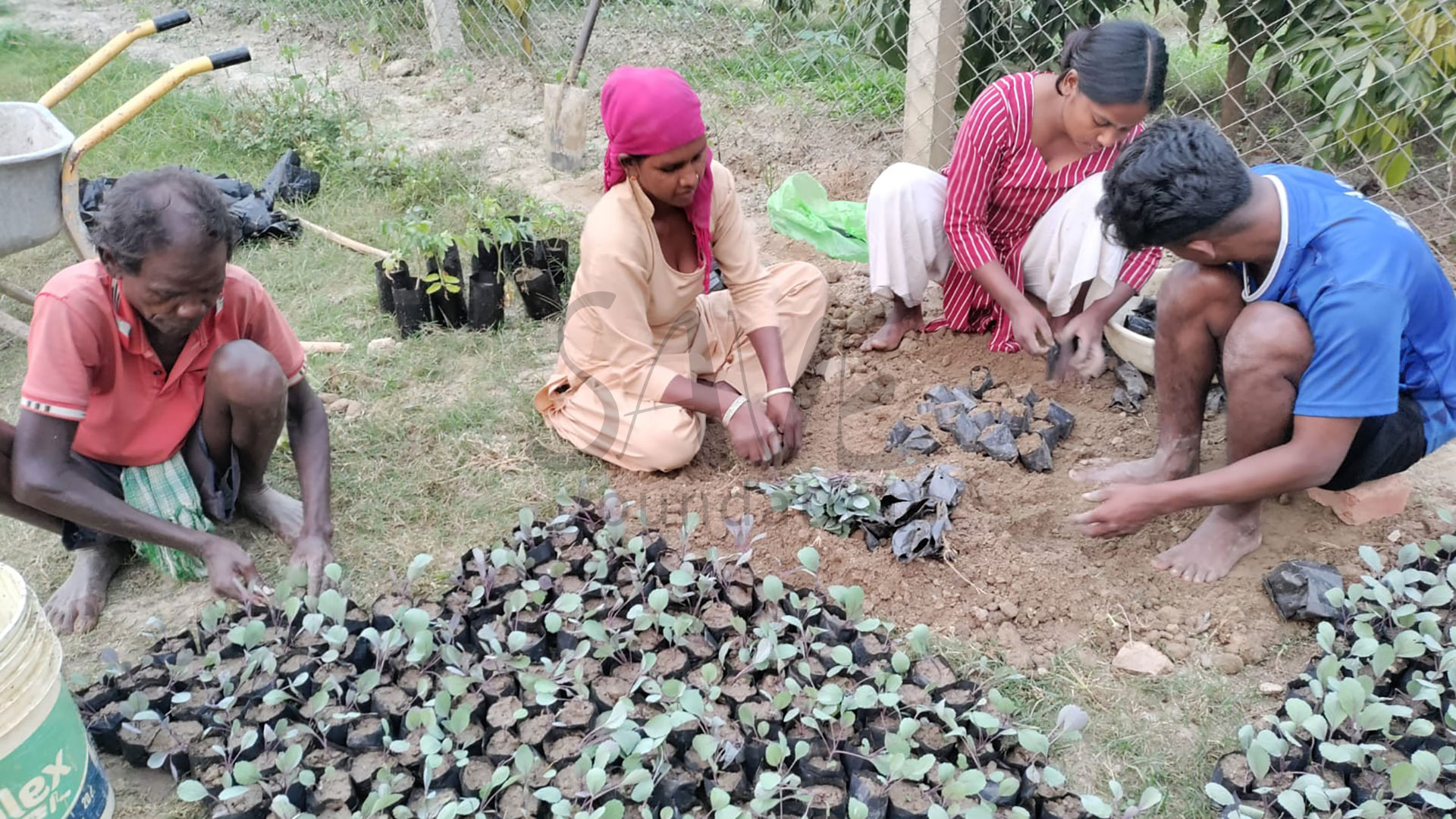
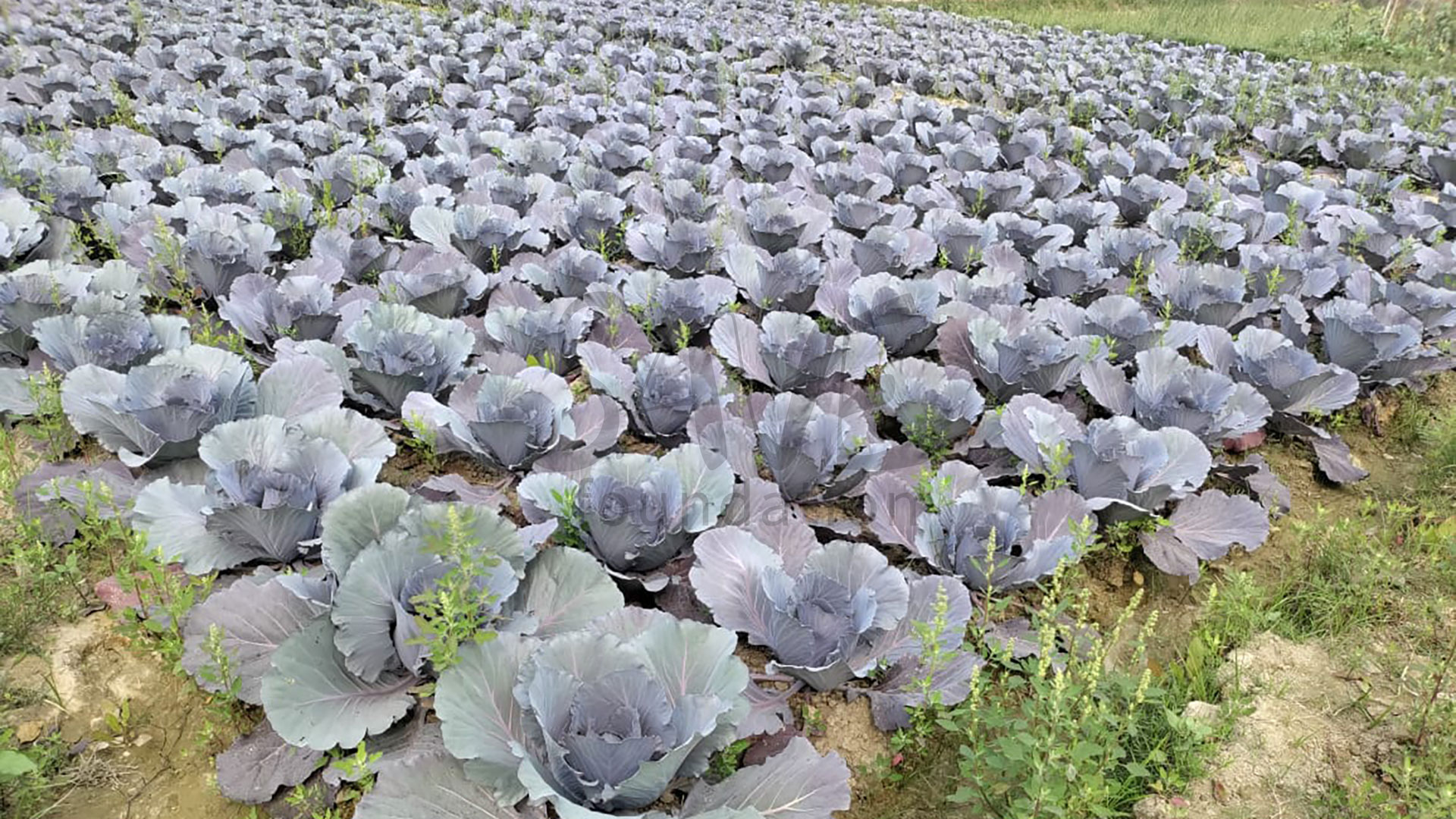
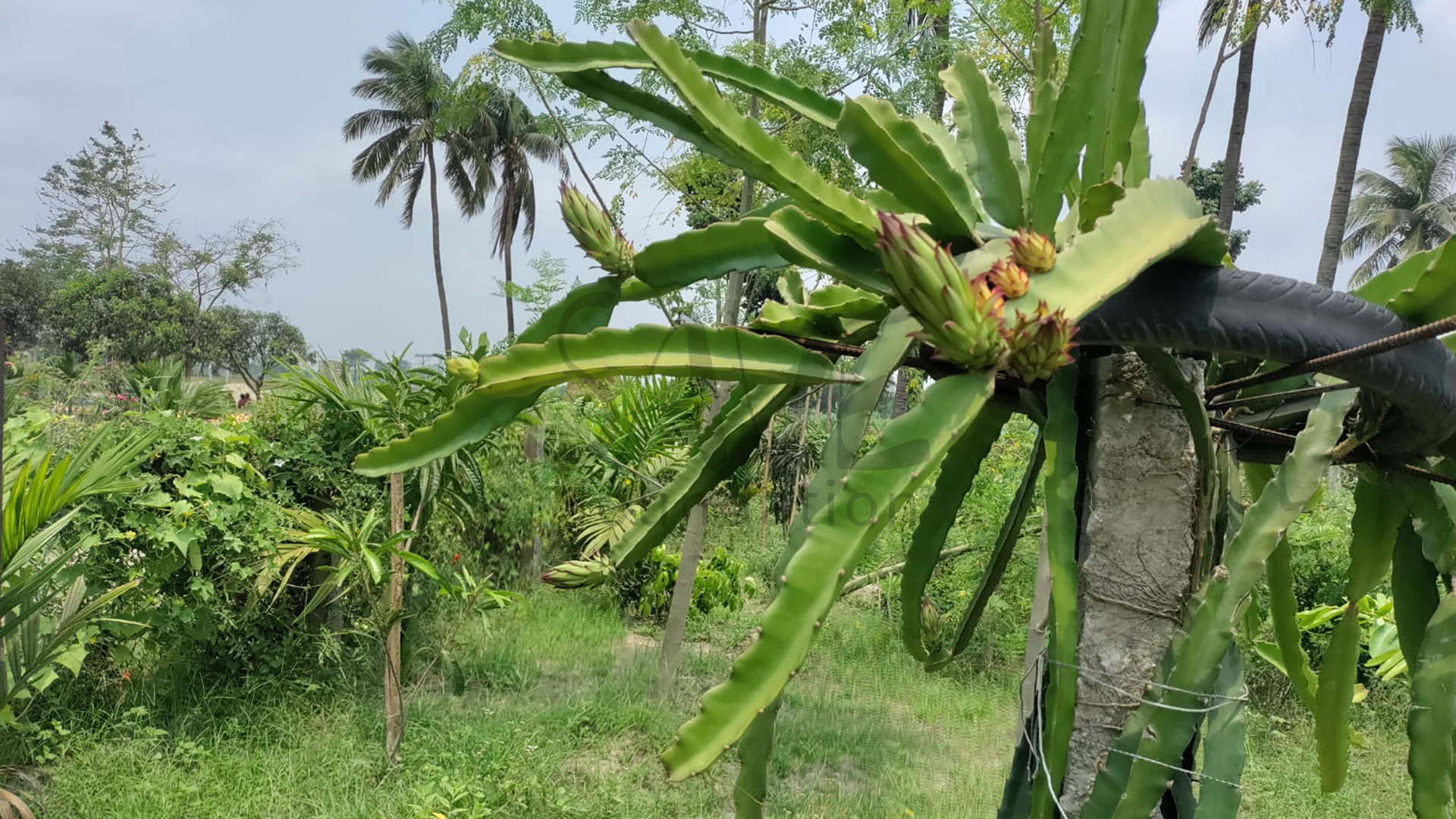
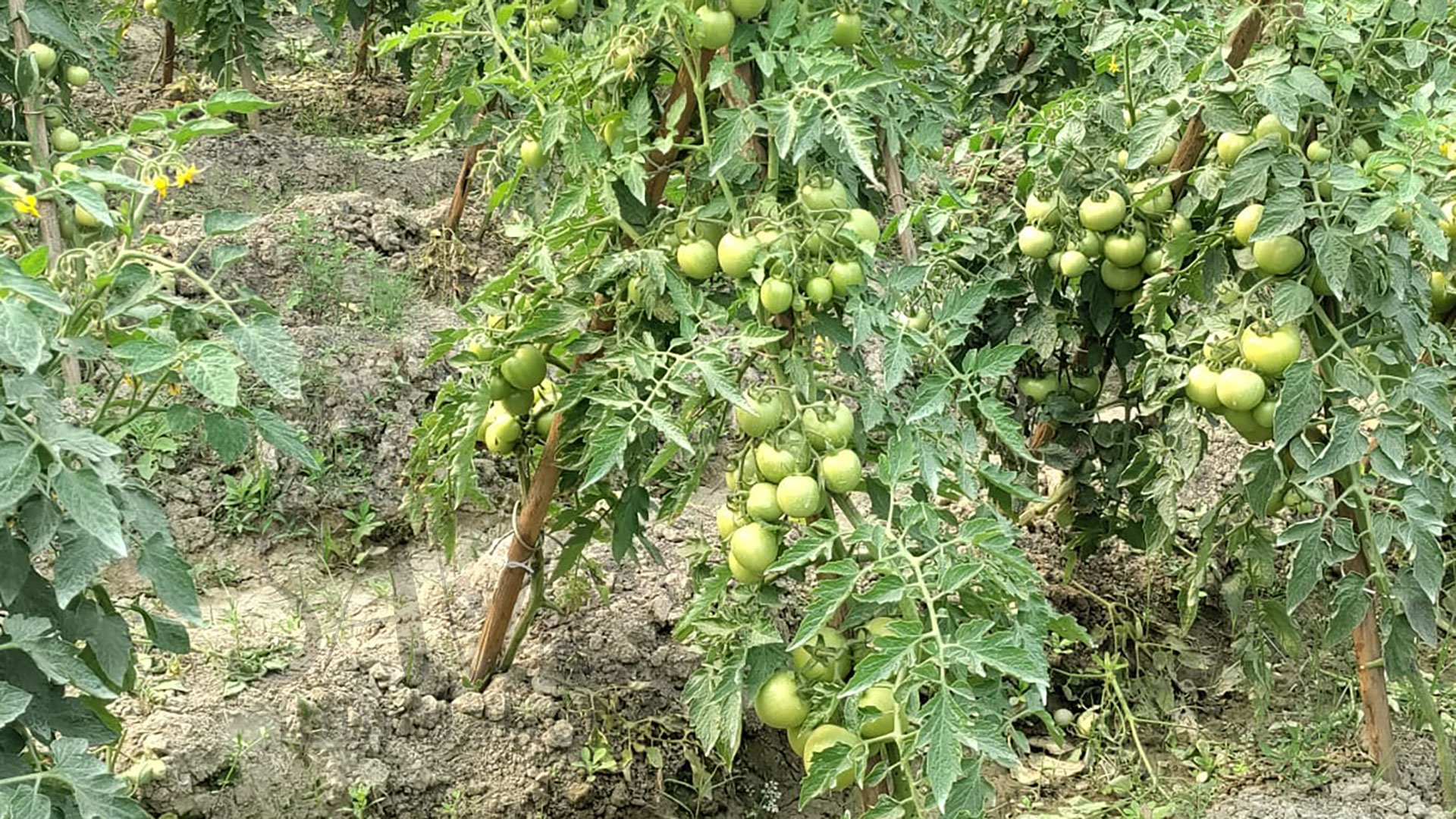
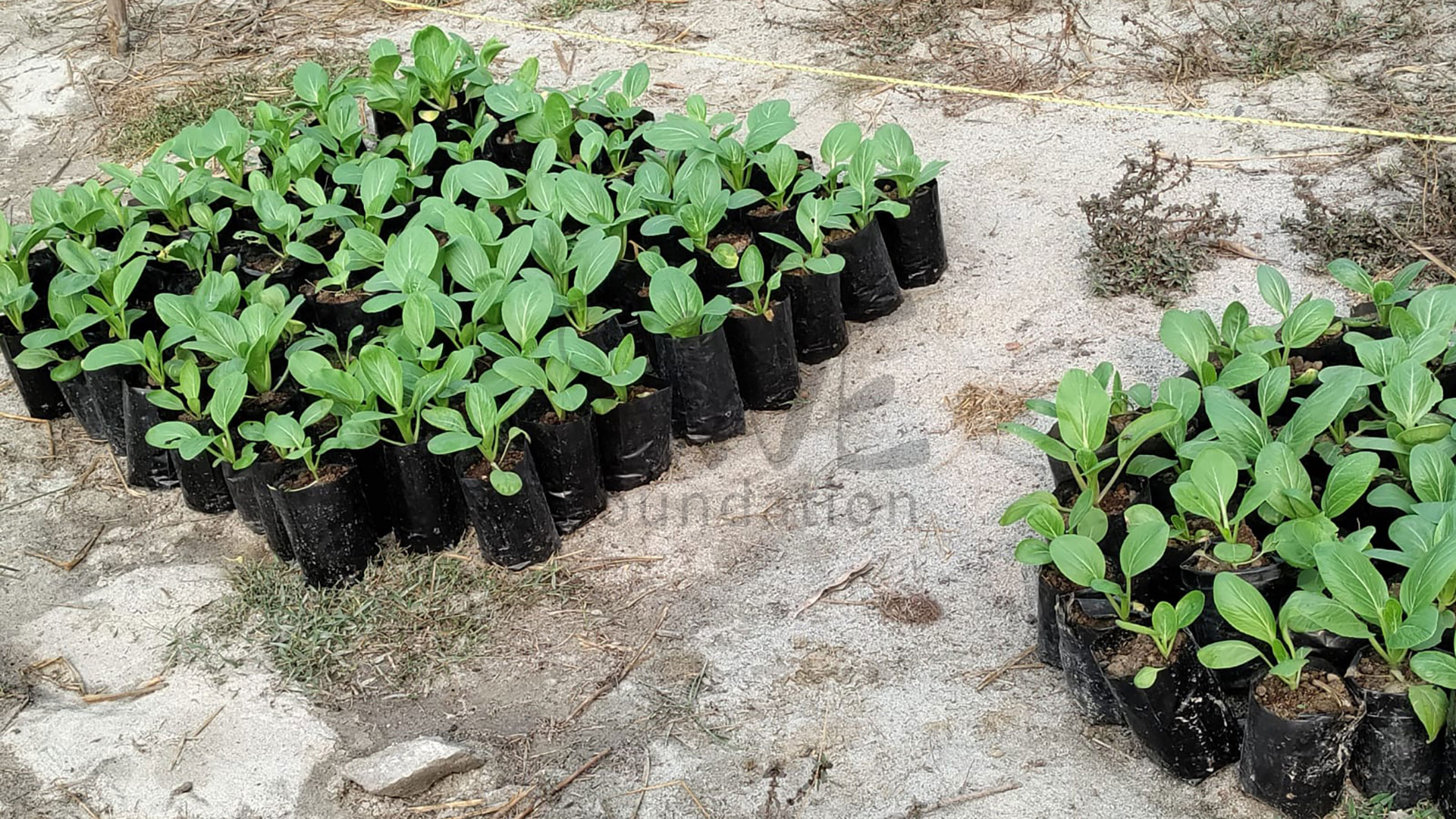
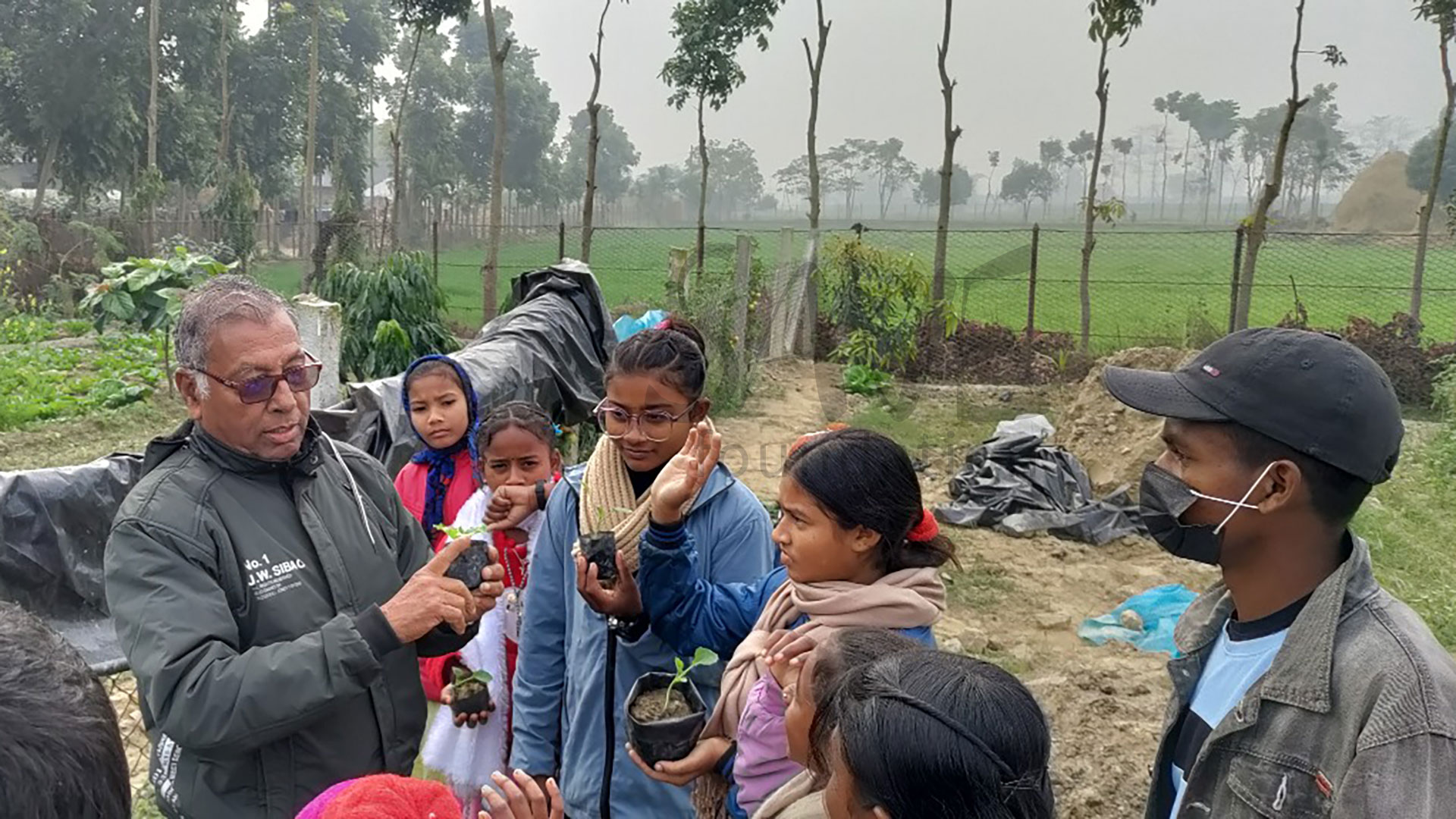
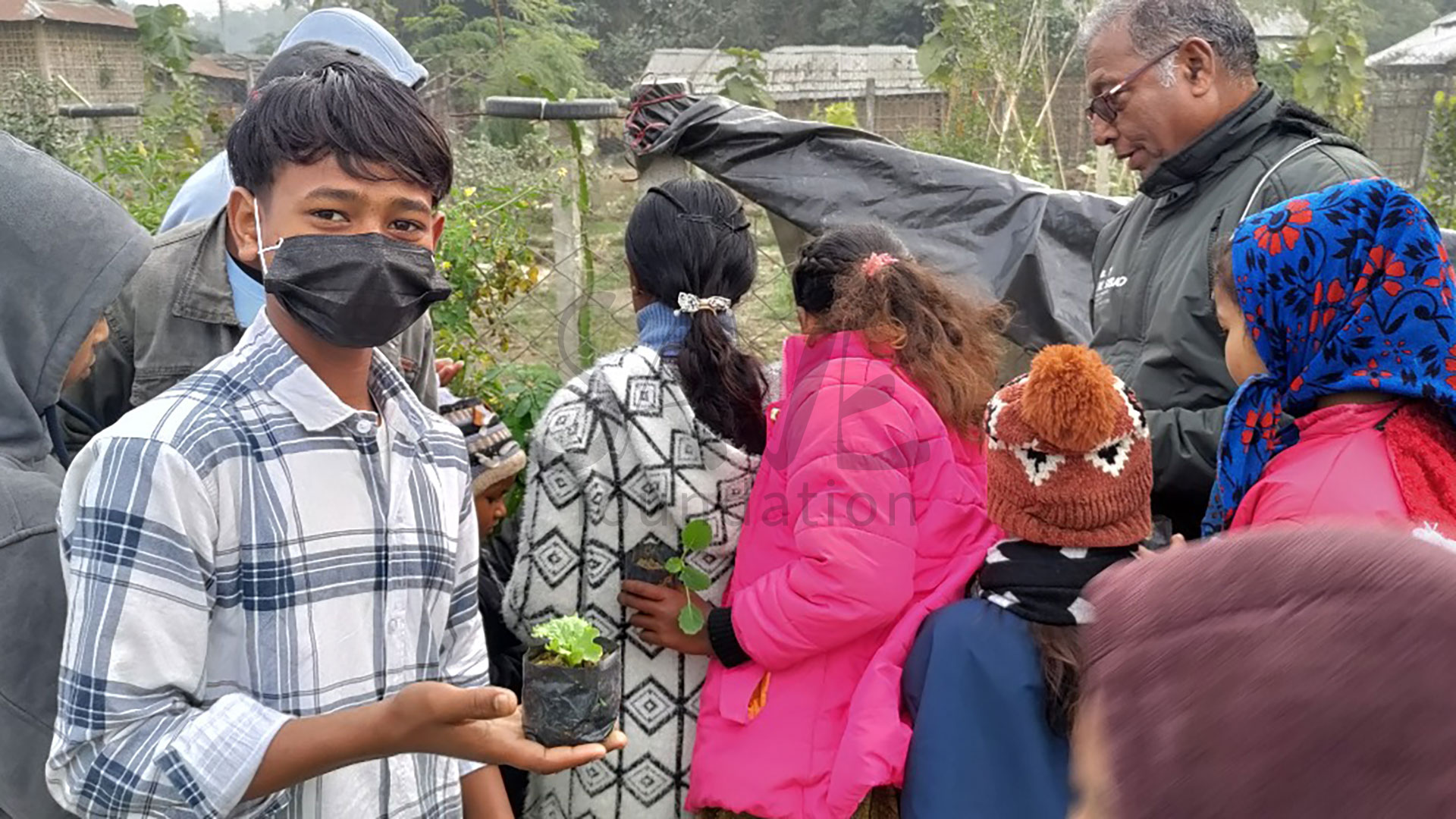
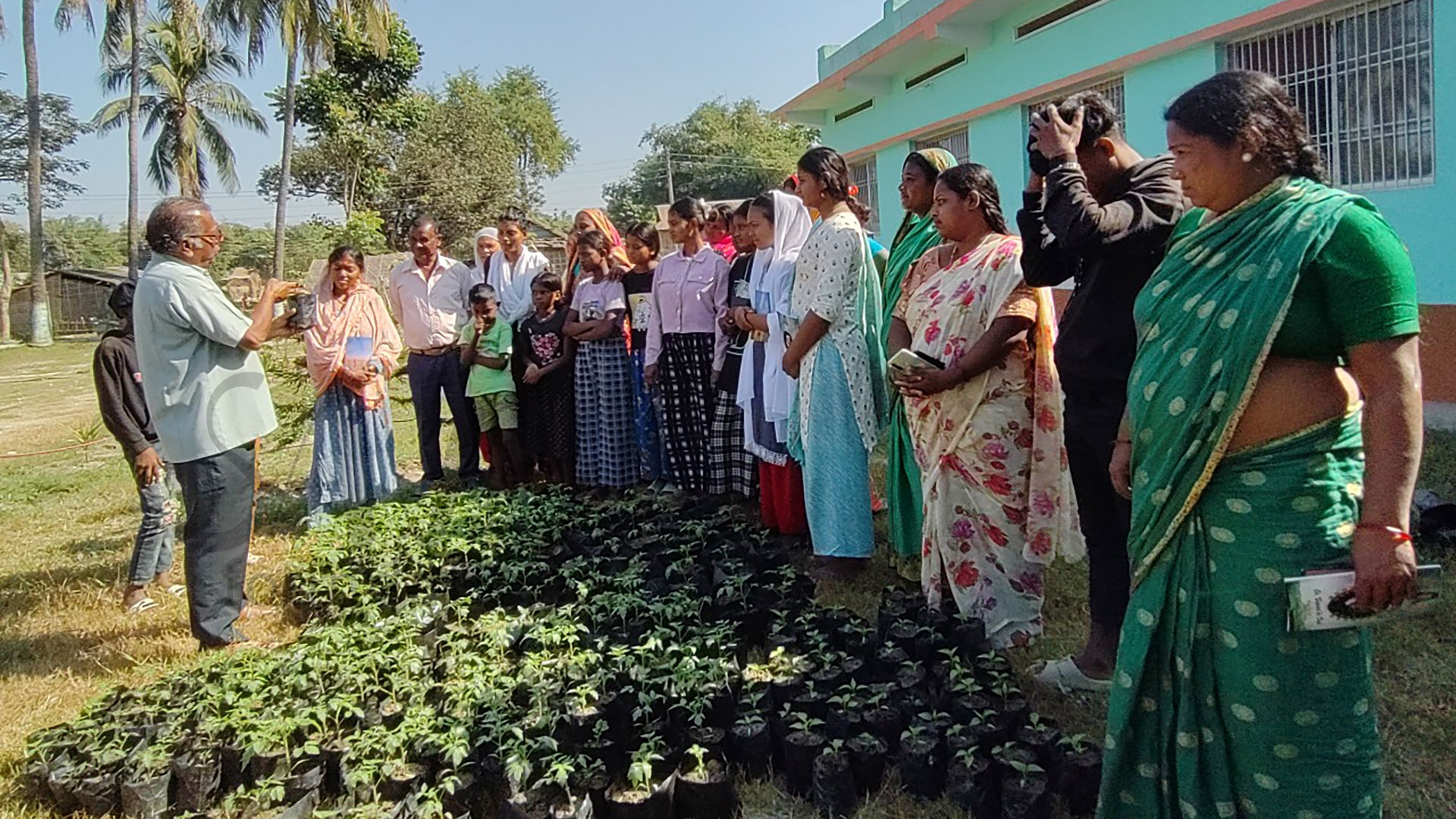
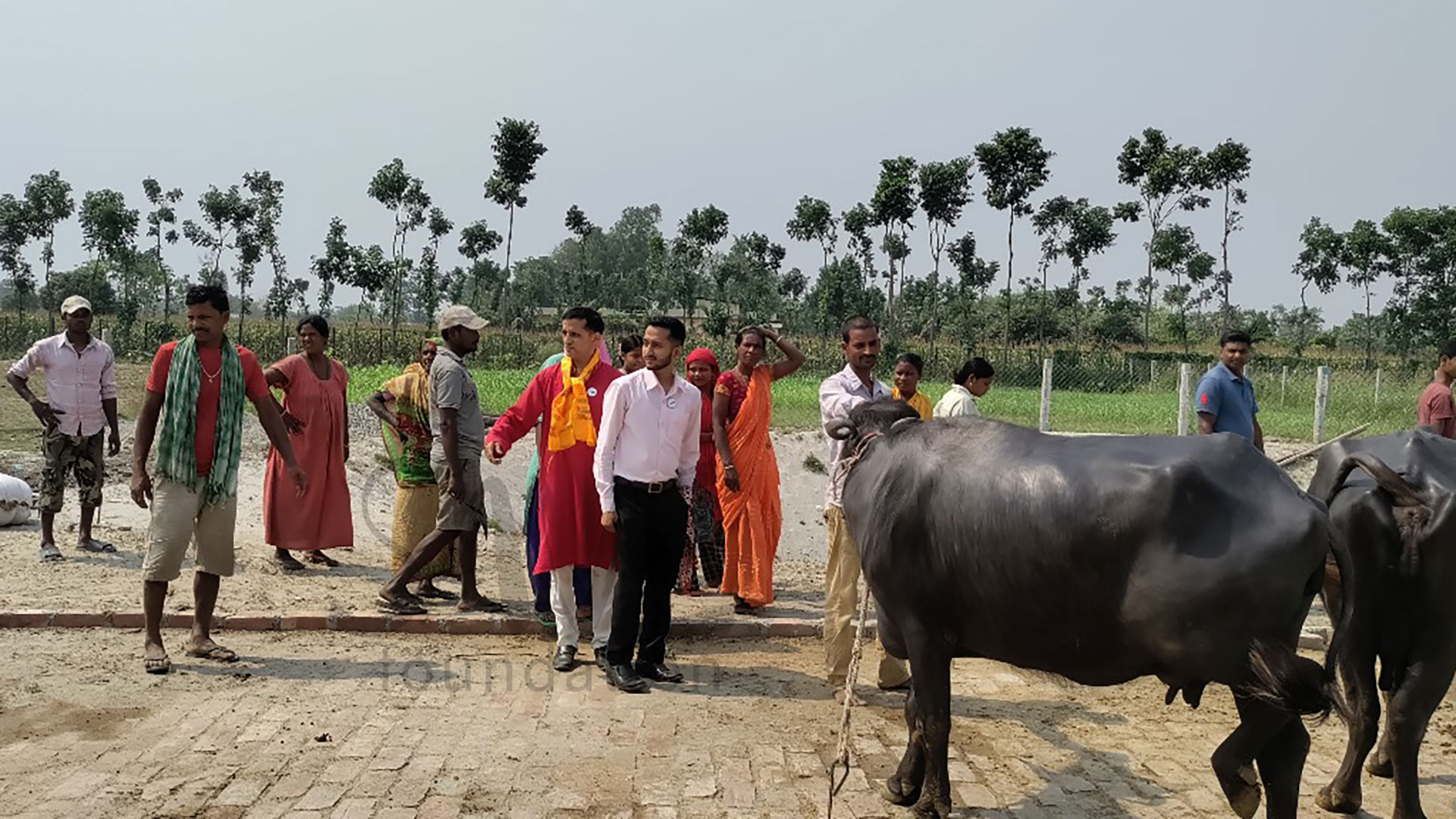
12 acres of land was transformed into a sustainable community farming initiative. In this, a 2-acre Model Farm trains families in natural farming, while 10 acres are cultivated under a community-based profit-sharing model.
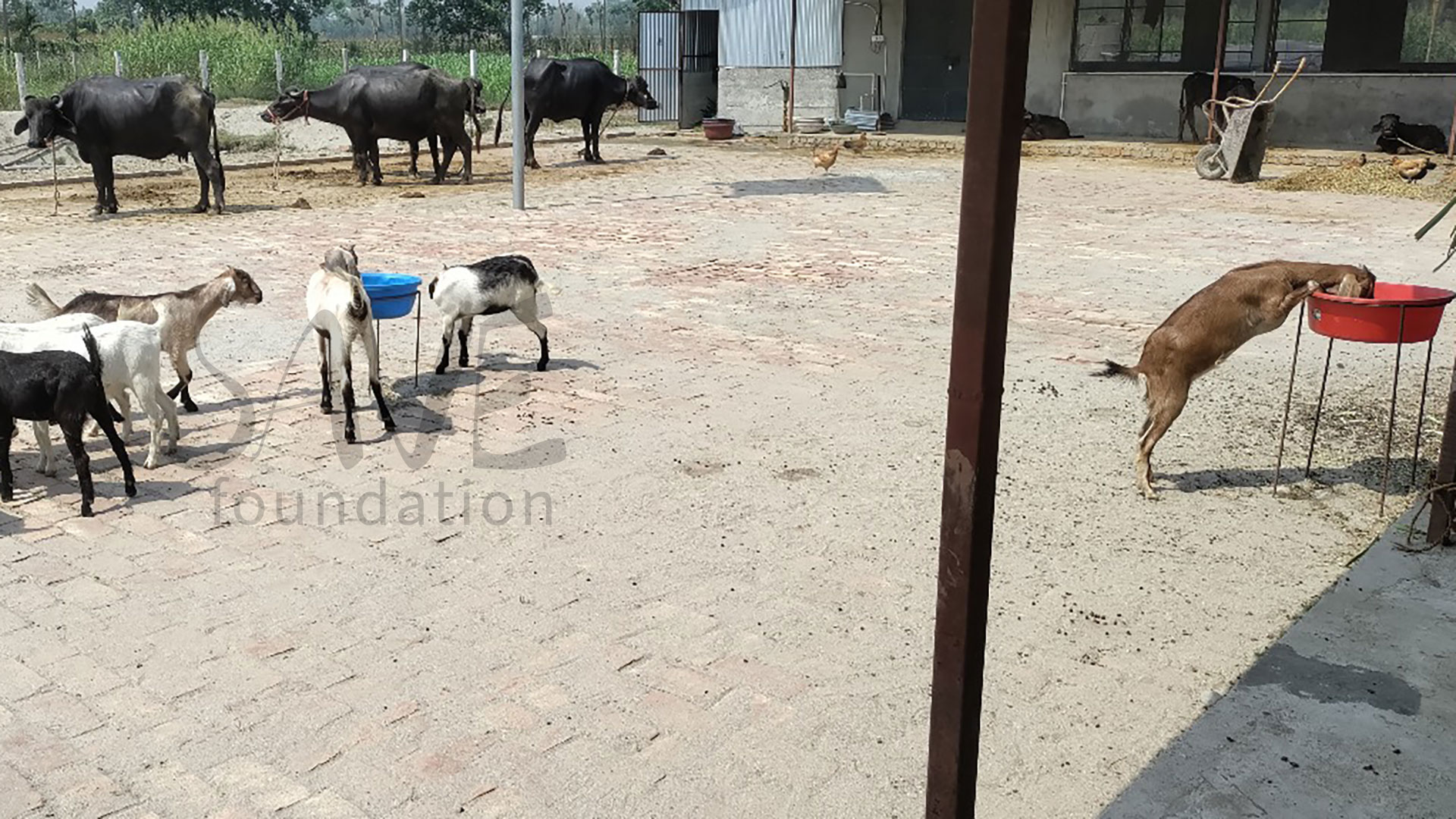
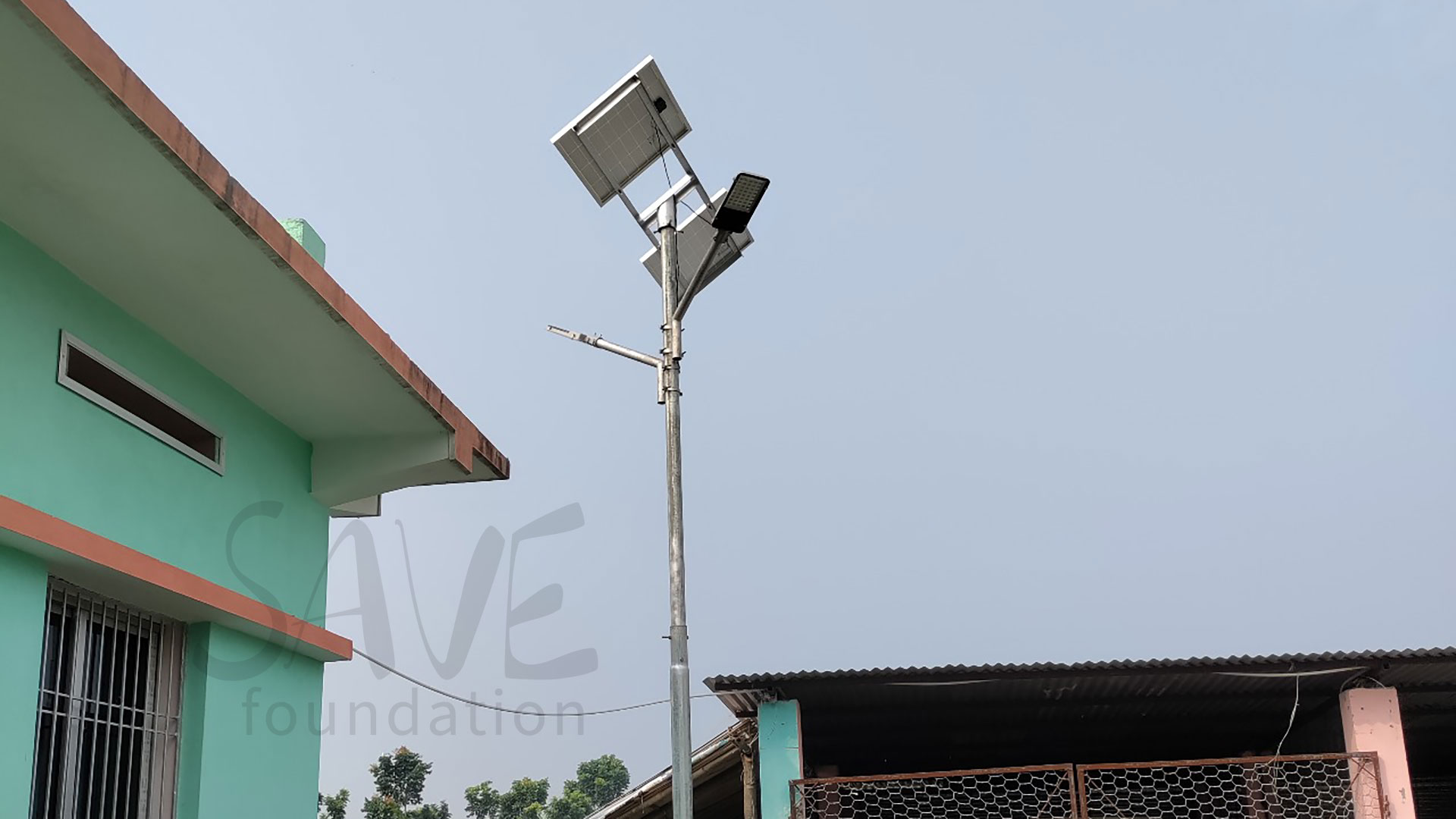
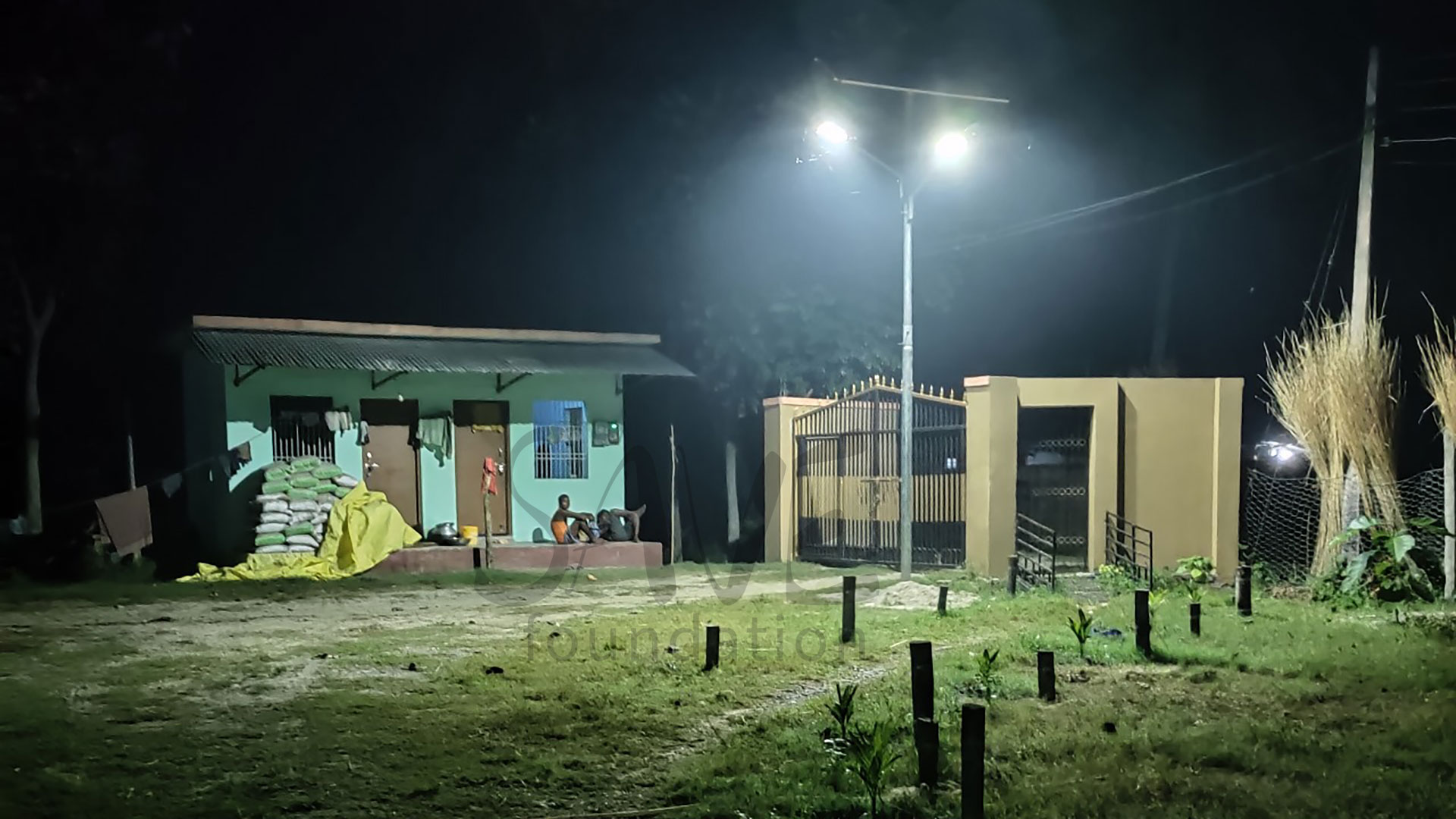
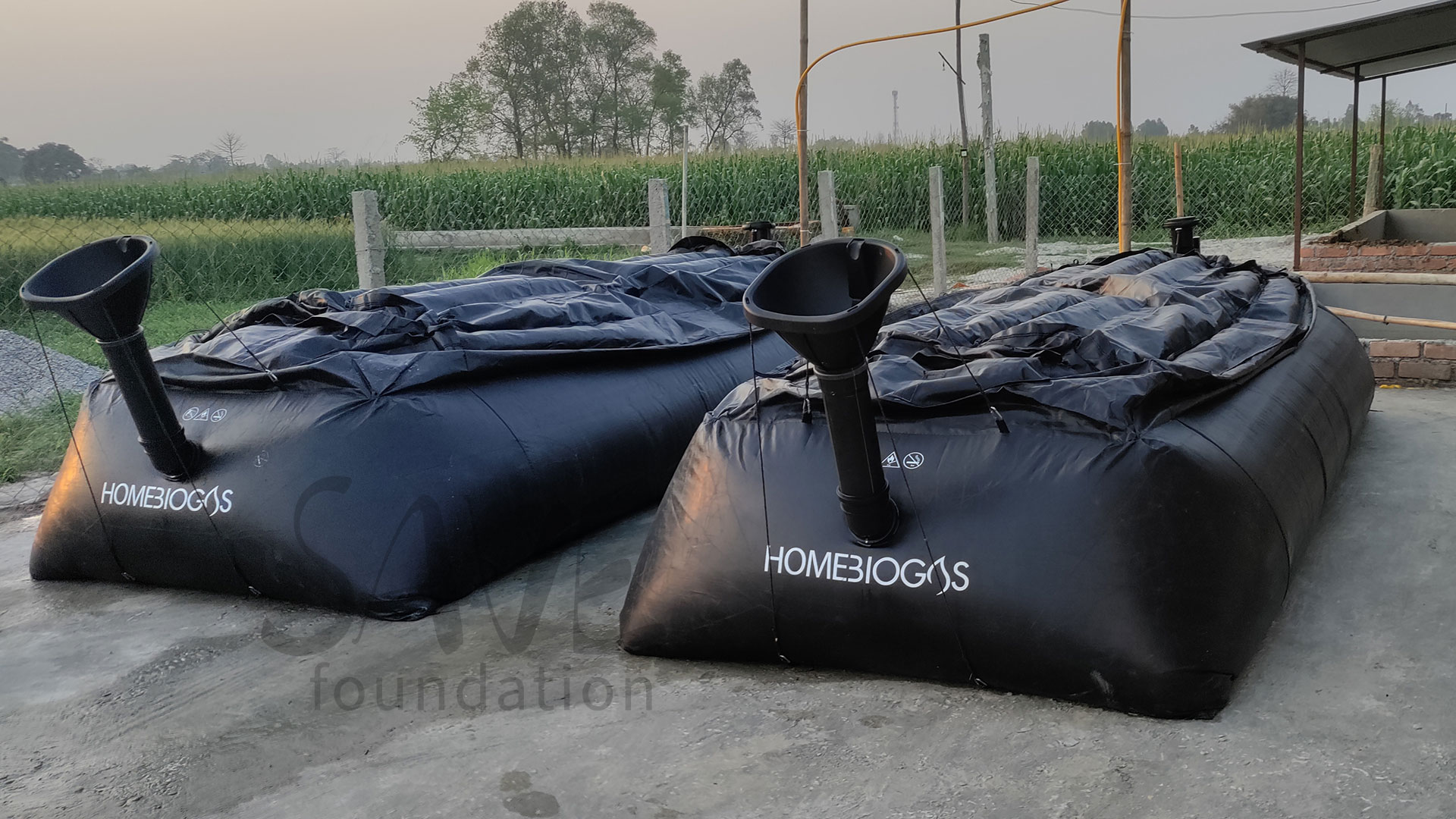
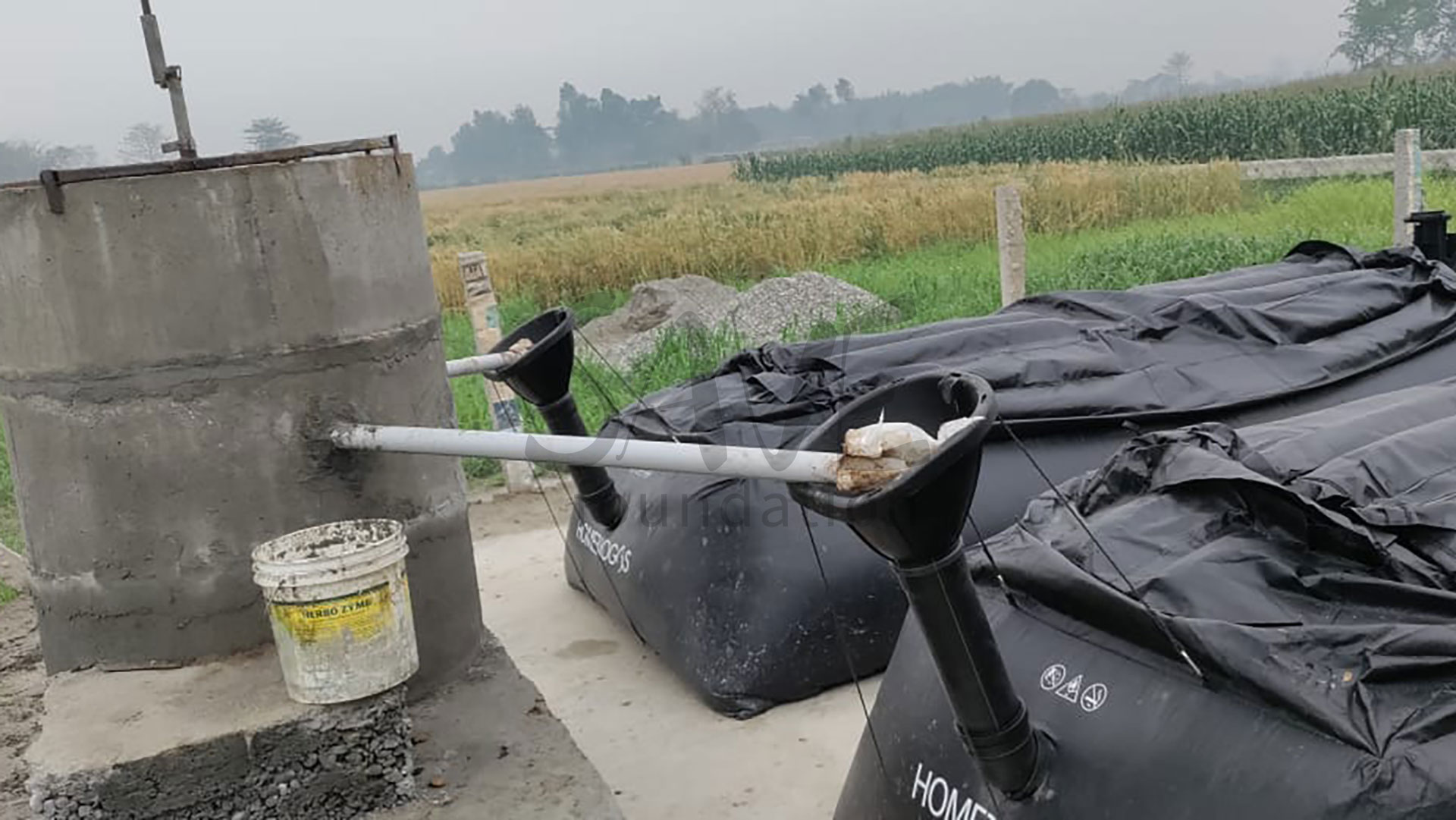
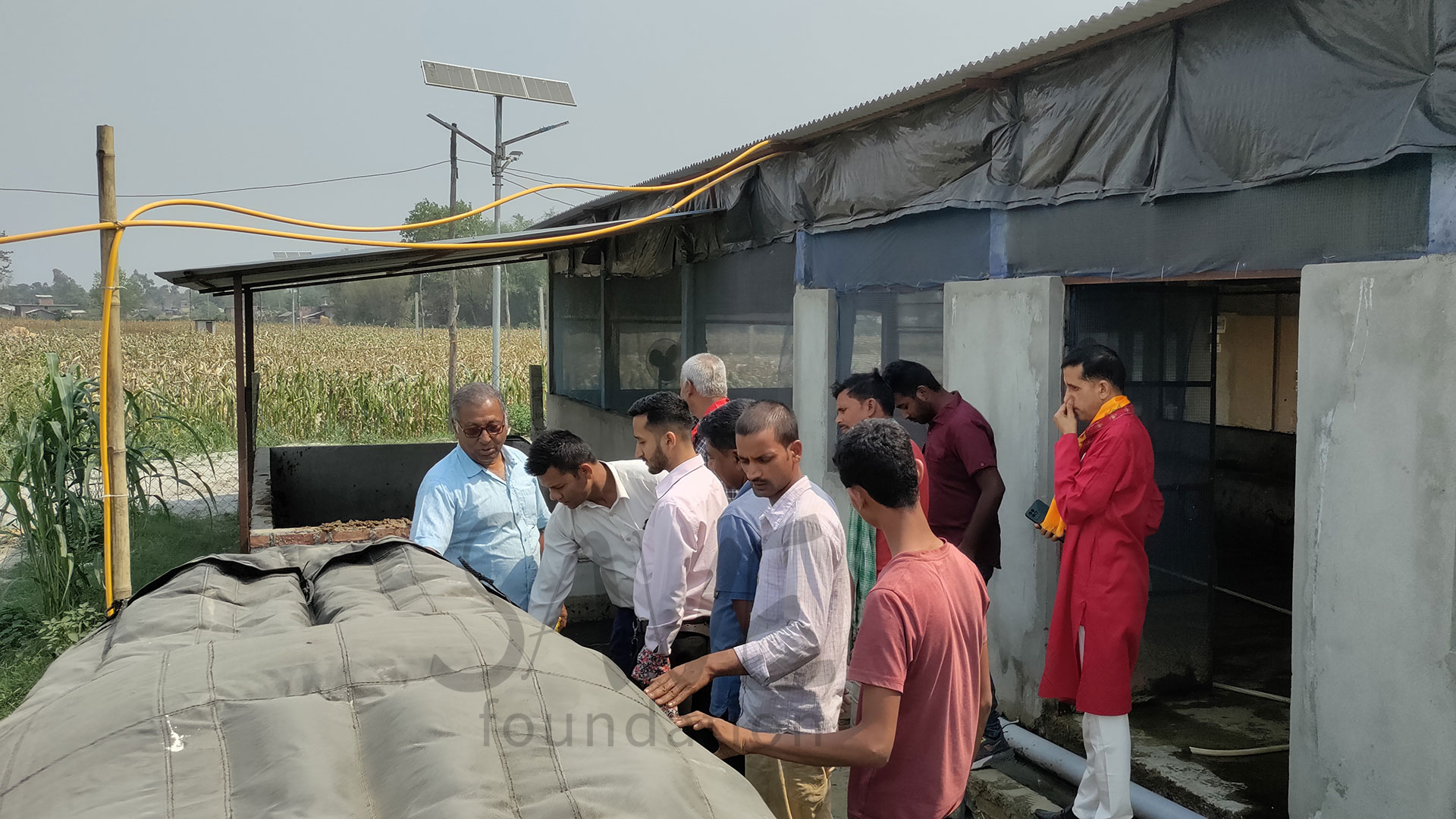
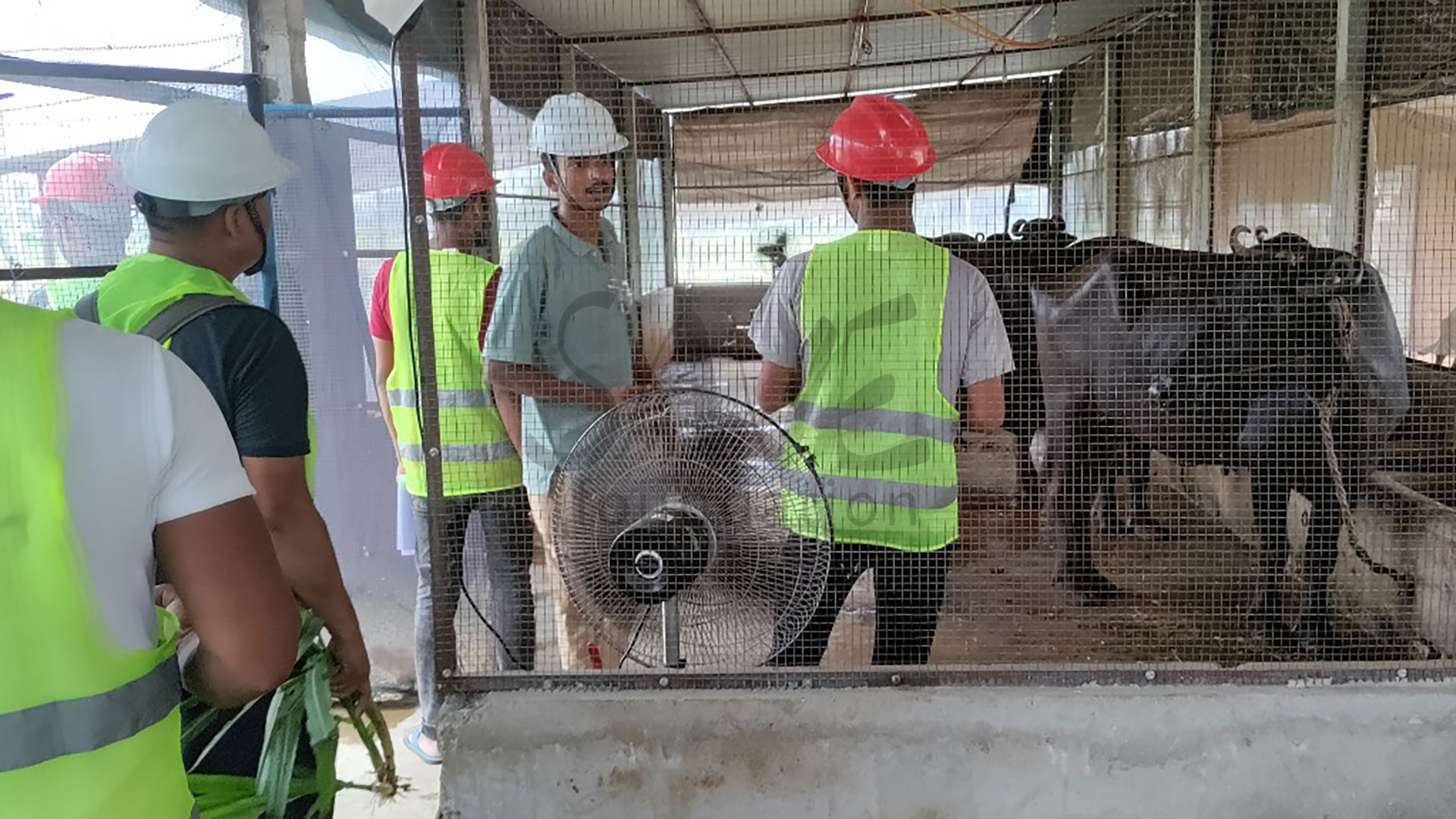
Costs were kept low by use of biodigester to manage waste from livestock and the farm. Besides biofertilizer, it also produced biogas. This reduced reliance on expensive LPG. Solar lights were setup to reduce recurring electricity costs.
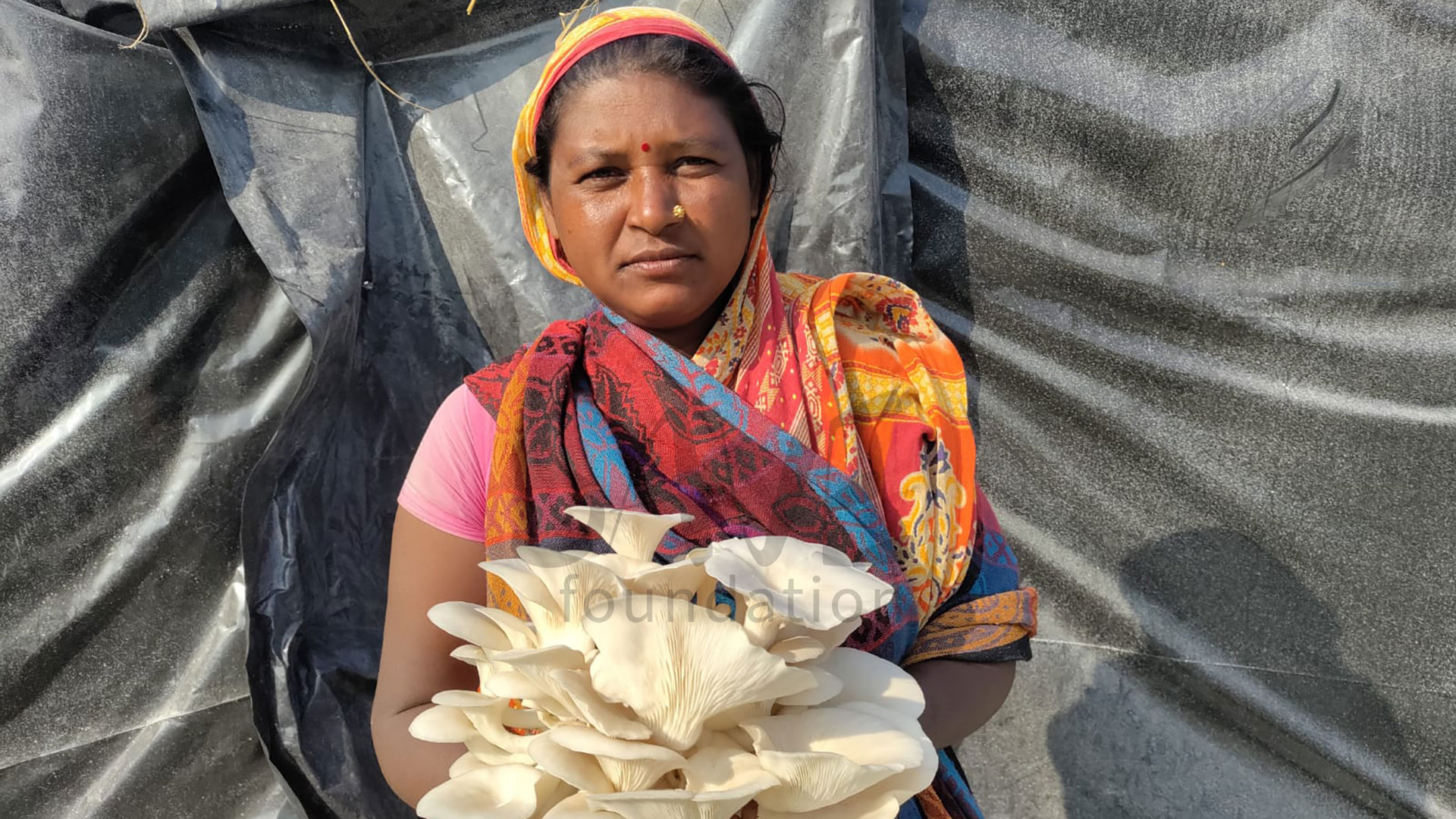
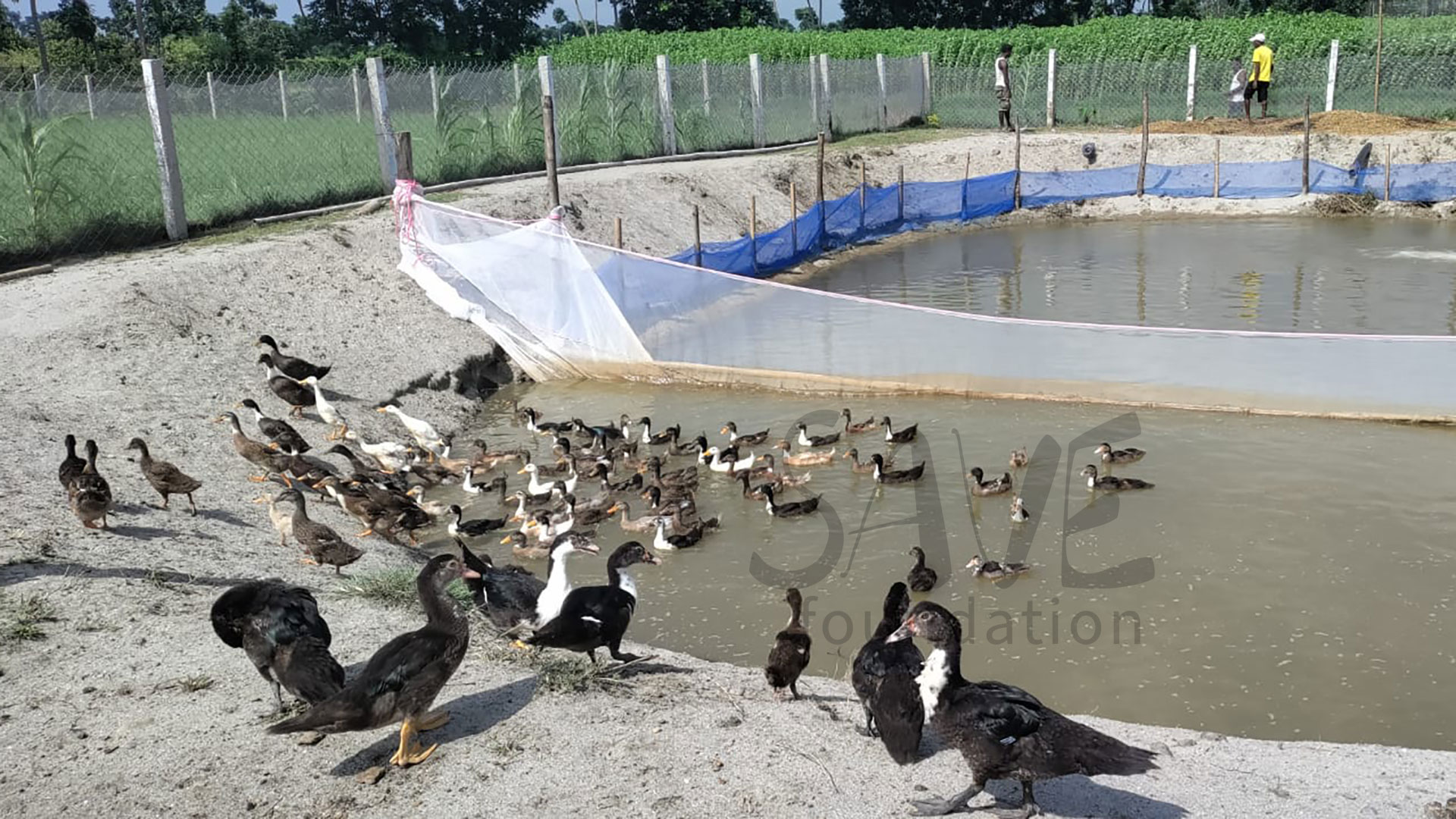
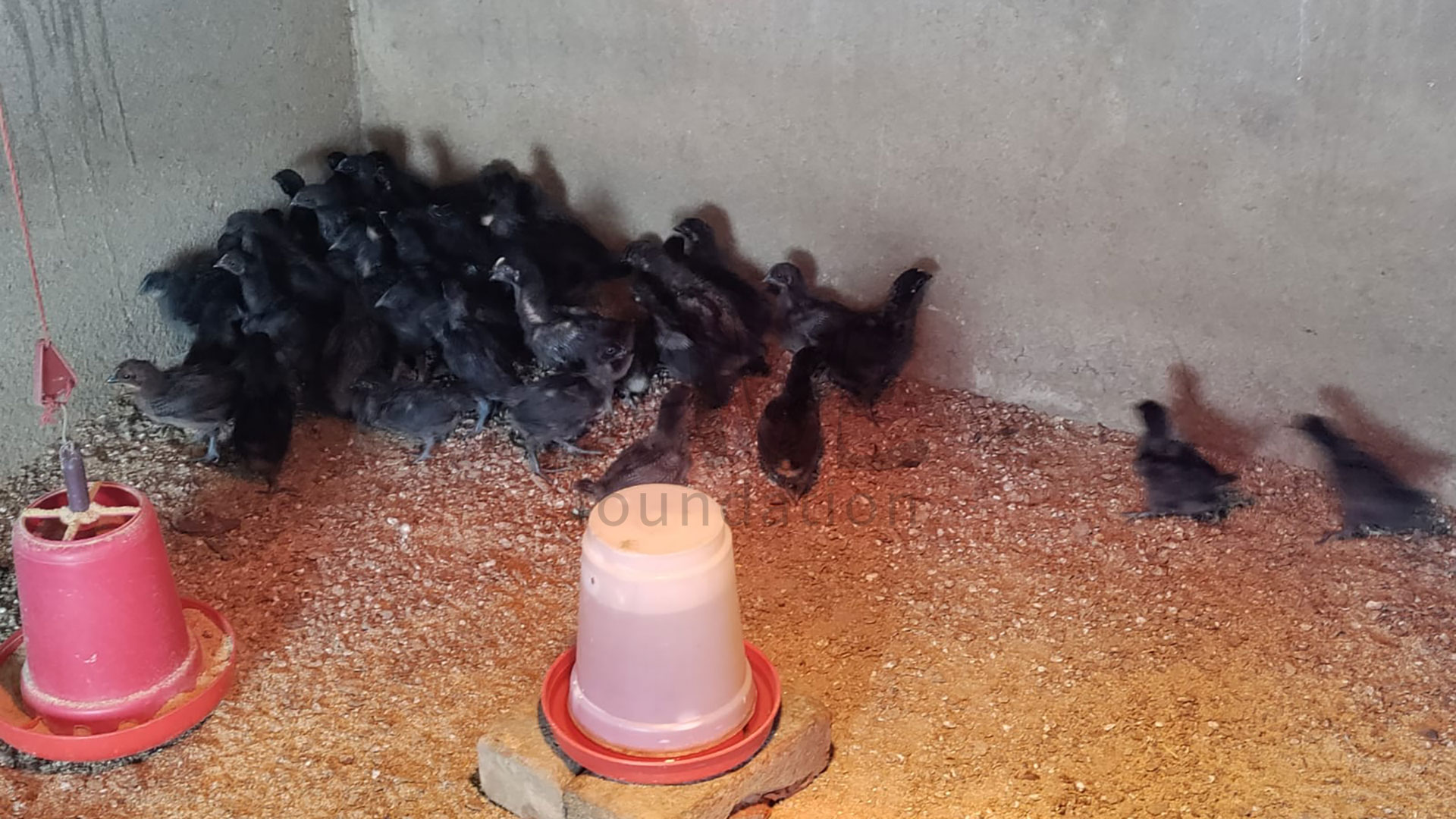
Multiple revenue streams — including crops, milk, meat, fish and jute — generated sufficient income to reinvest in the farm and distribute profits among the families.
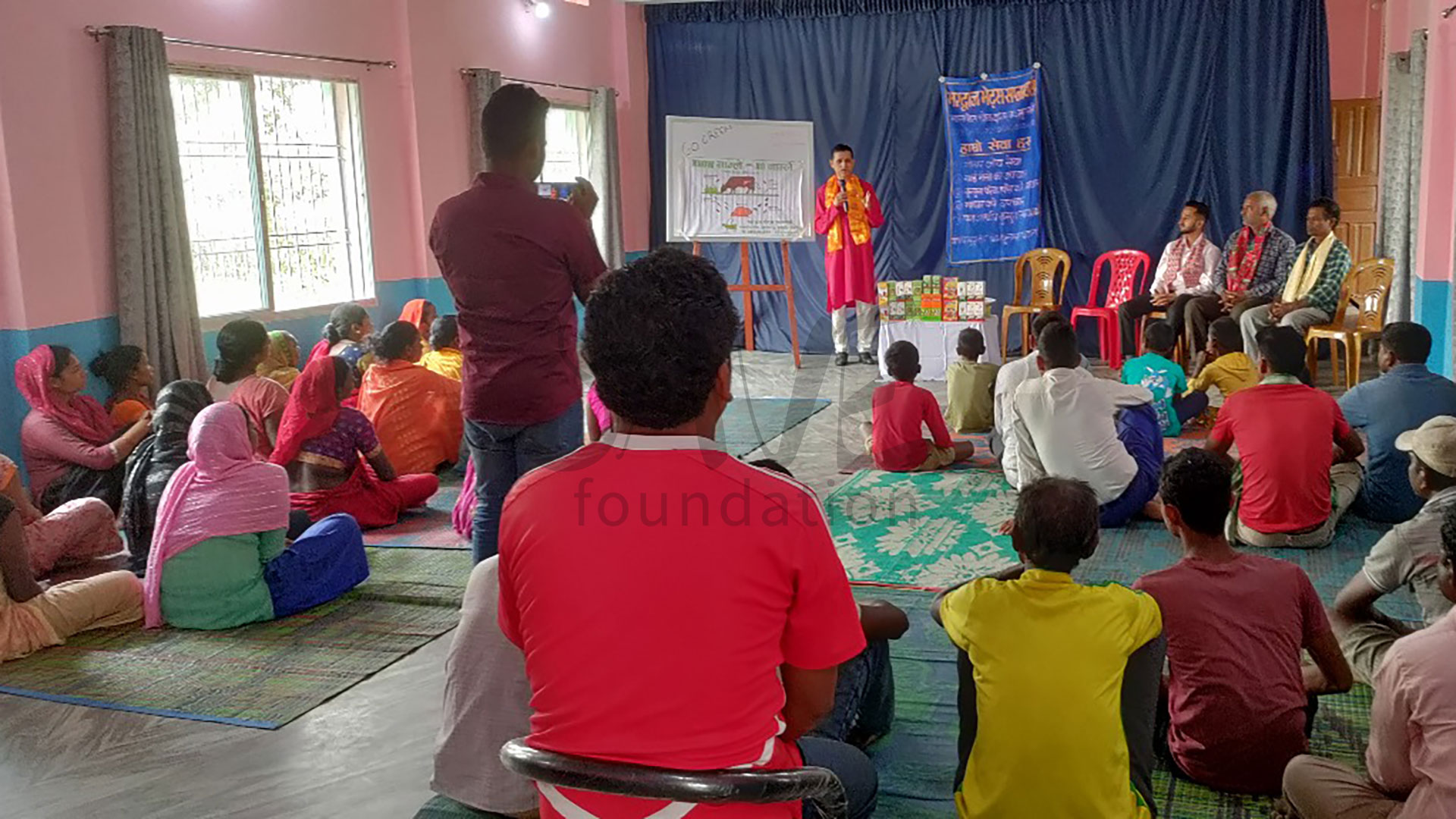
Building trust required patience and strong leadership. Over time, teamwork replaced skepticism, and consistent bumper harvests strengthened confidence.
Impact
The 3-year journey at Laukahi has rewritten the story of families long torn apart by migration. What started as a response to economic hardship has blossomed into a movement of hope, dignity, and togetherness.
Men Return Home & Families Reunited
Thanks to the Profit-Sharing Model, the most profound impact of this 3-yr project @Laukahi is that men who once migrated for work are now returning home. They earn just as much or even more at home. This project has rebuilt bonds once weakened by migration. Families live and work together again.
Flourishing Farm
The 12-acre farm thrives, producing steady income for the farm and the families. For the first time, many are saving money and planning ahead.
Children in School
As household income stabilizes, children no longer drop out of school. Education has become a doorway to opportunity, opening the path for the next generation to take it to the next level.
In Laukahi, we planted HOPE and harvested CHANGE. This was possible thanks to local Leadership that was committed to empowering the rural communities. Through innovative farming practices and sustainable solutions, our local Partner was able to reverse Migration and reunite families.
Empowering Slum Dwellers
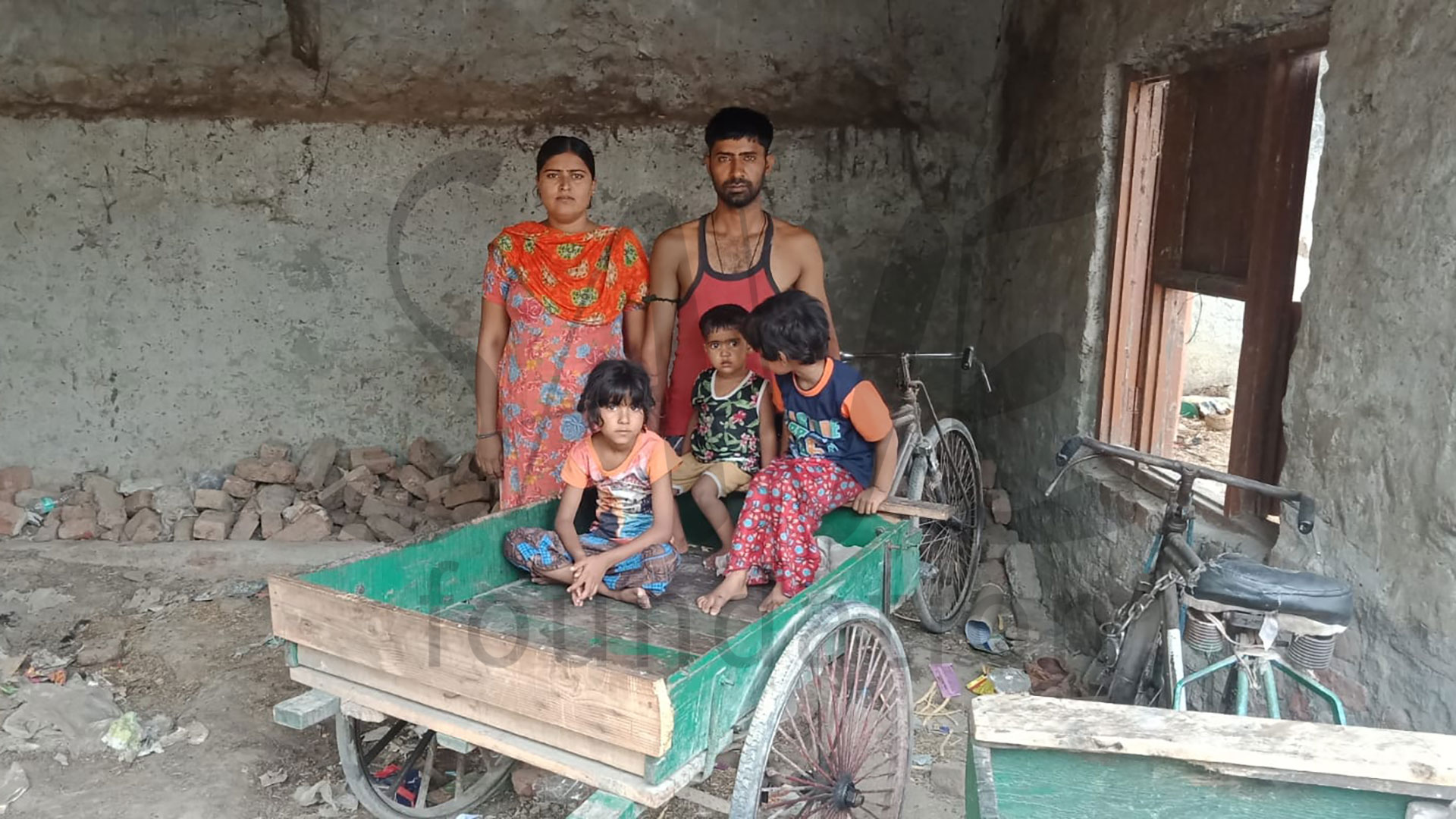
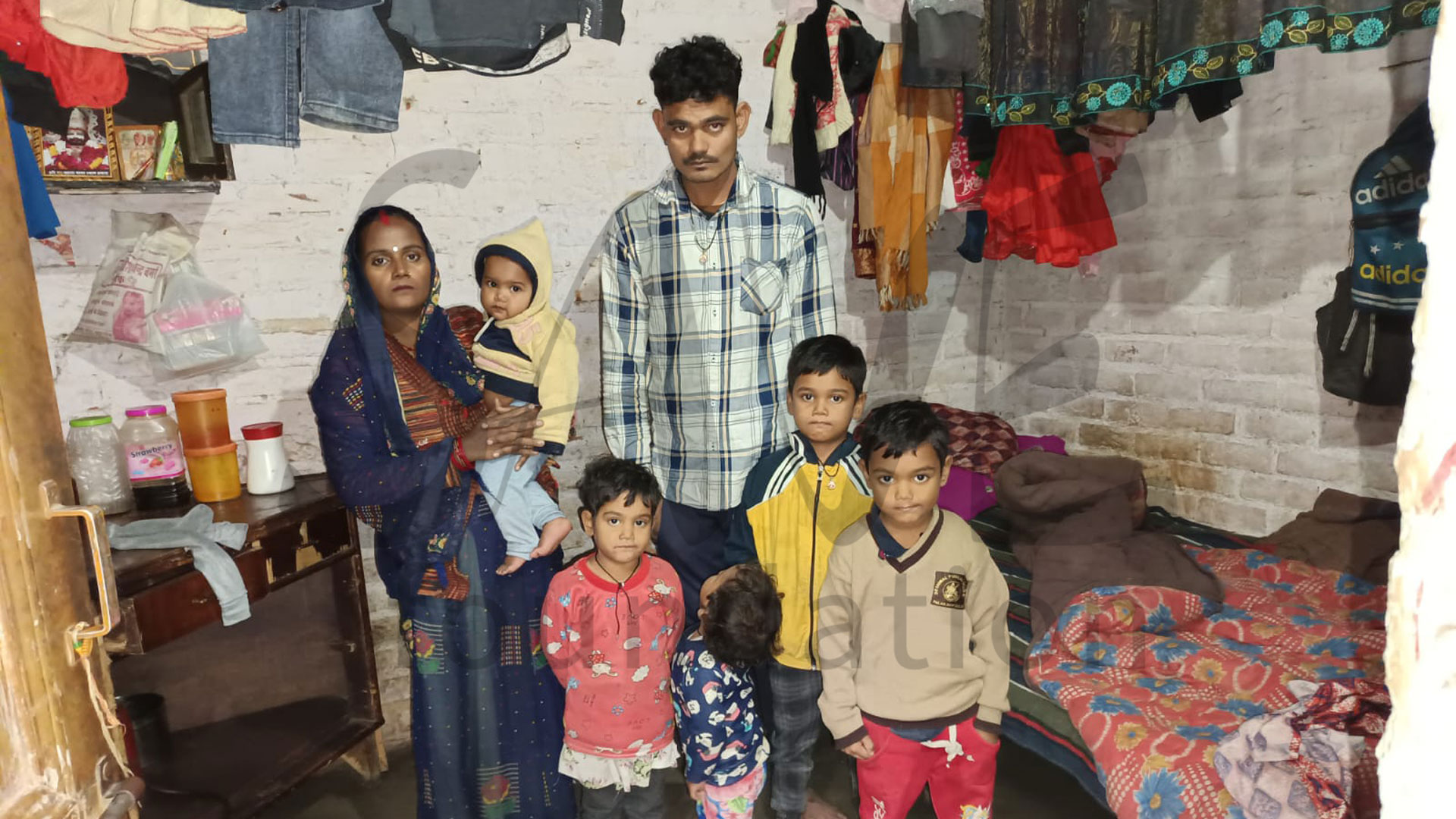
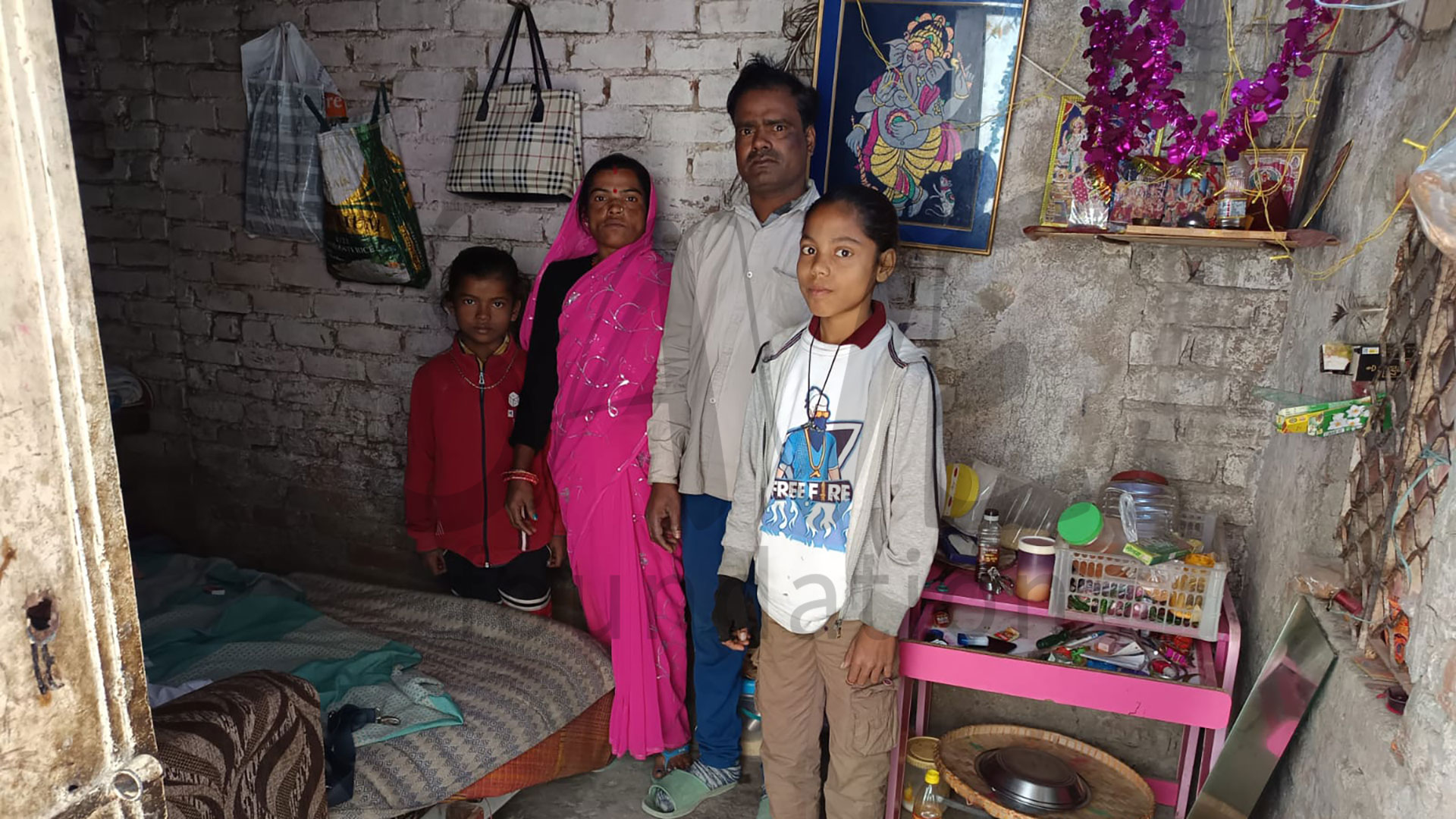
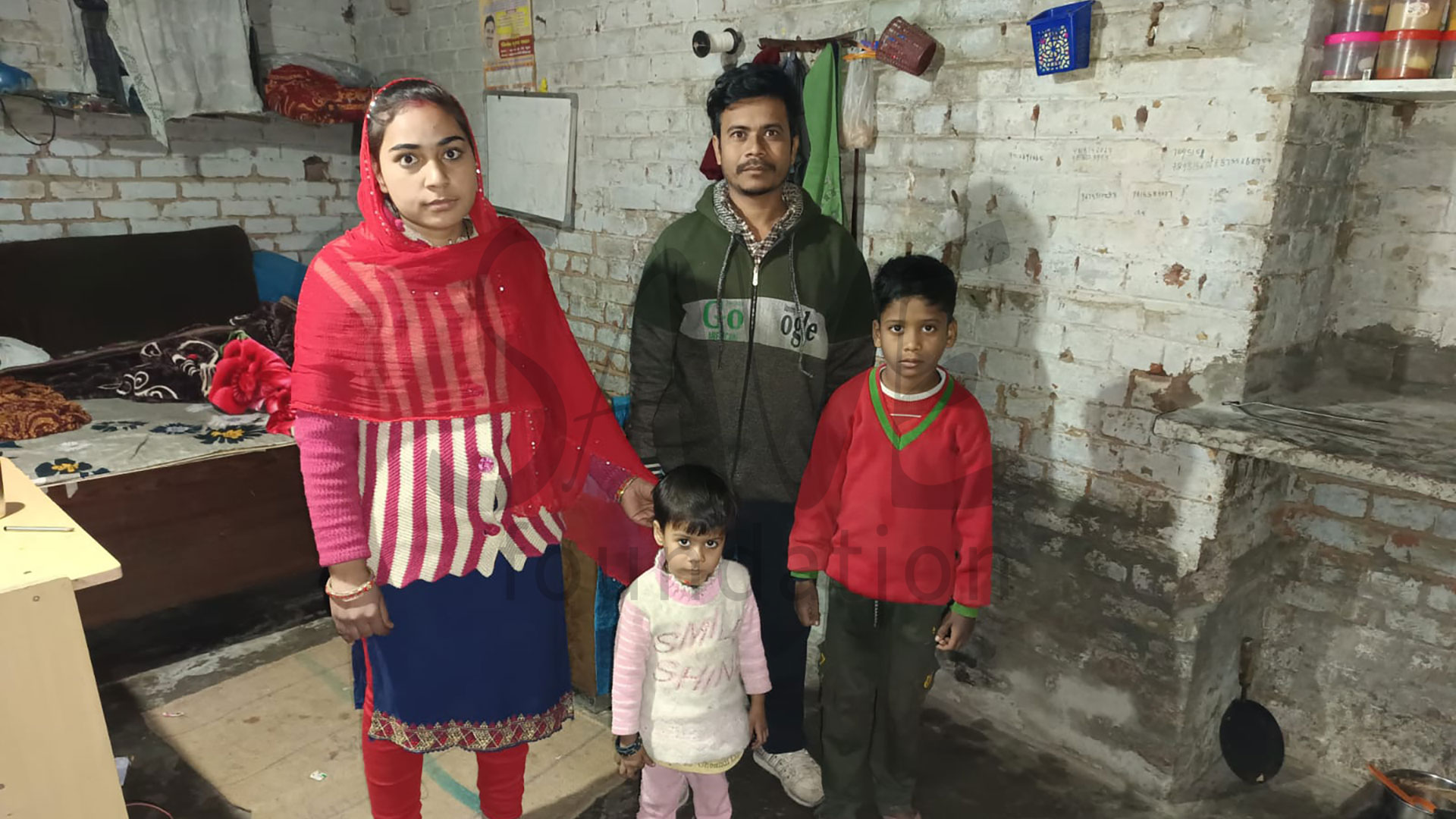
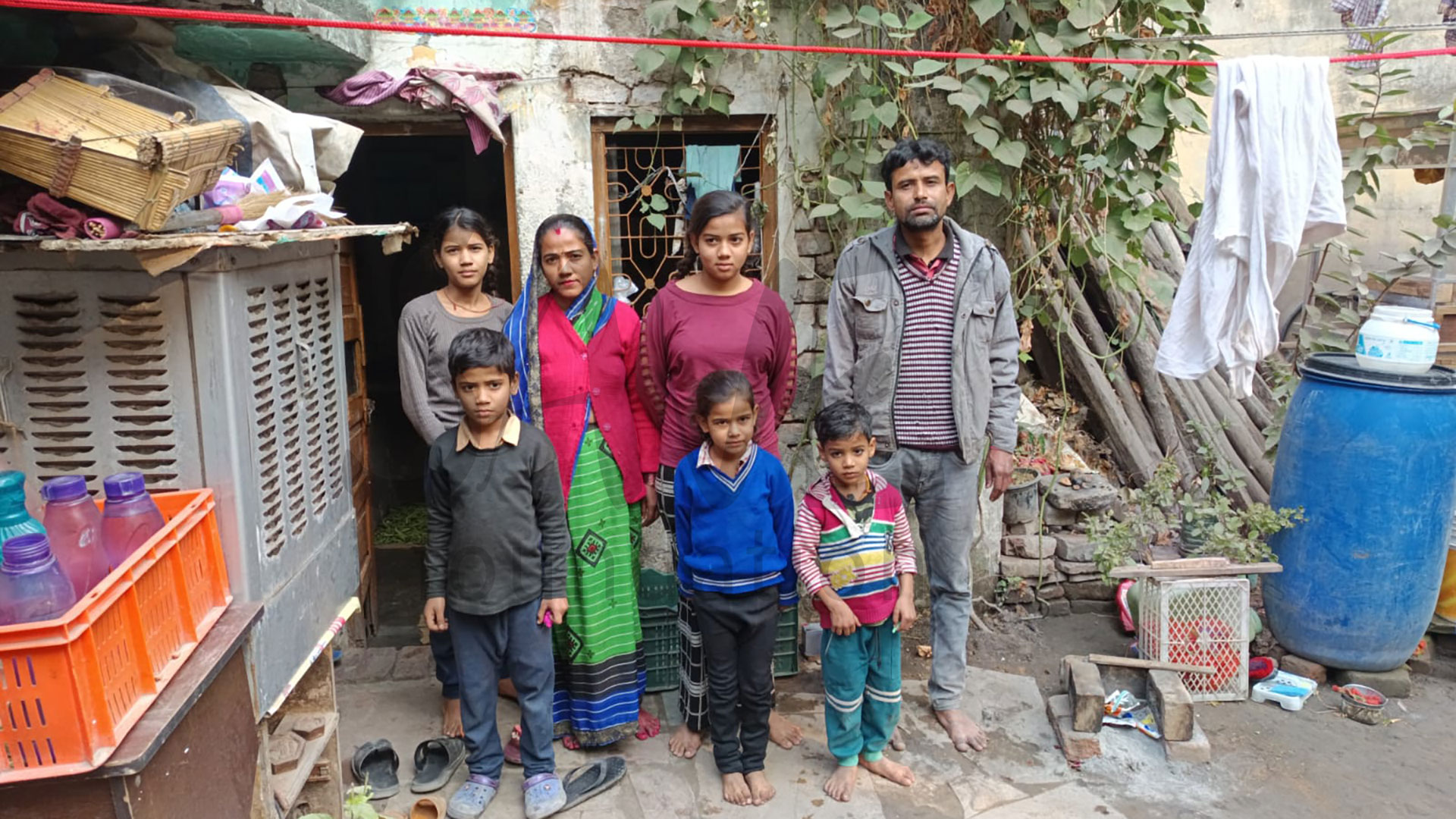
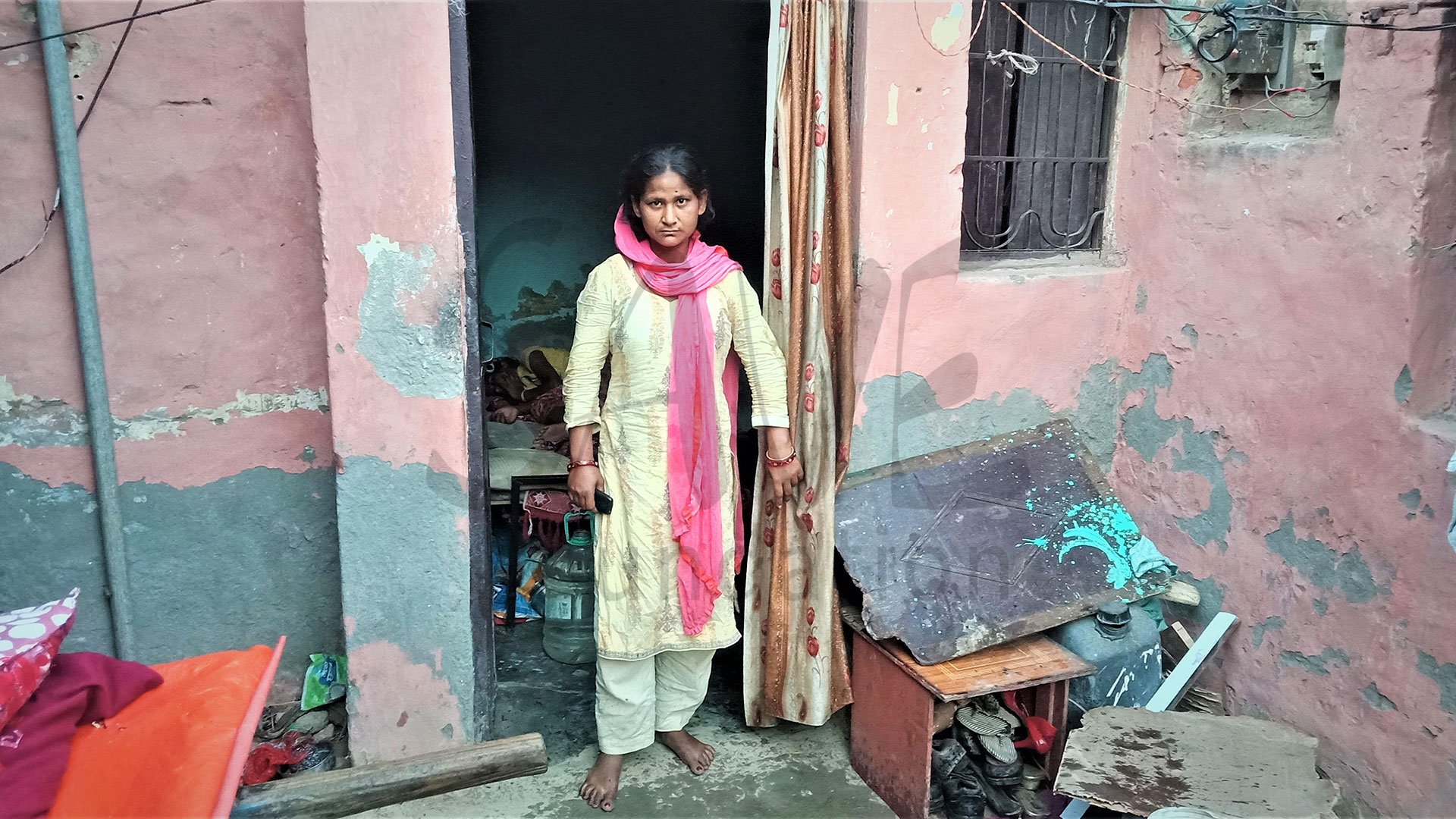
In the summer of 2020, millions of migrant workers fled cities like New Delhi after India’s nationwide lockdown, leaving many families stranded in slums without income or support. Poverty deepened, and some parents went hungry just to keep their children in school.
During this chaos, our local Partner requested scholarships to support education of the children in slums. SAVE Foundation saw a deeper need. Instead of temporary aid, the focus shifted to helping families increase their income — so they could proudly educate their own children and rebuild their lives with dignity.
Intervention
To help families move from Relief to Resilience, SAVE Foundation and its local Partner developed a two-fold strategy: 1) strengthening parents’ ability to earn and save; and 2) ensuring children remain in school.
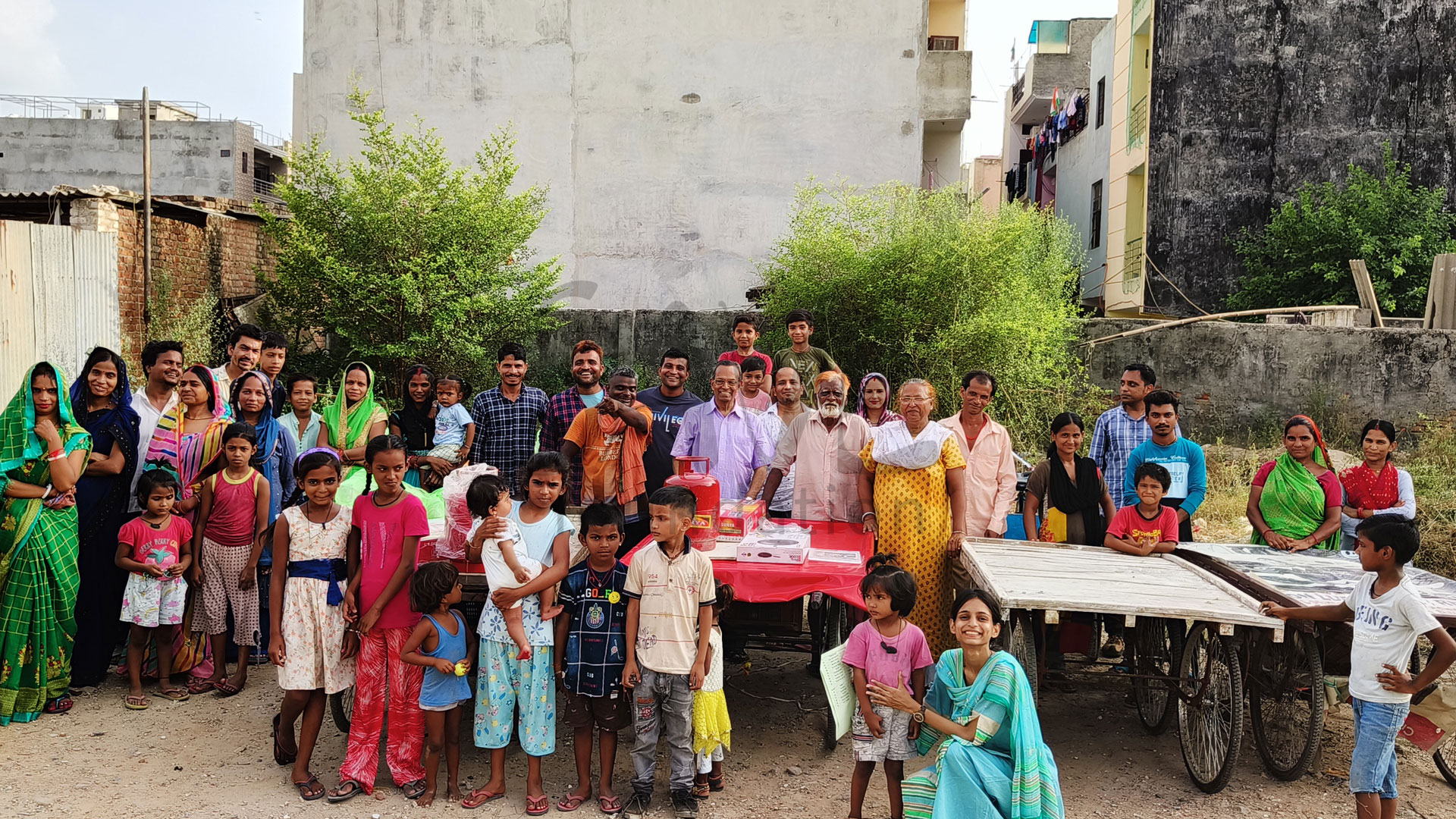
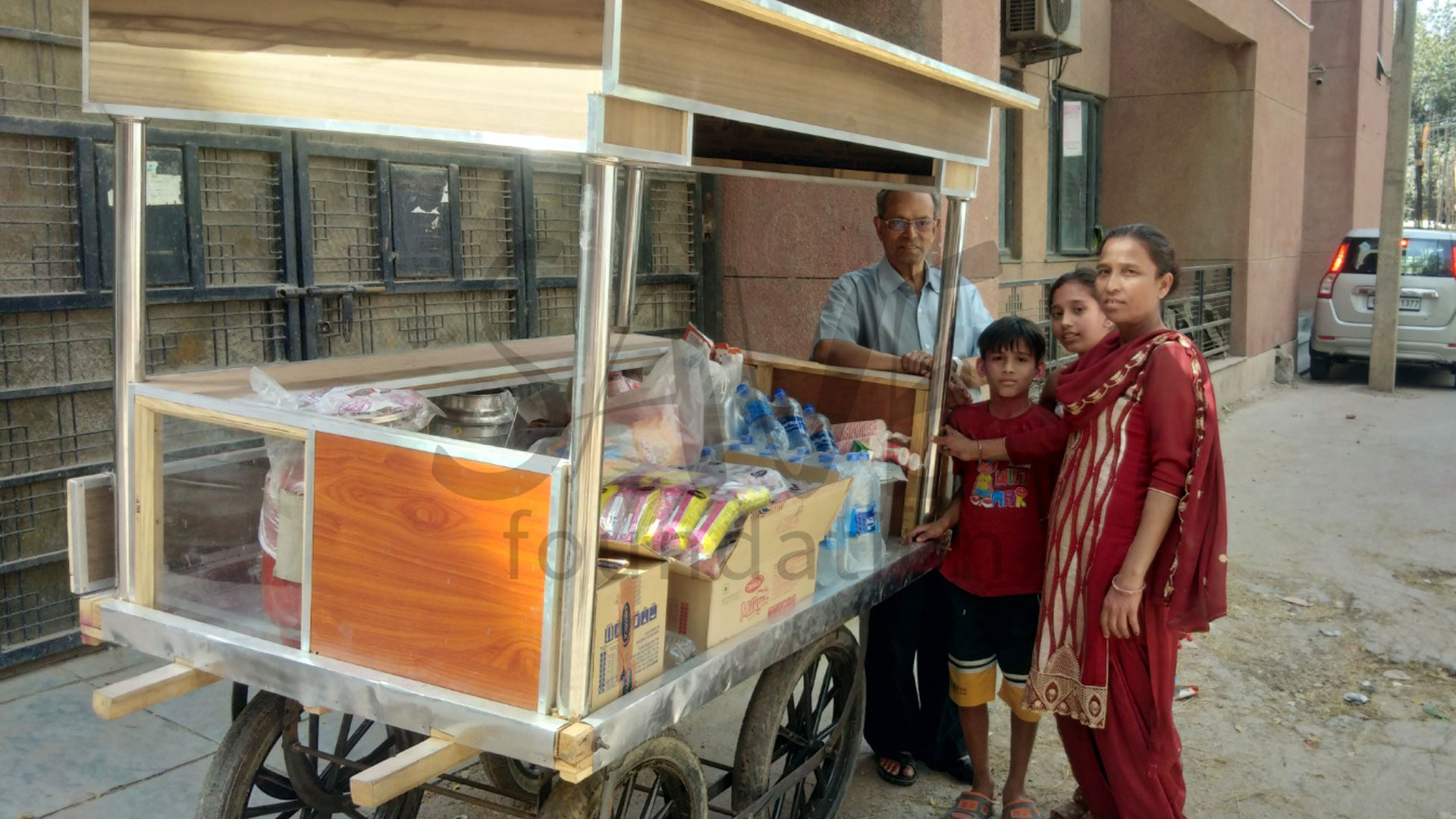
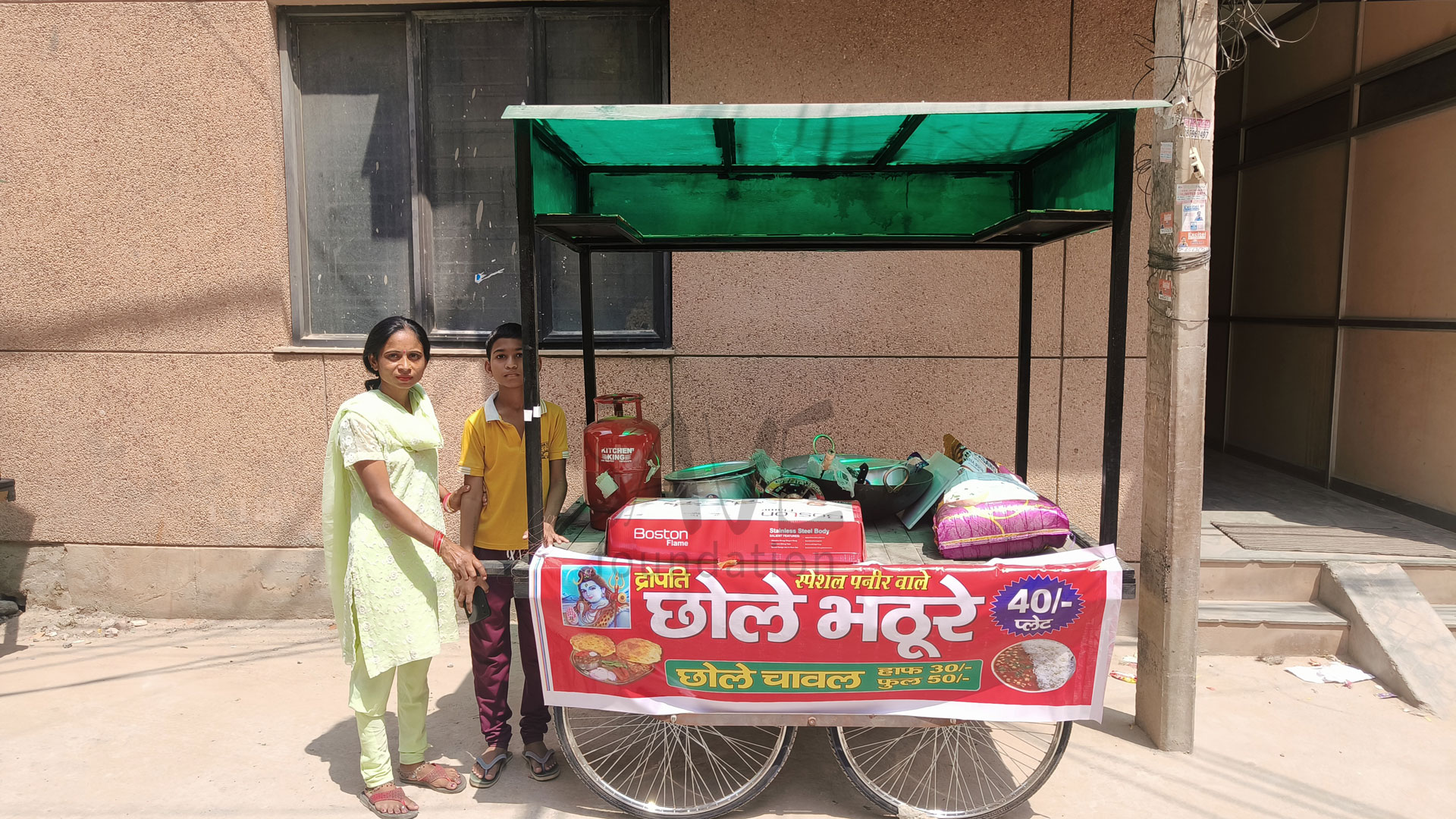
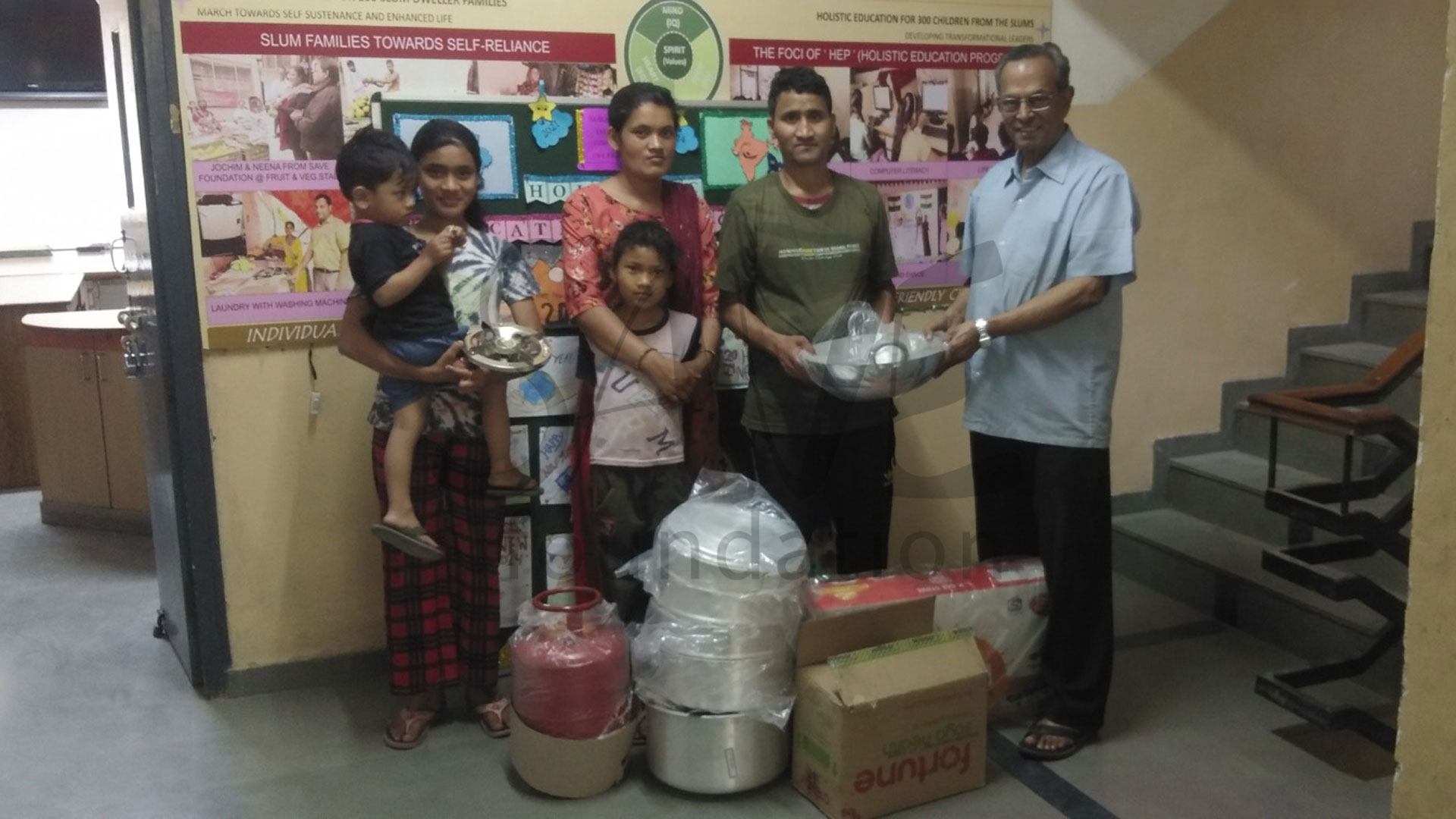
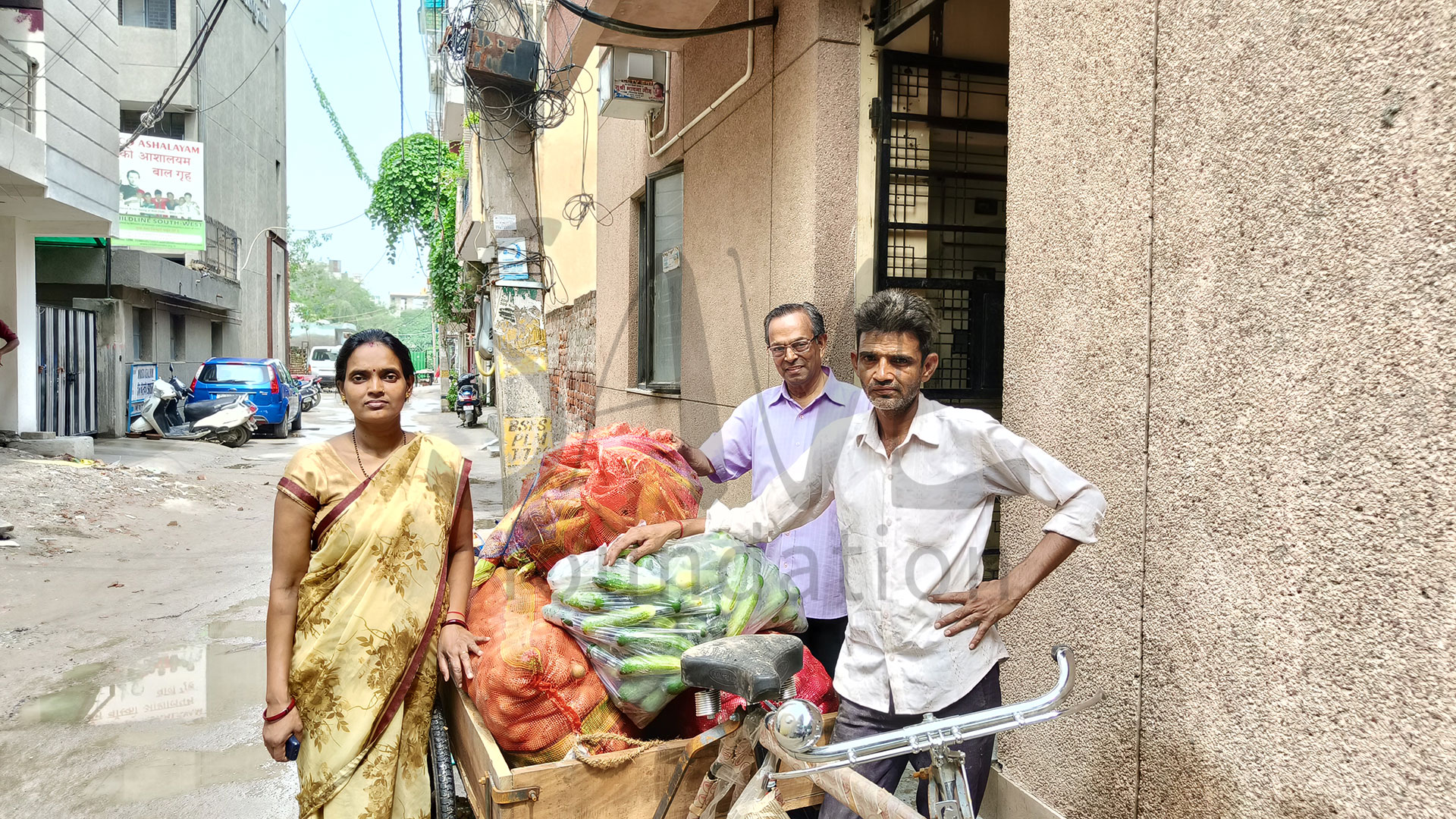
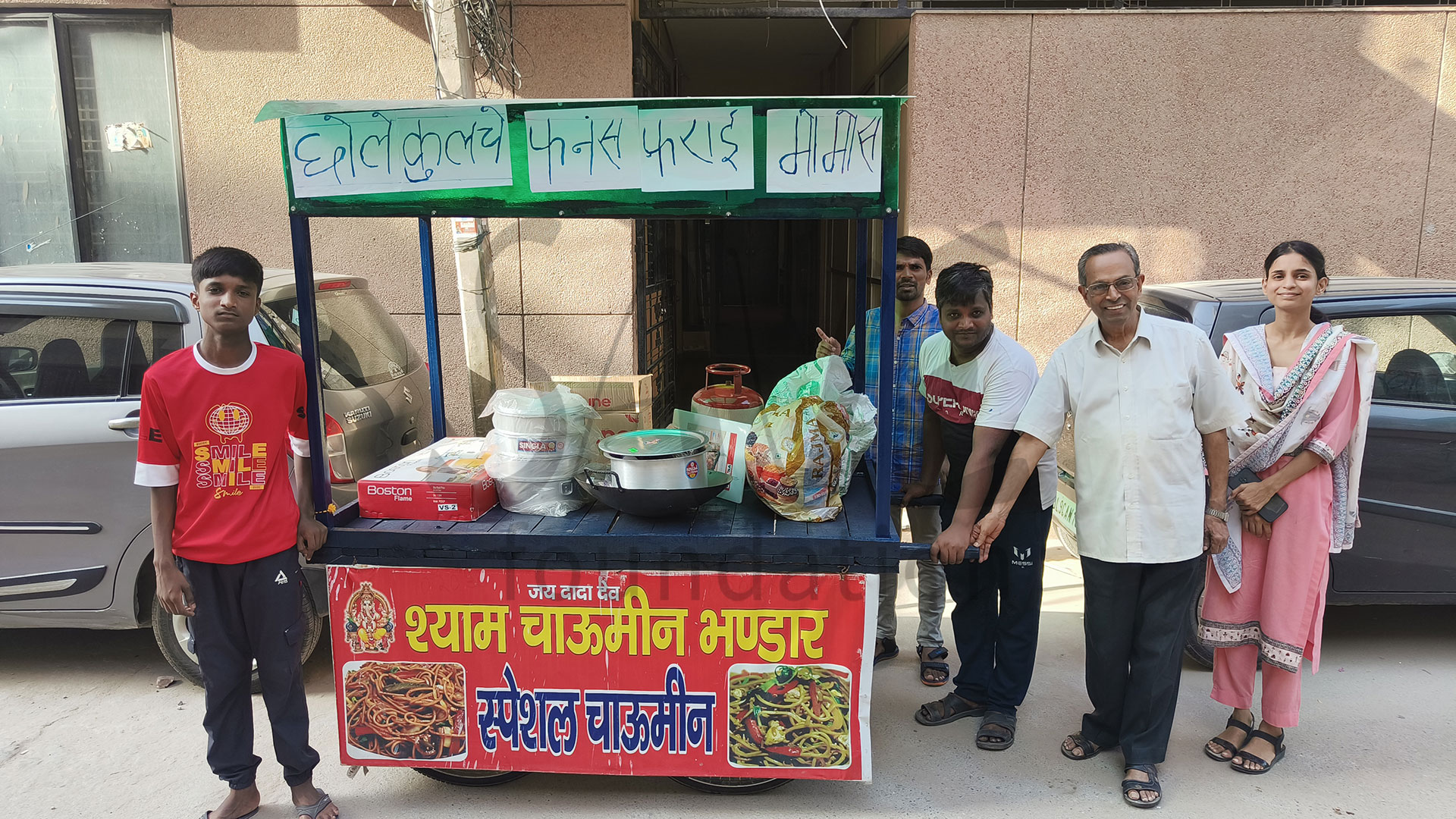
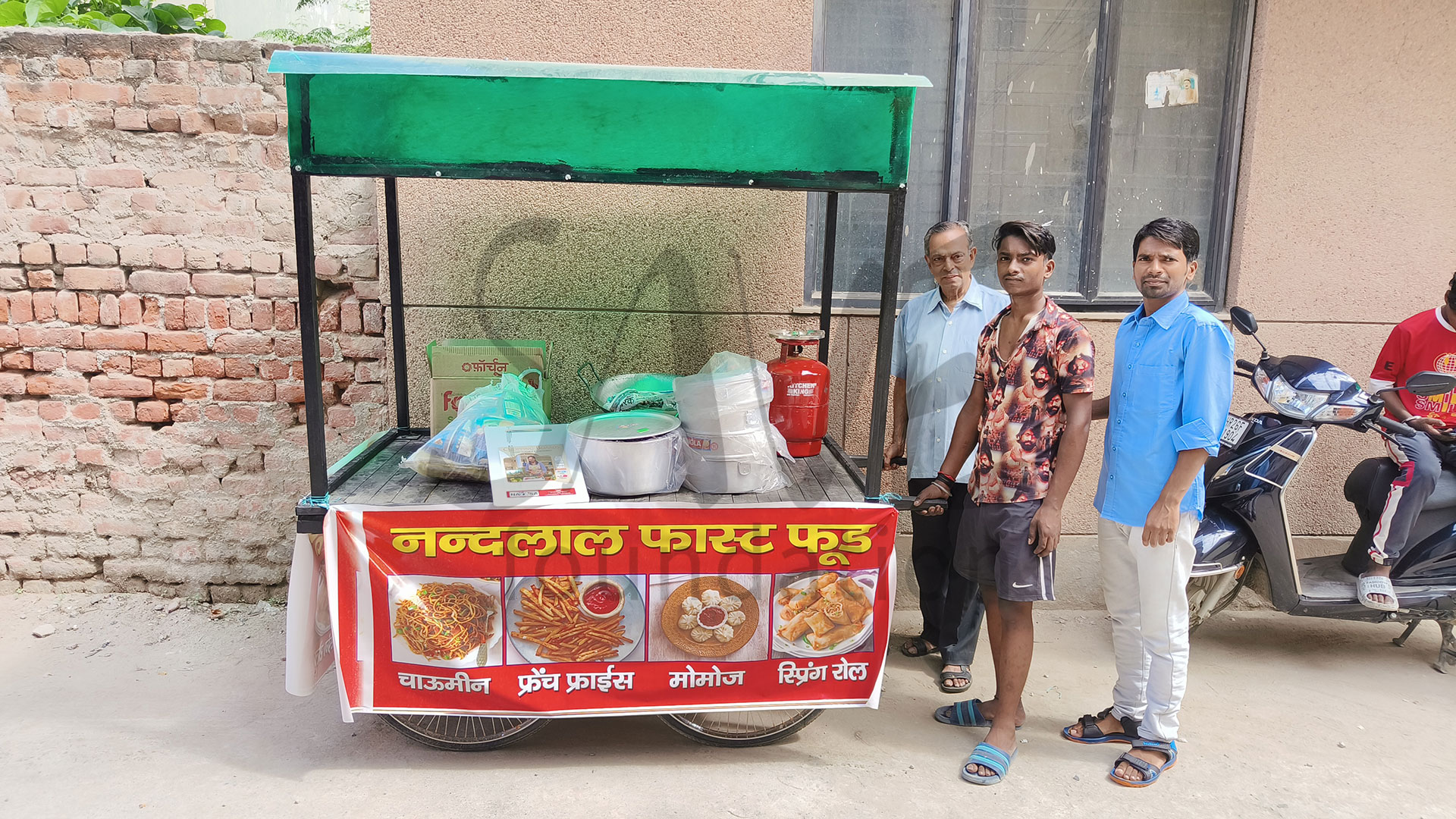
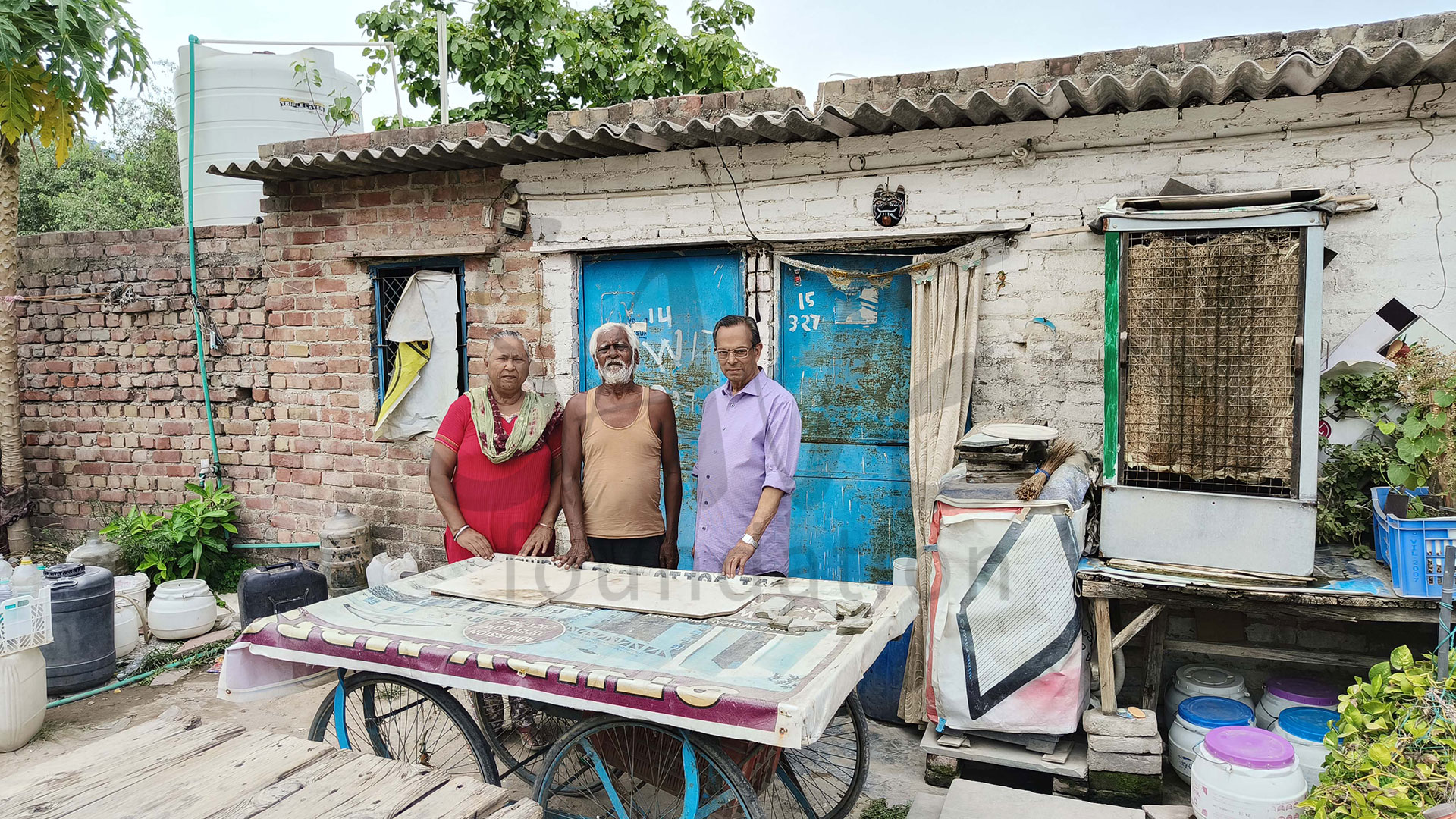
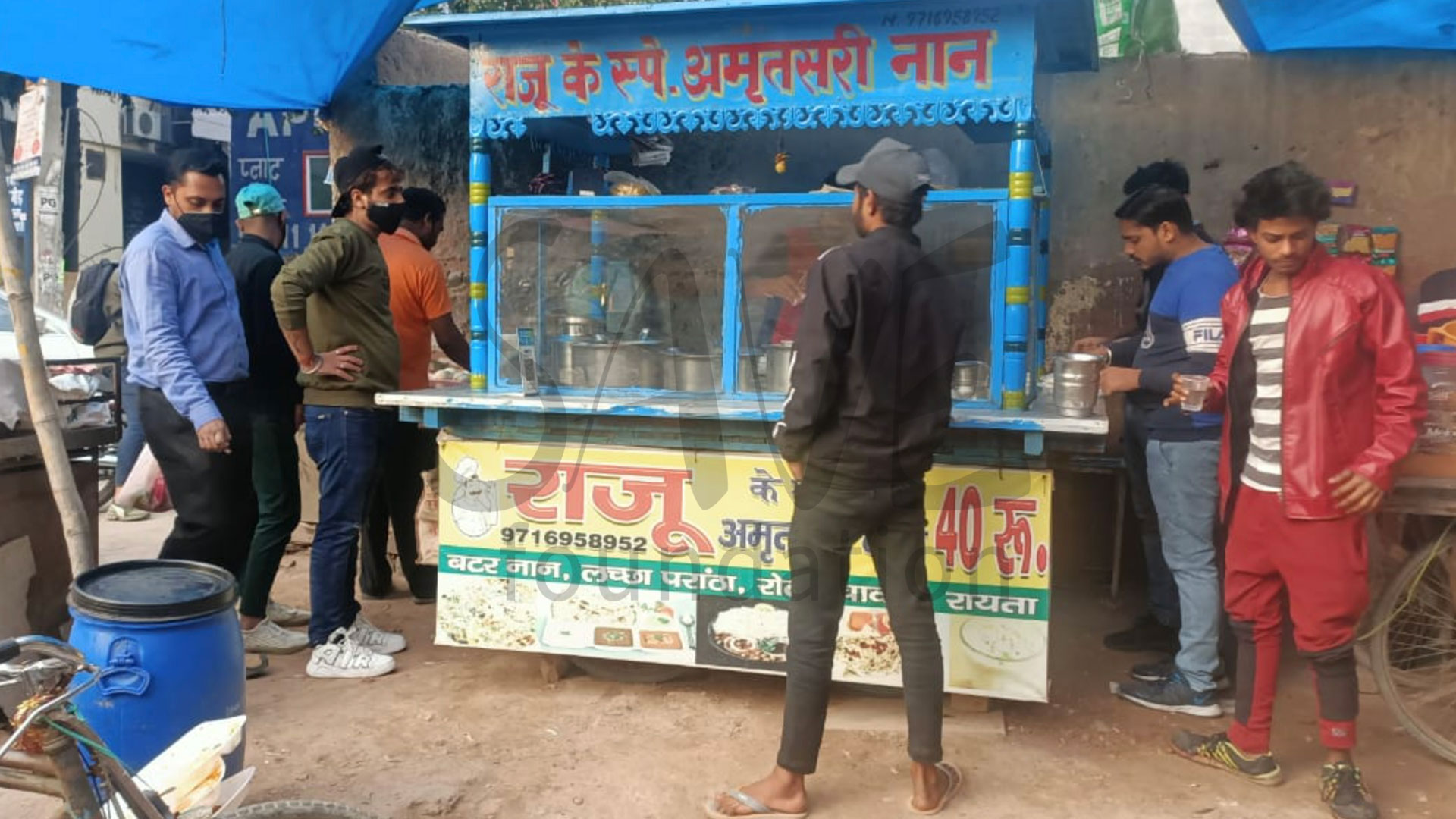
Strengthening Family Income: The most vulnerable families — especially those whose children had dropped out or were at risk — received support and guidance to start small businesses such as selling fruits, vegetables, or snacks using pushcarts.
Beyond start-up support, families received practical guidance in financial planning — understanding costs, tracking expenses, improving profits, and making smarter business decisions. Ongoing mentoring ensured steady growth.
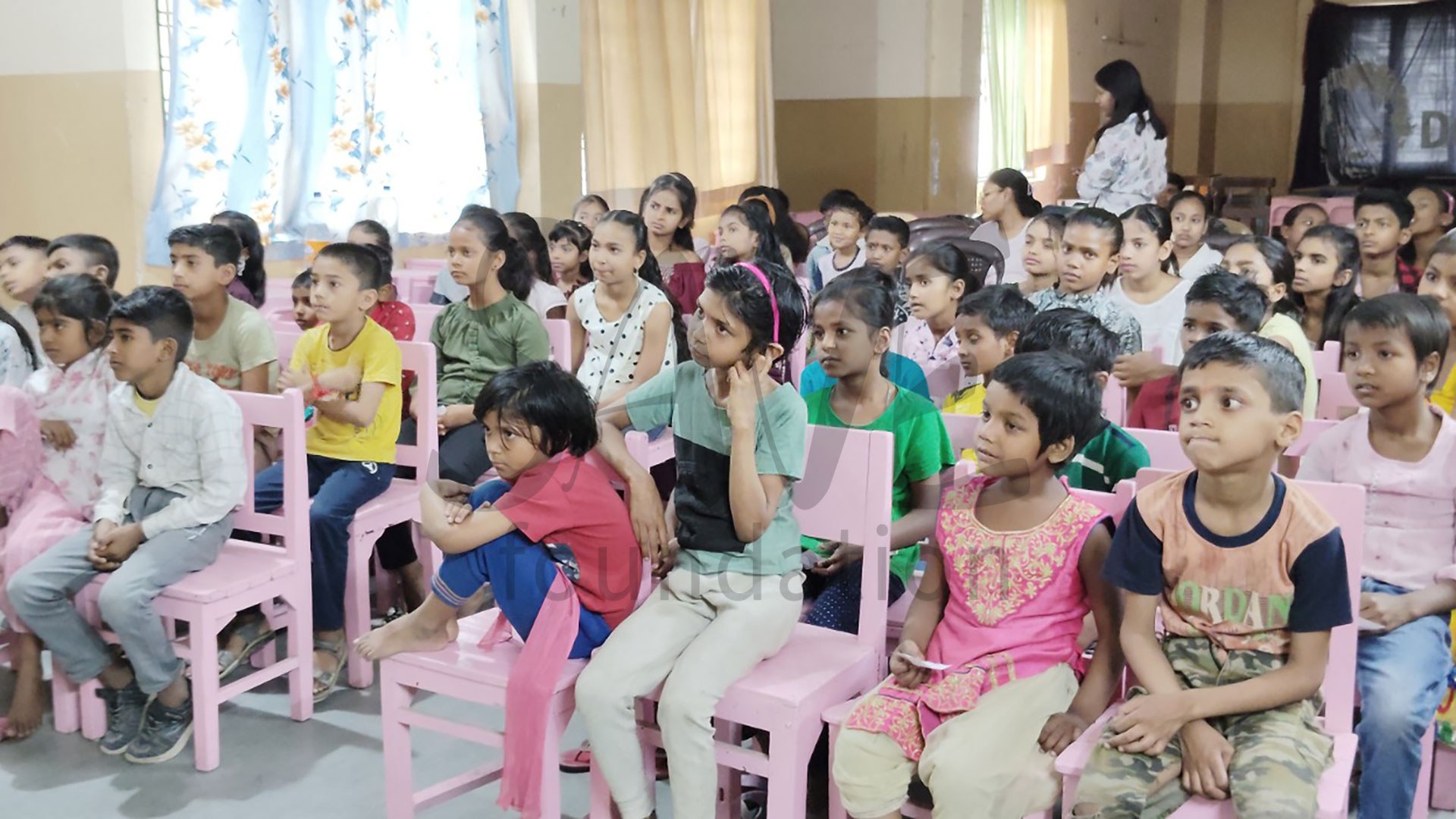
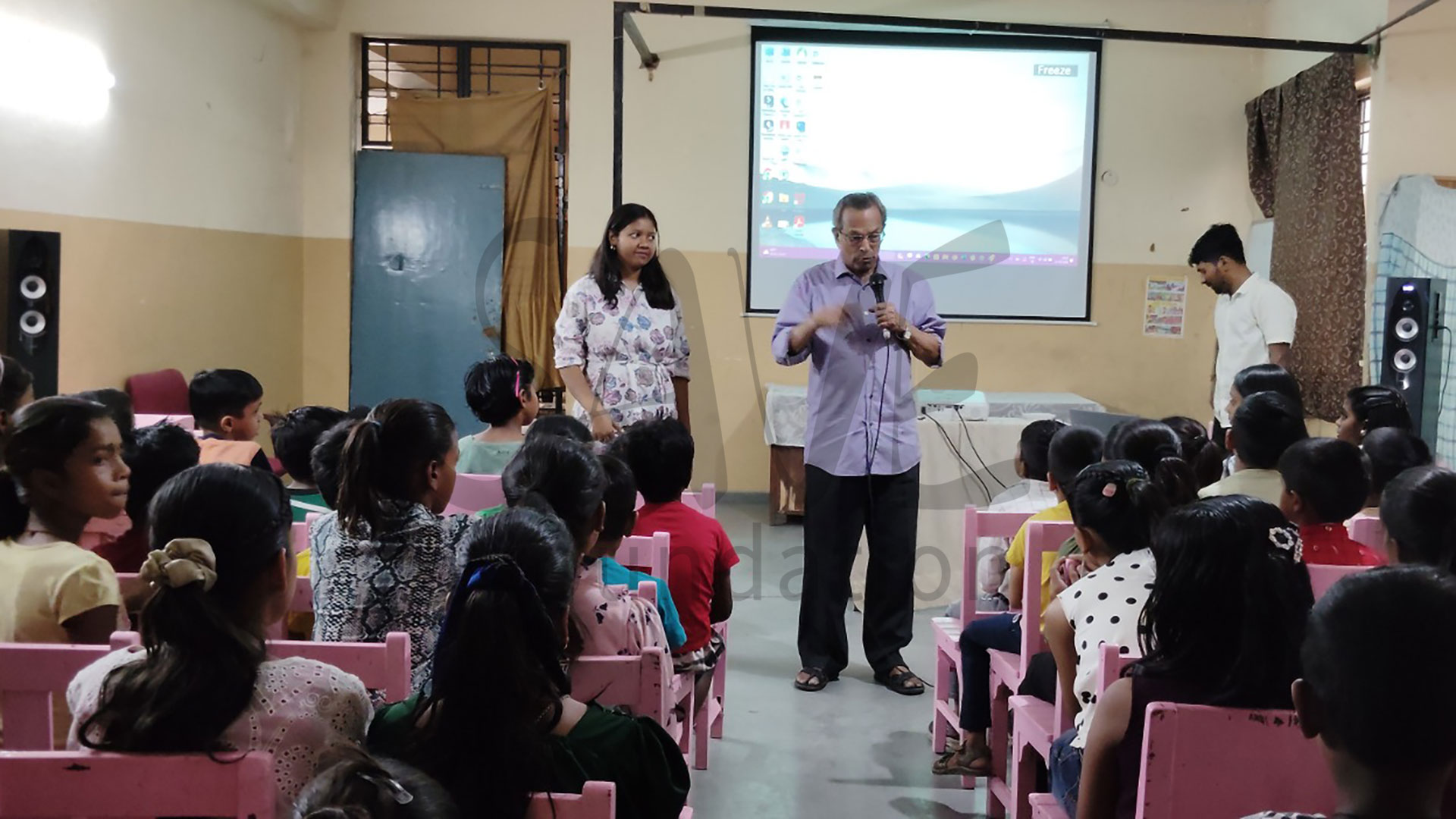
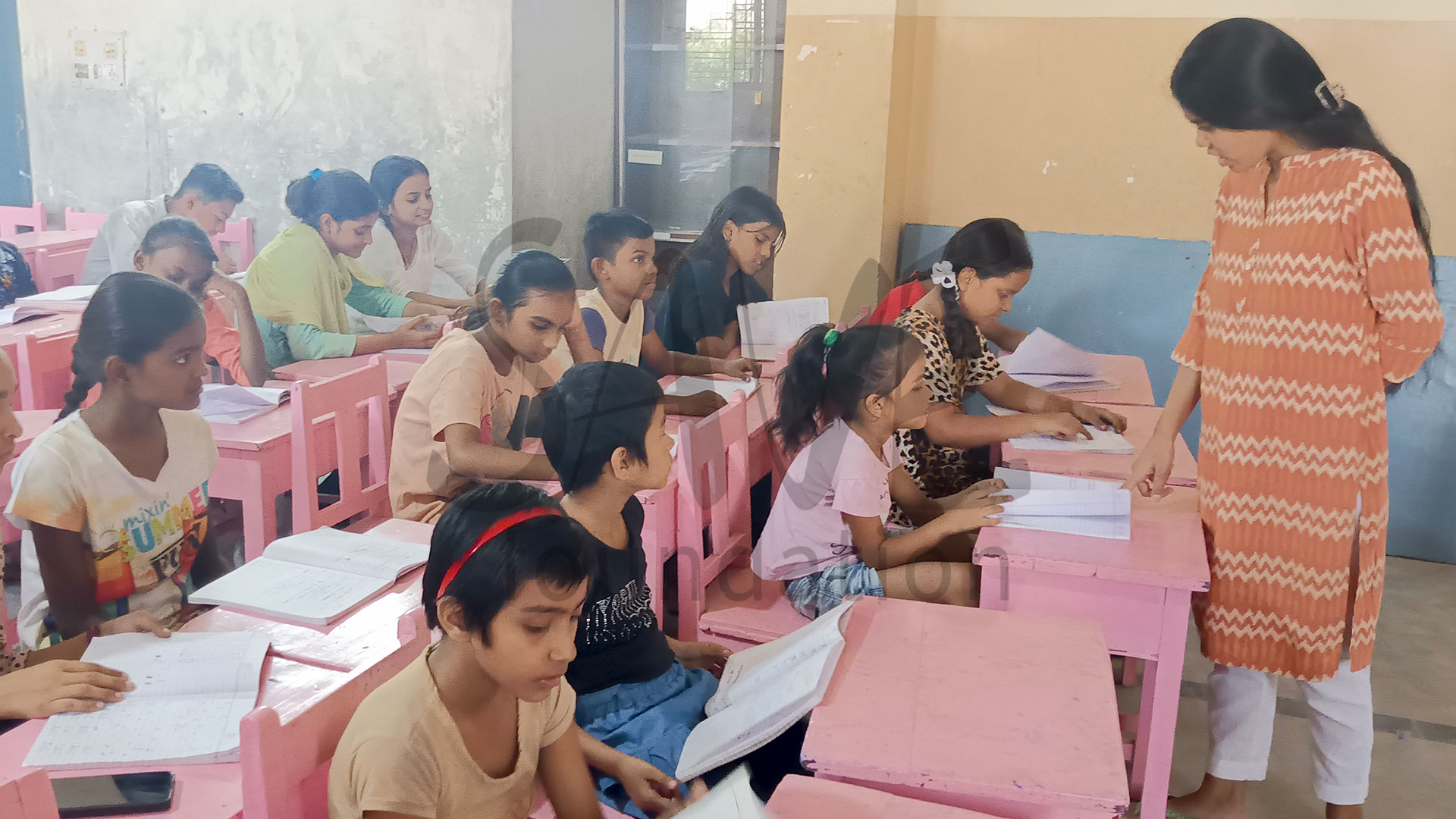
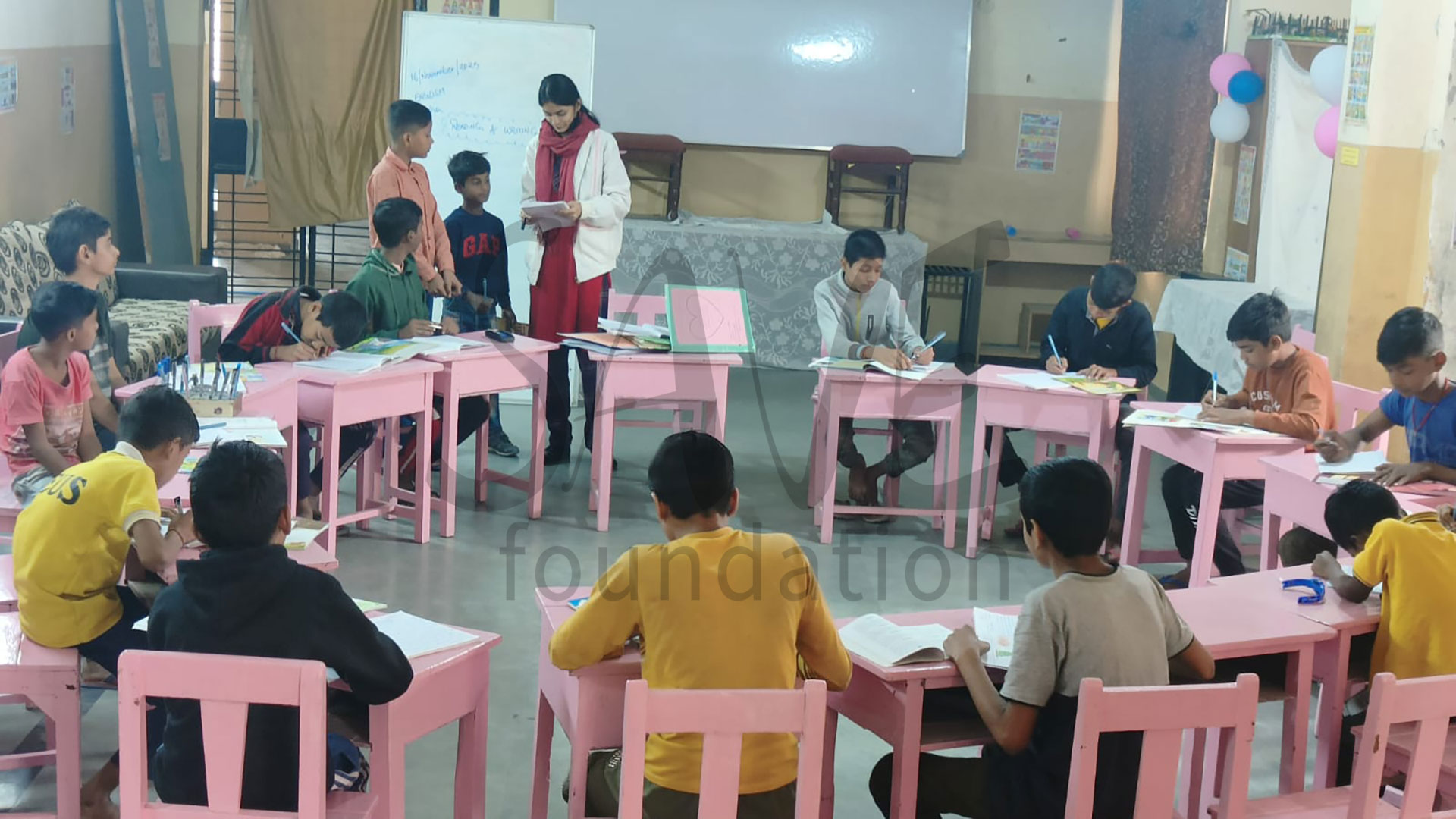
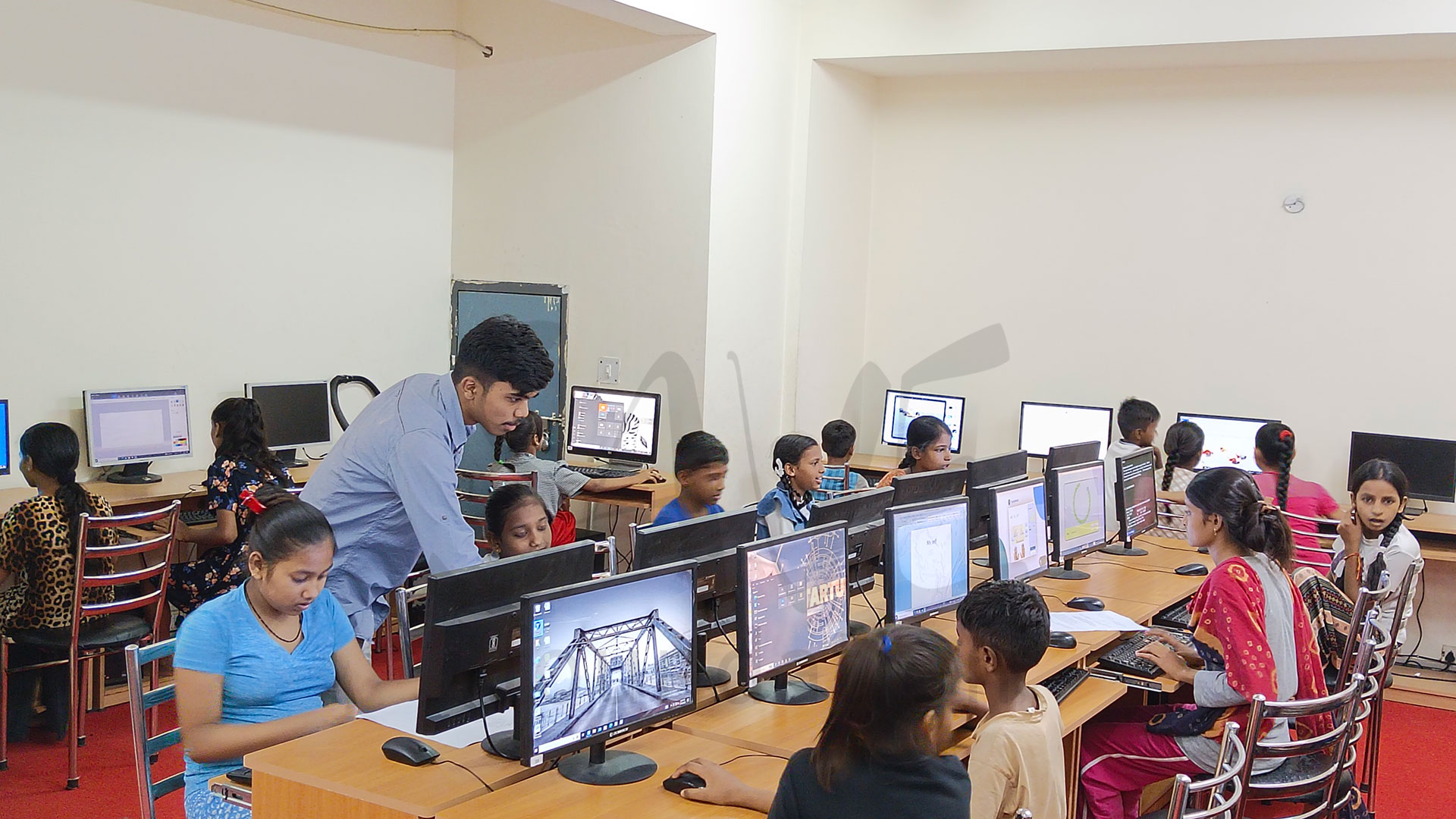
Holistic Education: Academic support was initially provided to children from beneficiary families, then expanded to include more children from the slum community. Bridge classes helped school dropouts reintegrate, while tutoring strengthened core subjects. Computer training, life-skills sessions, and awareness of child rights built confidence and leadership.
Impact
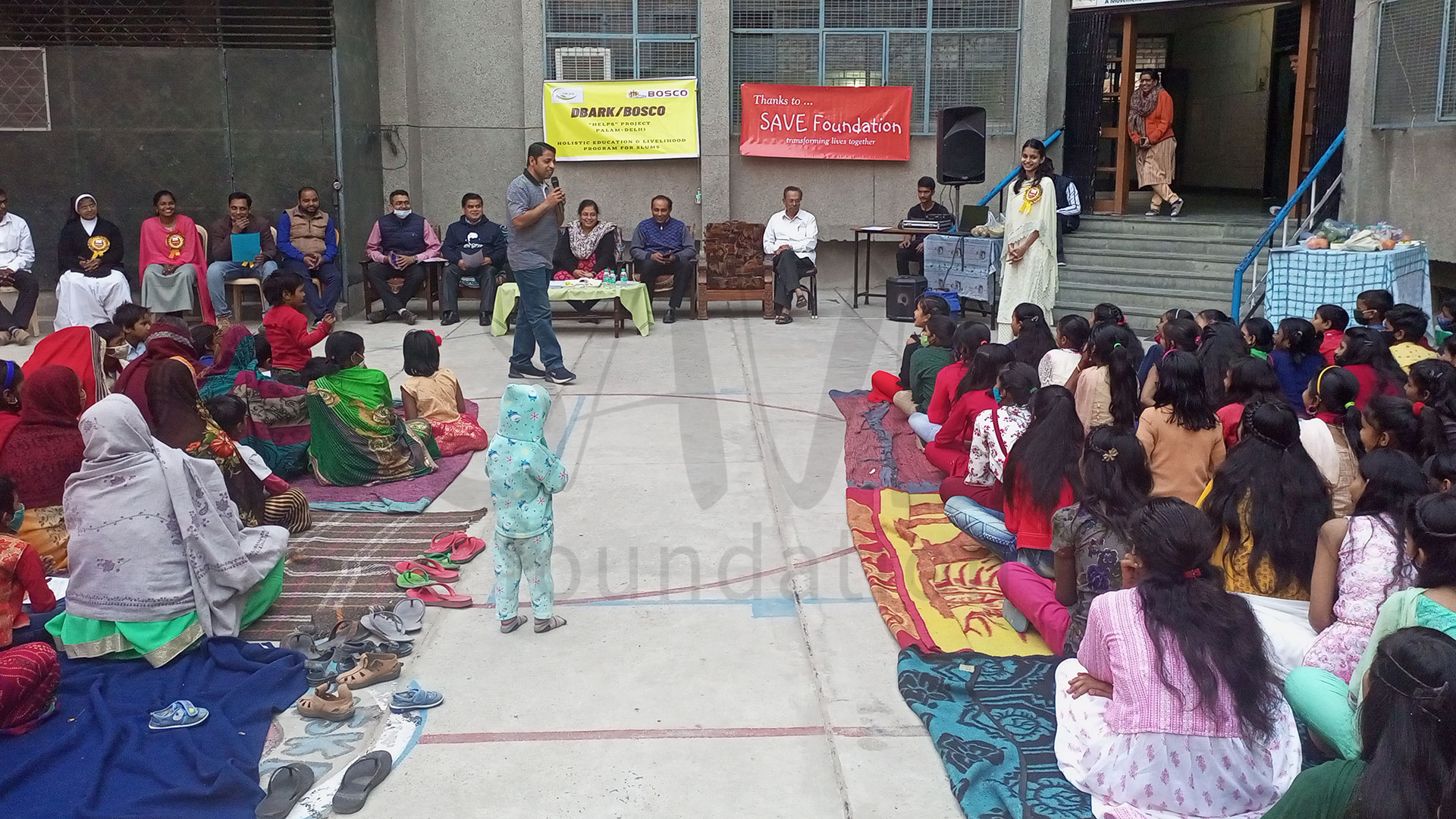
The Holistic Education & Livelihood Program has brought lasting change to families living in the slums of New Delhi. What began as a response to crisis has evolved into a pathway out of poverty.
Increased Family Incomes
Over 70 families from the slums of Palam, New Delhi have doubled or even tripled their income — allowing children to return to school, improving living conditions, and restoring dignity. Families who once struggled for daily survival now run small businesses that provide stable and growing income. Many have even begun to save for the first time in their lives.
Children Back in School
With improved household income, children who had dropped out have returned to school. Education is no longer seen as a luxury, but as a real and achievable future. Today, more than 200 children continue to benefit — gaining not only education, but renewed hope and opportunity.
Restored Dignity and Confidence
Parents who once depended on relief now stand on their own feet. The ability to provide for their own families has restored their confidence, self-worth, and hope. Families are building resilience, avoiding debt traps, and creating better opportunities for the next generation. As families succeed, they inspire others around them.
Through this initiative, SAVE Foundation has demonstrated that when families are empowered with the right support, they don’t just survive — they thrive!
Inclusive Hydroponic Farm
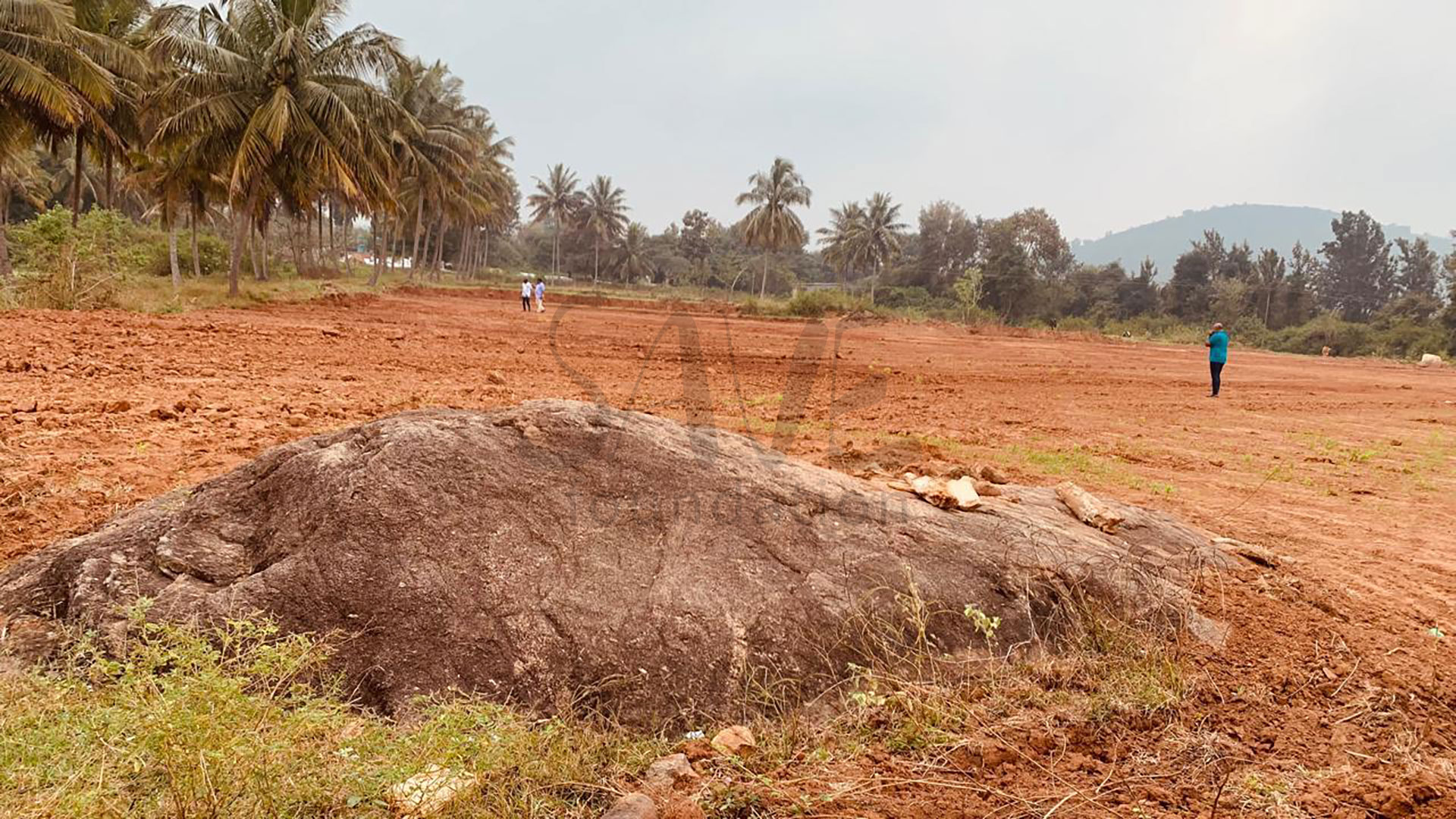
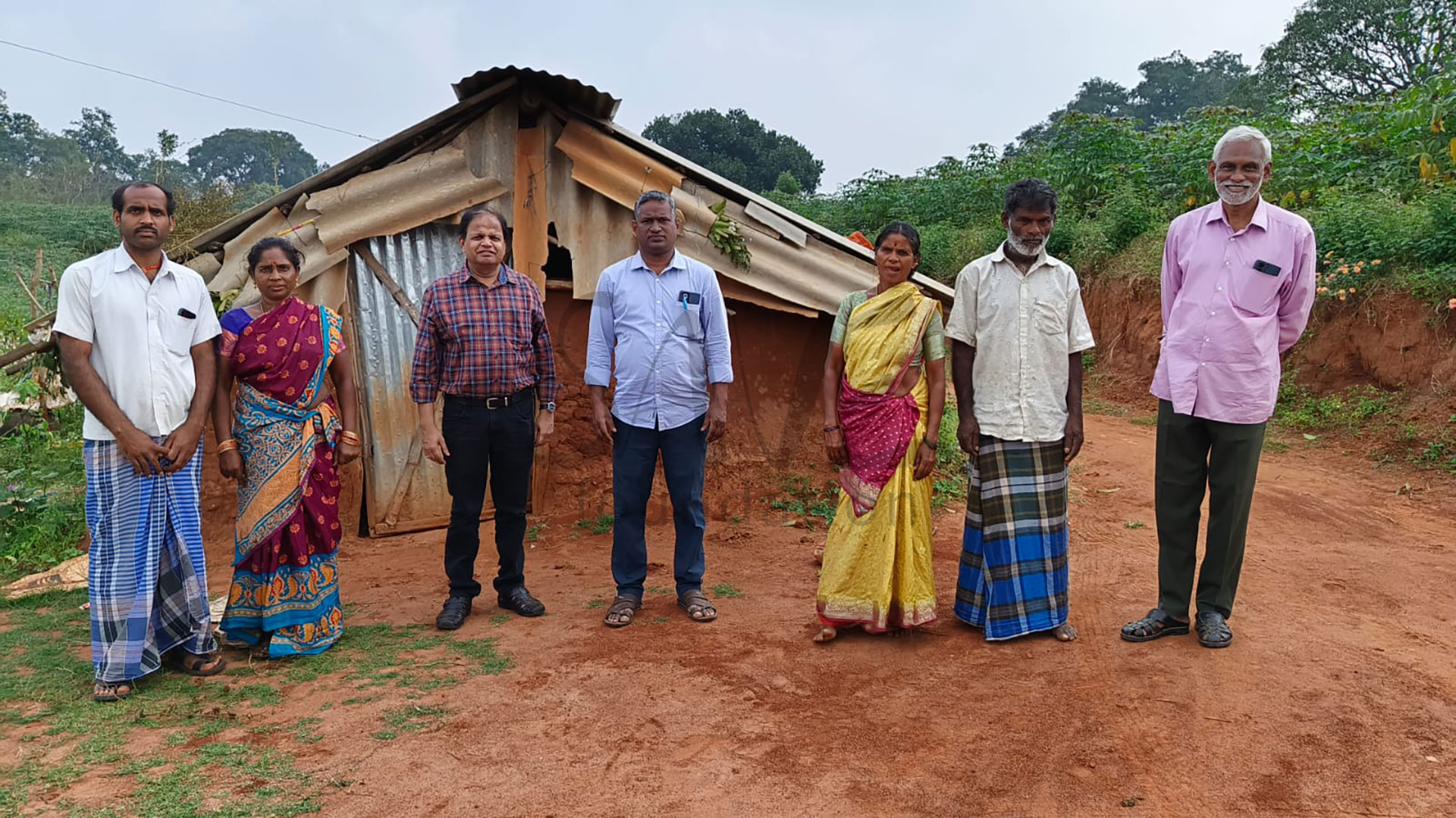
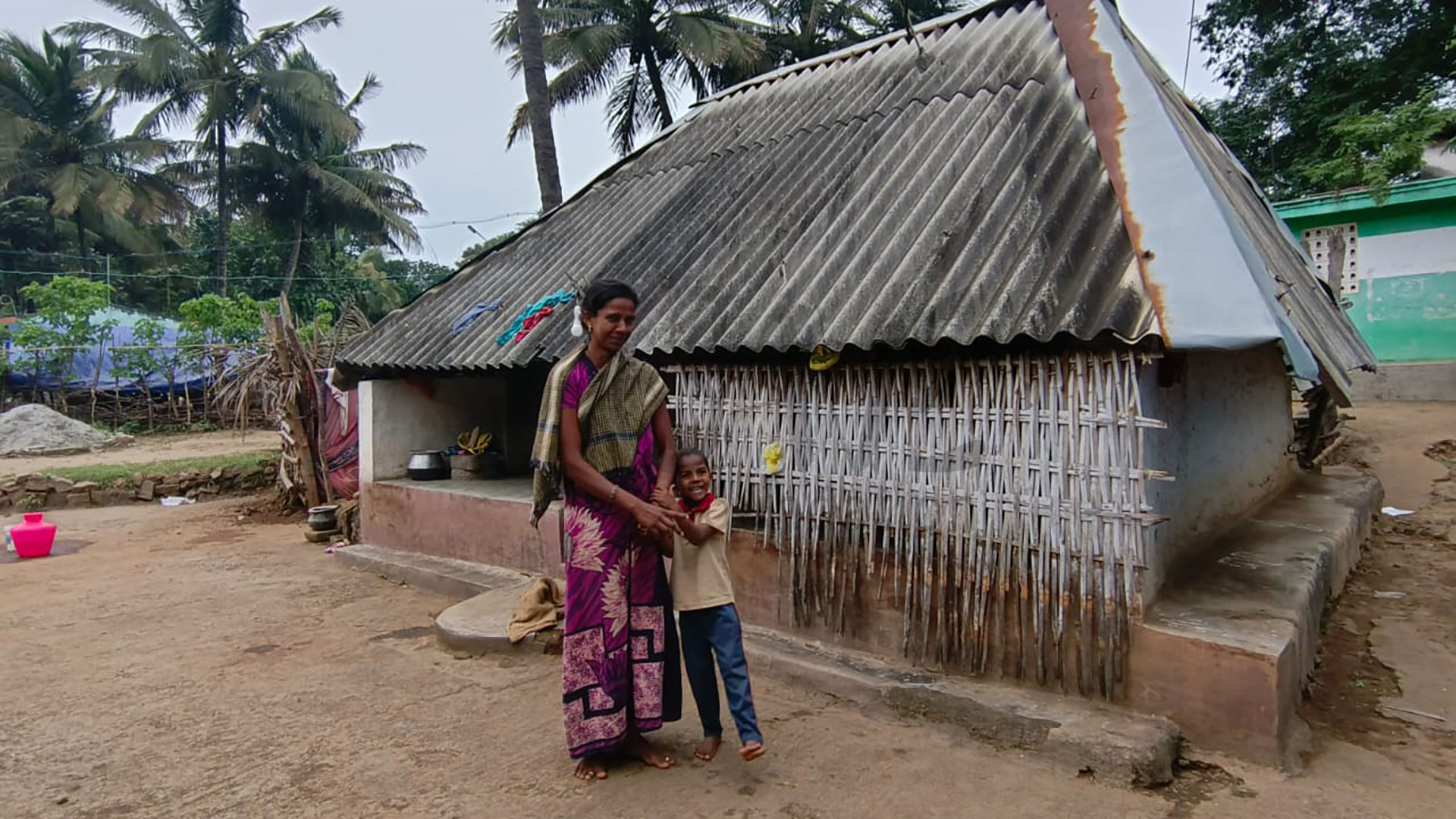
Over 80% of the tribal population in the Jawadhu Hills, Tamil Nadu (India) live below the poverty line. Agriculture is possible only during the short monsoon season, forcing many to migrate very long distances for work. Some tribals take on hazardous jobs putting their lives at risk. By nature, tribal people prefer to stay close to home. To them, migration is not a choice, but a necessity.
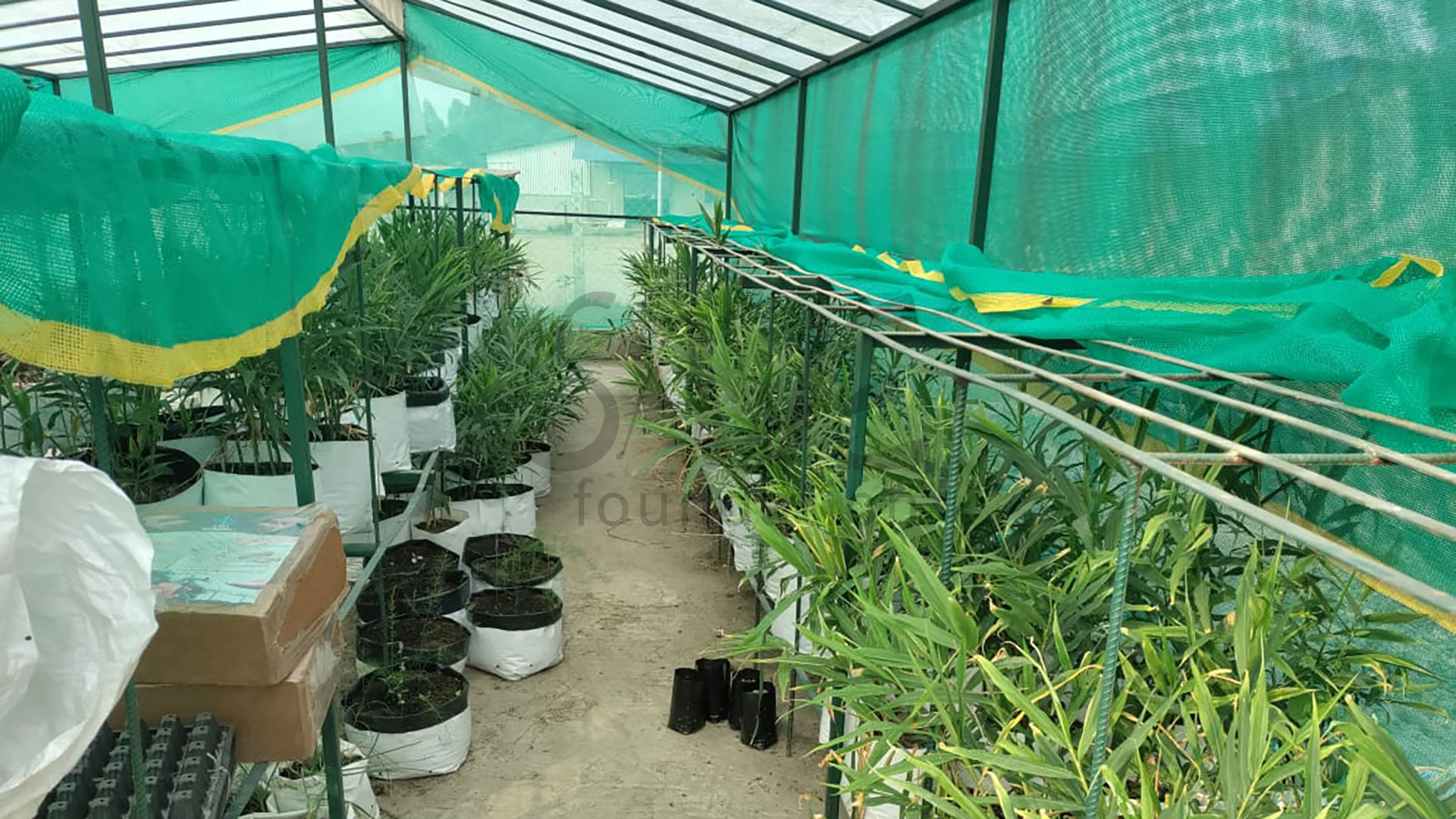
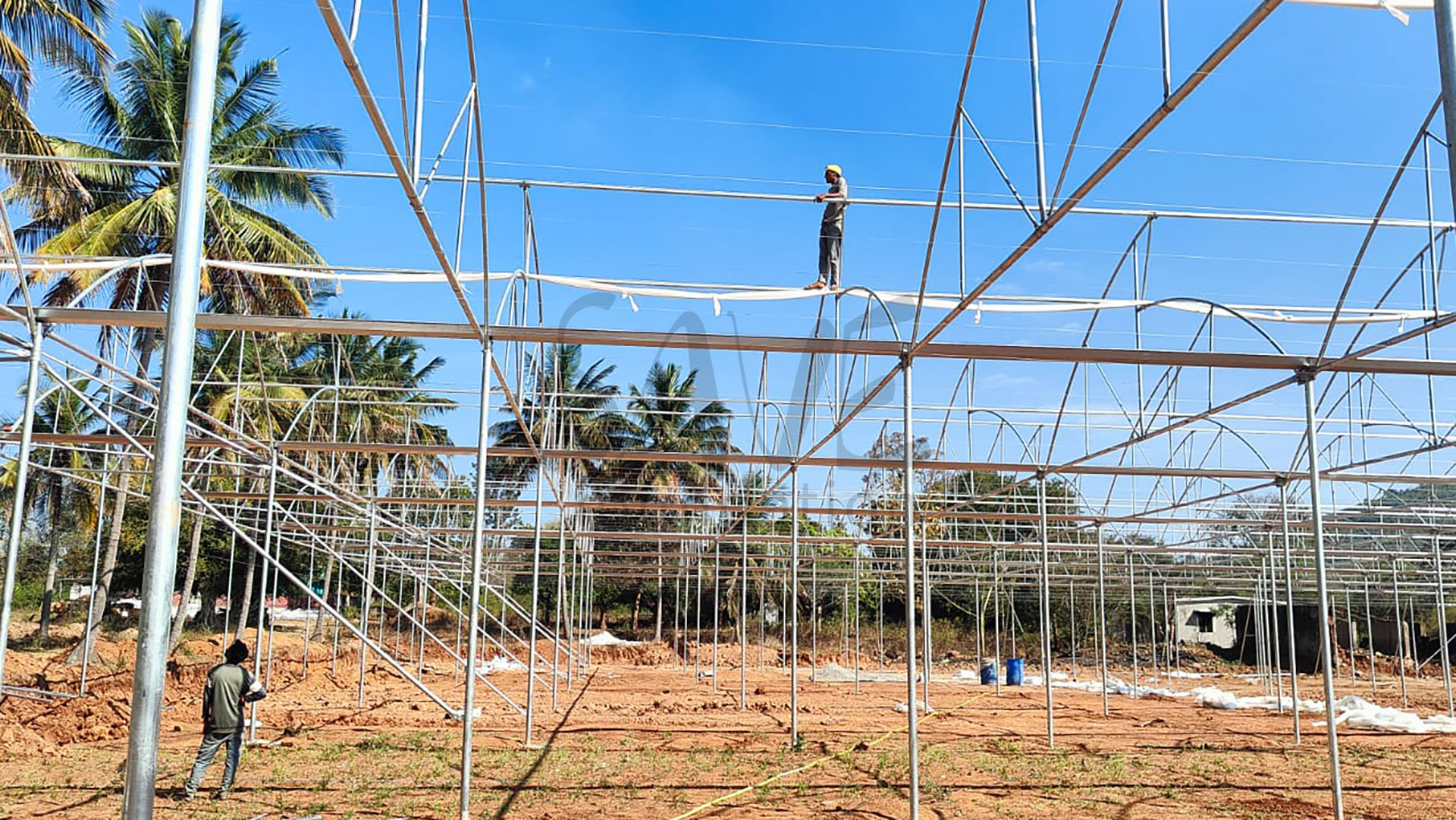
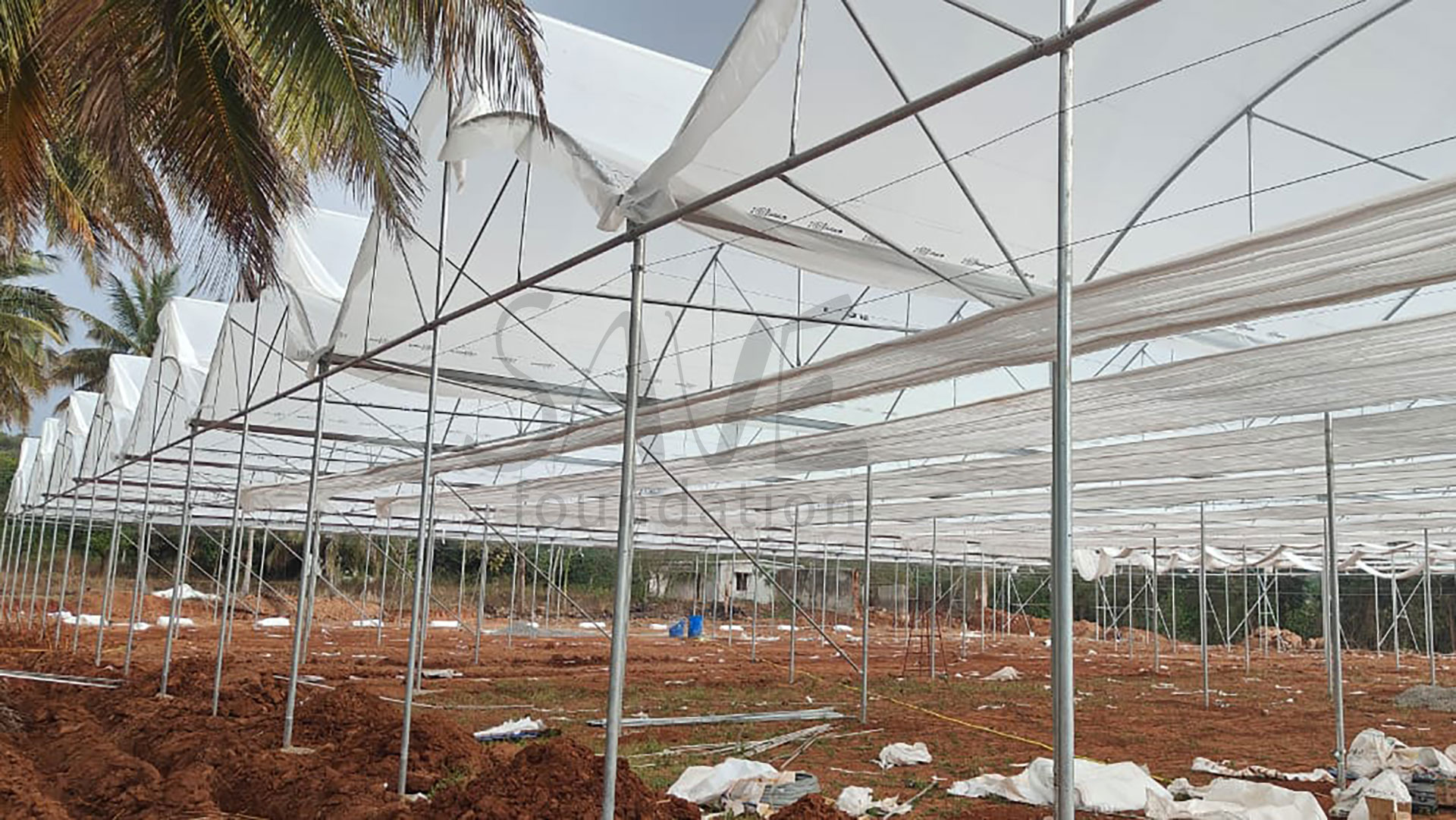
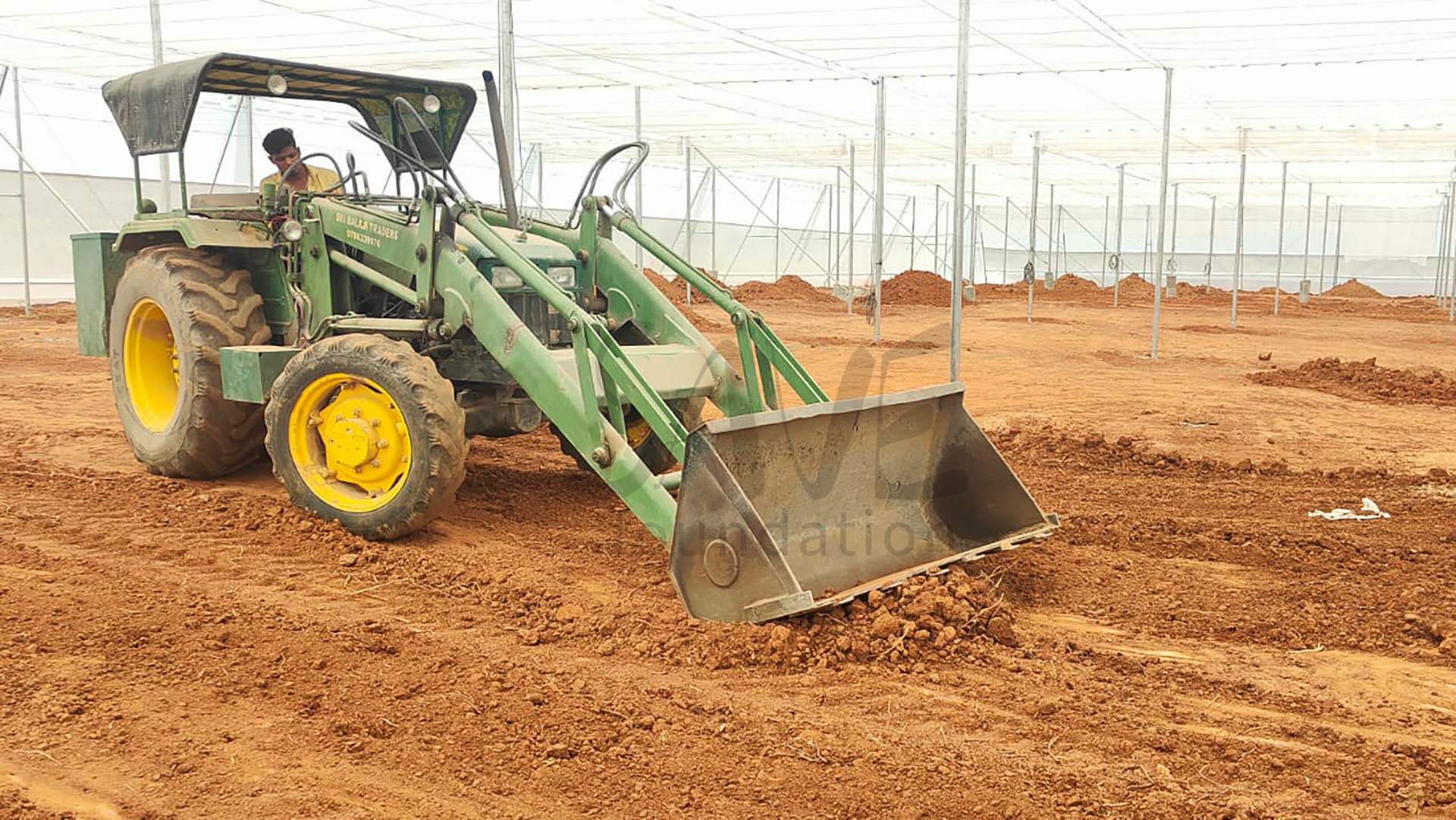
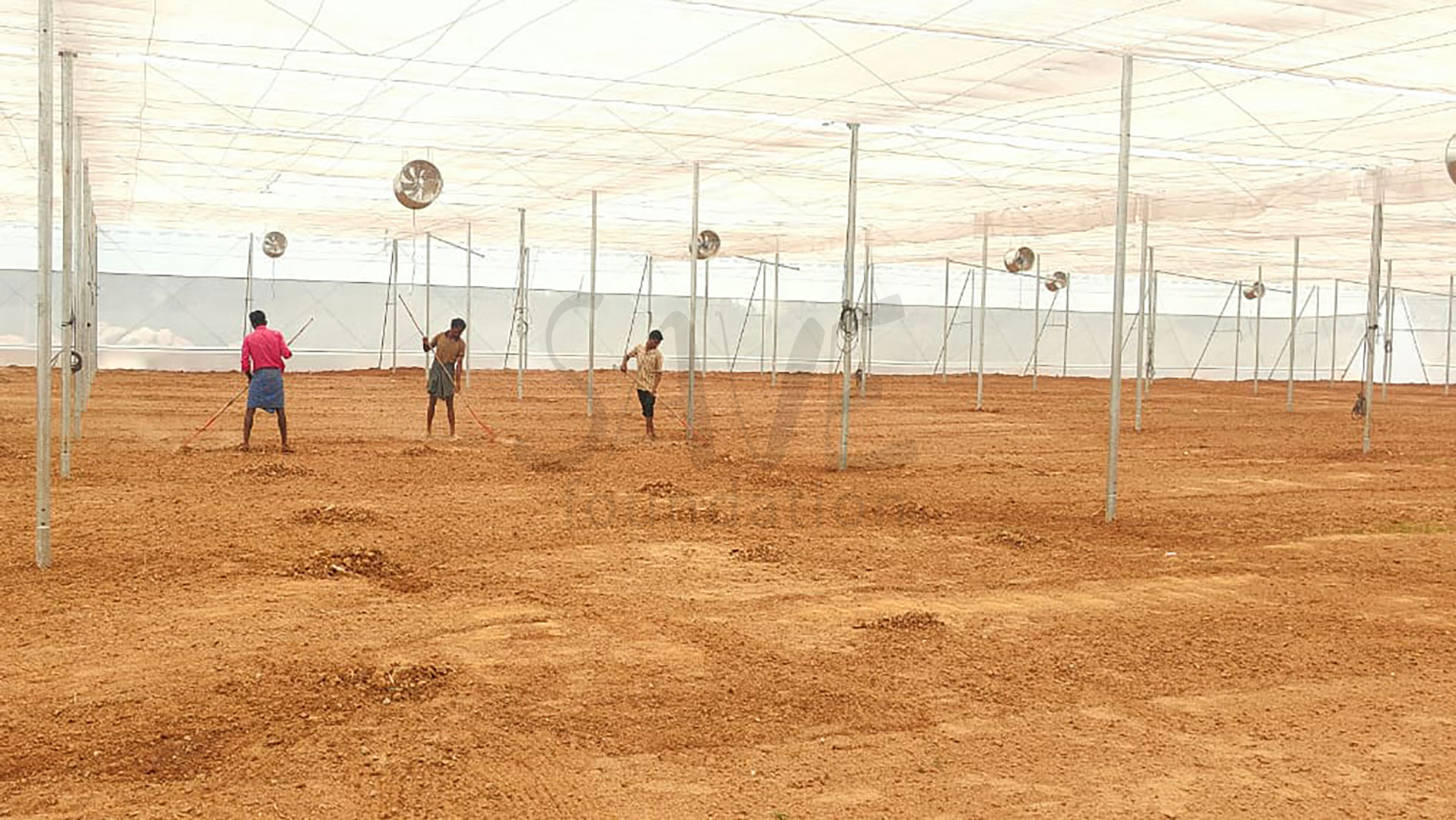
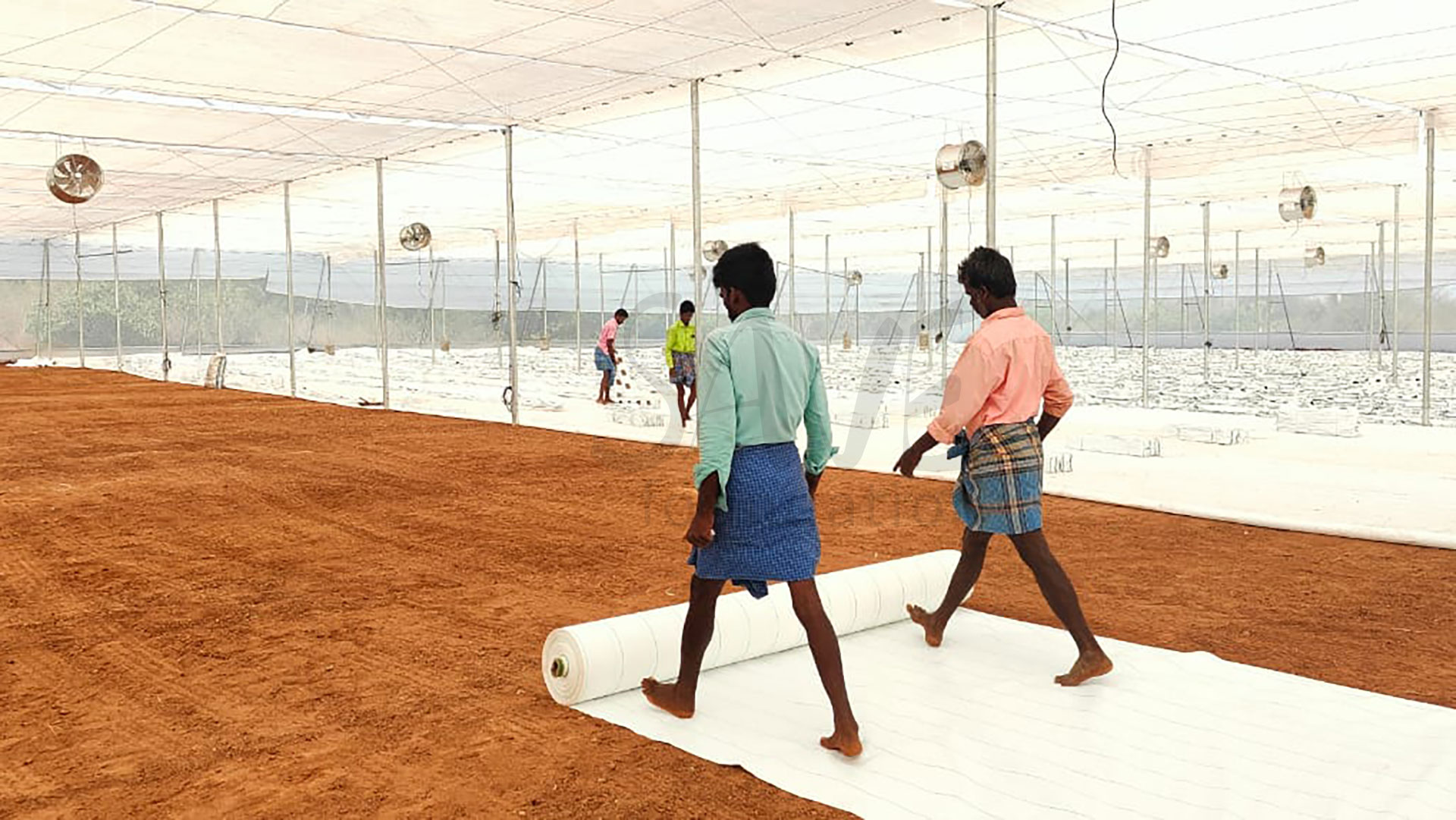
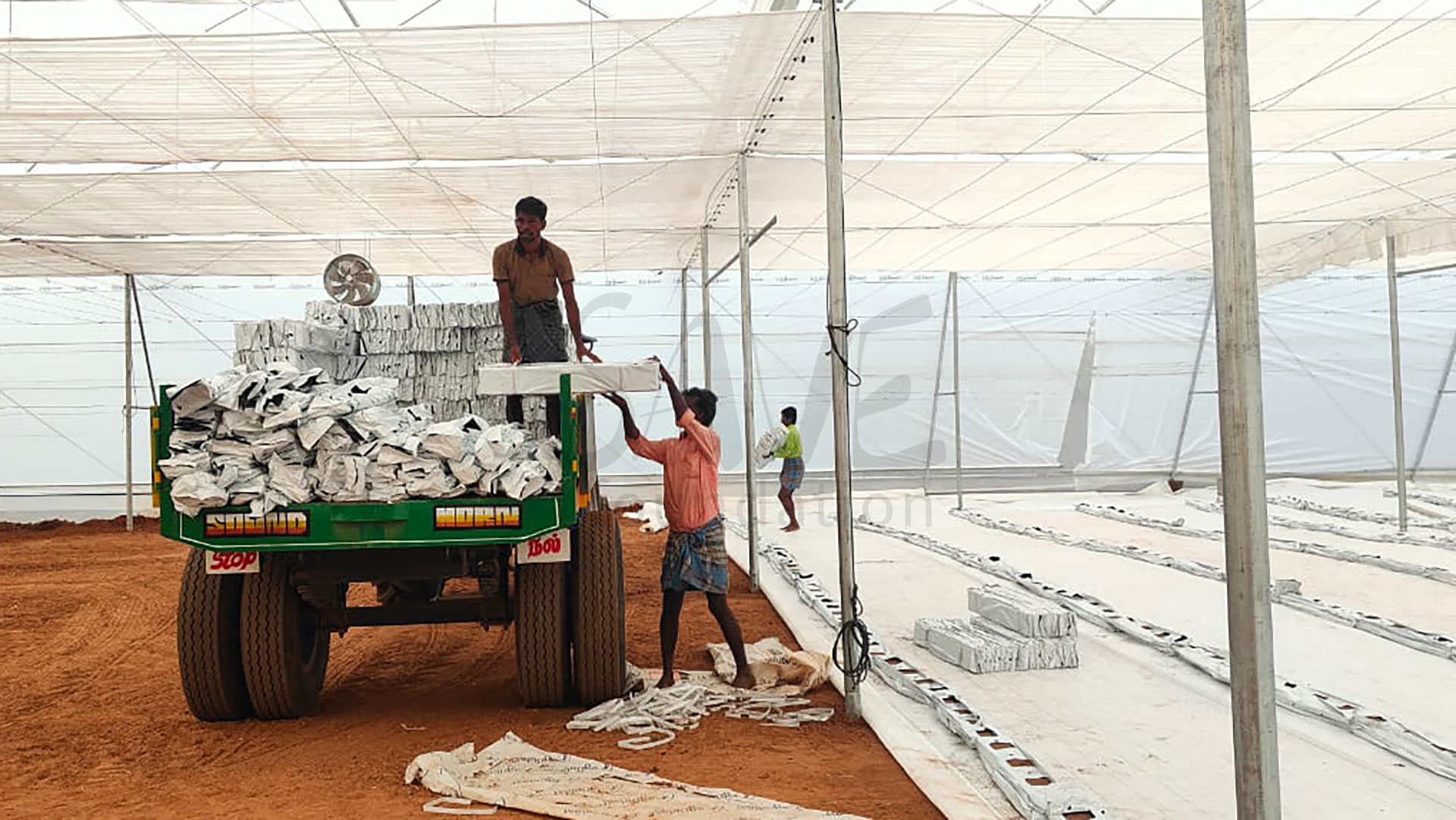
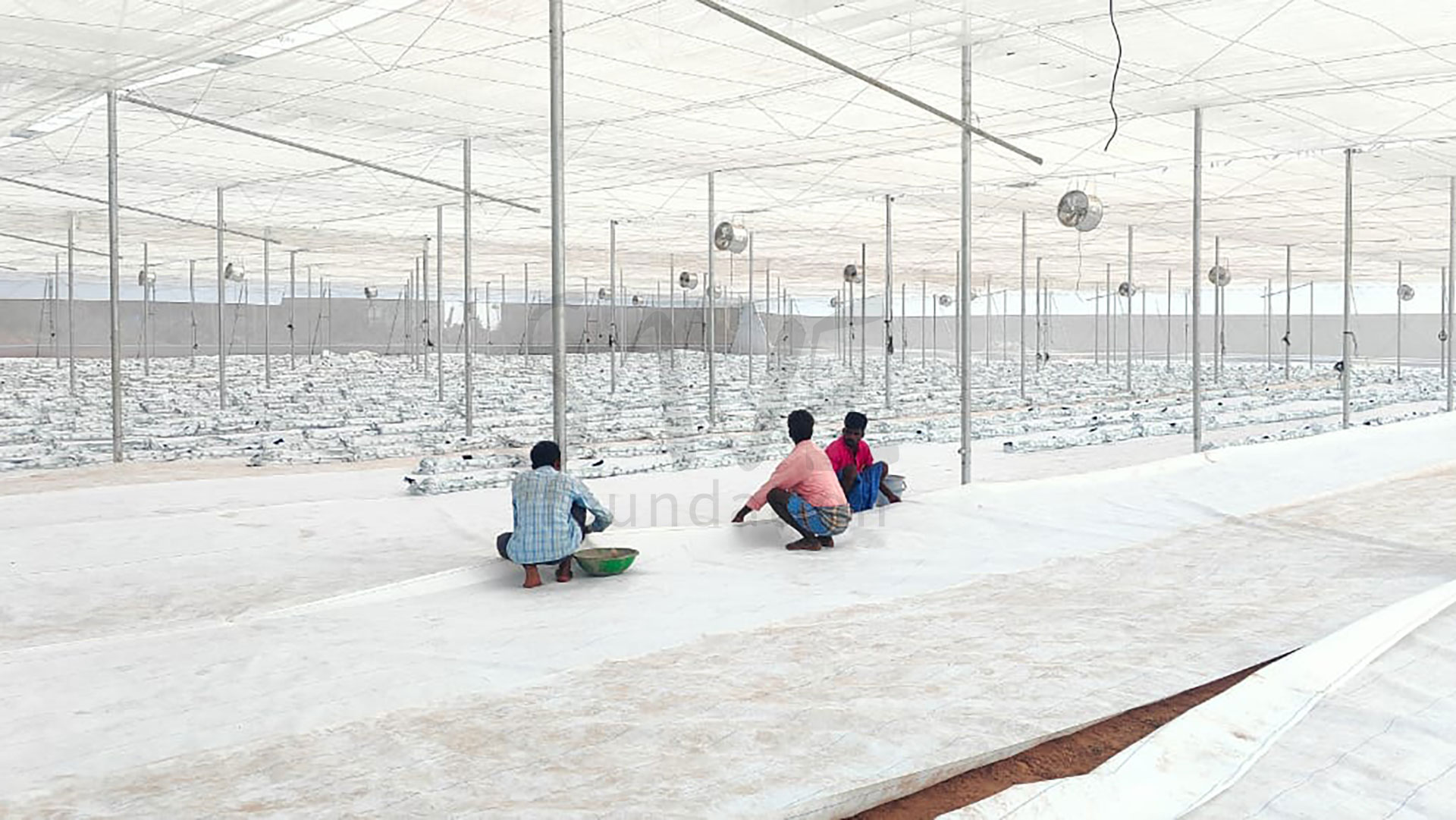
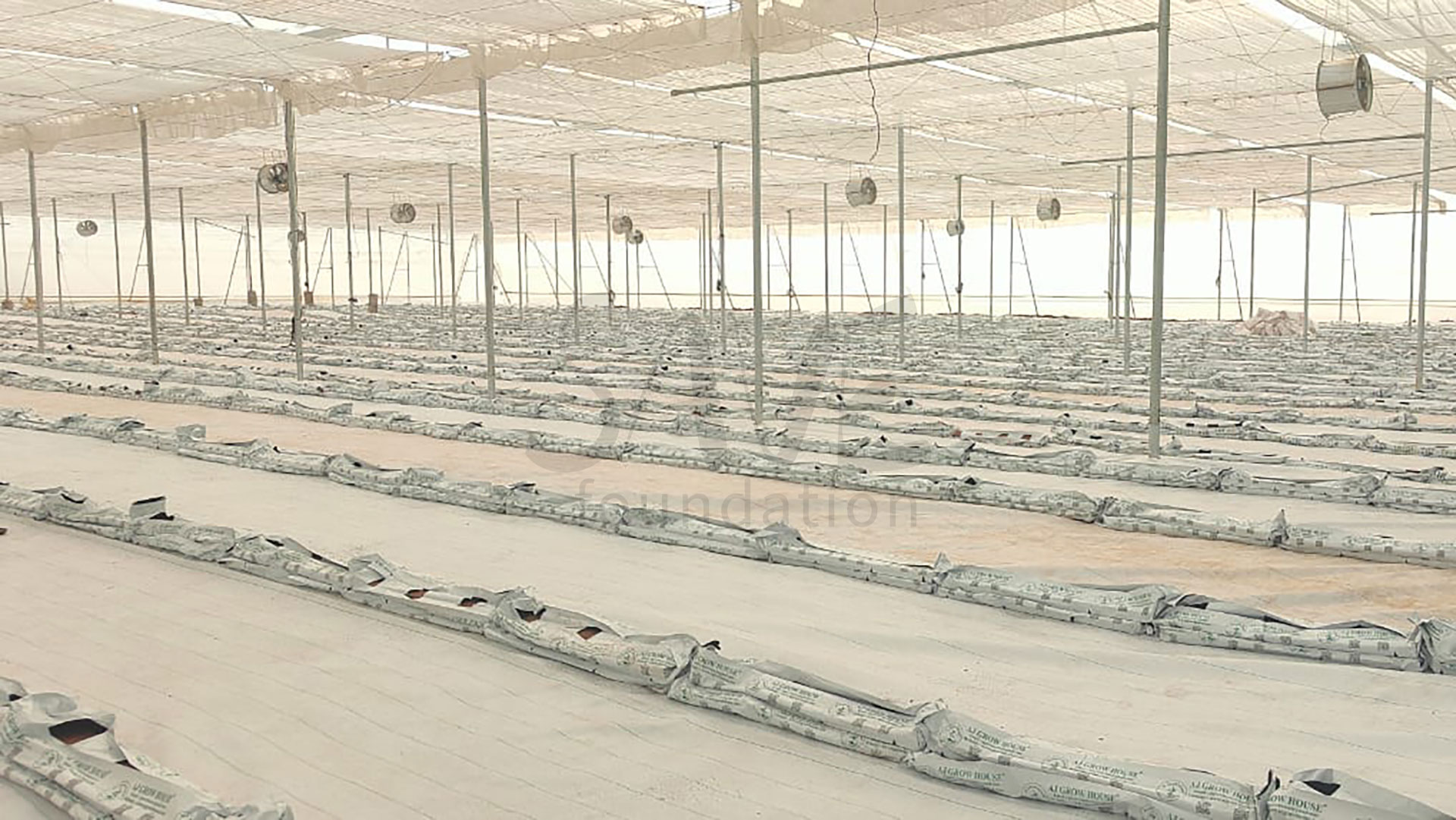
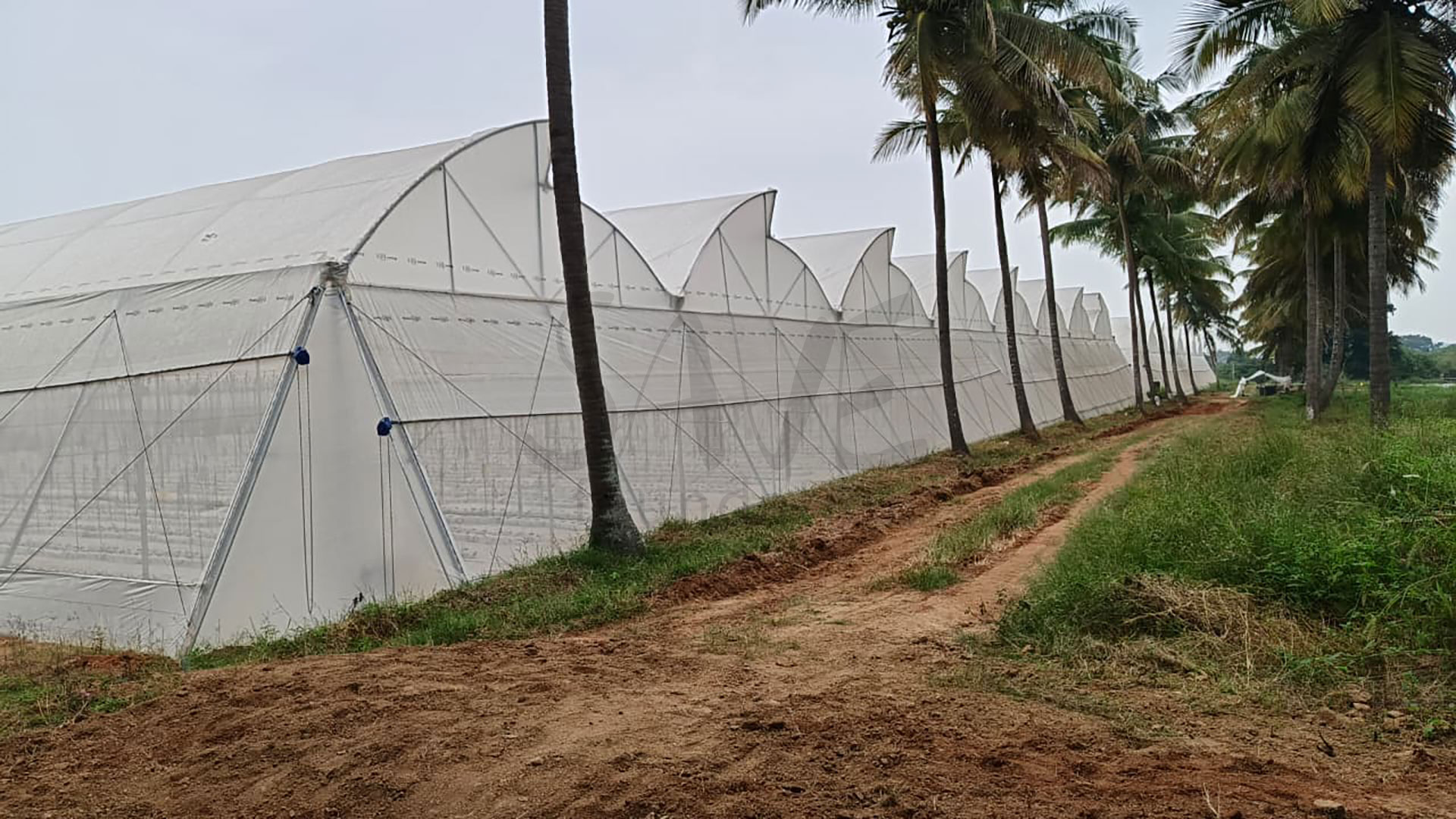
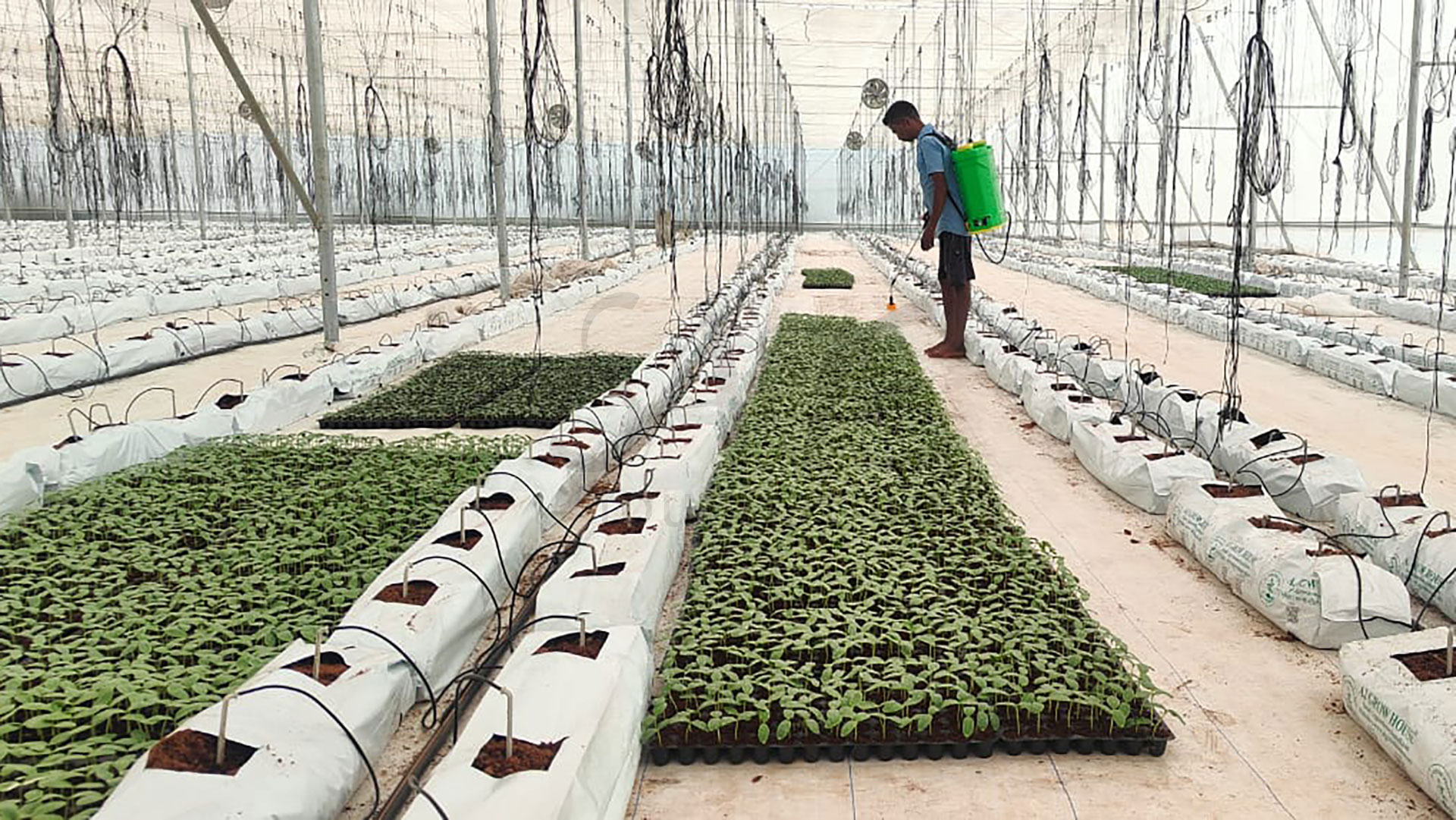
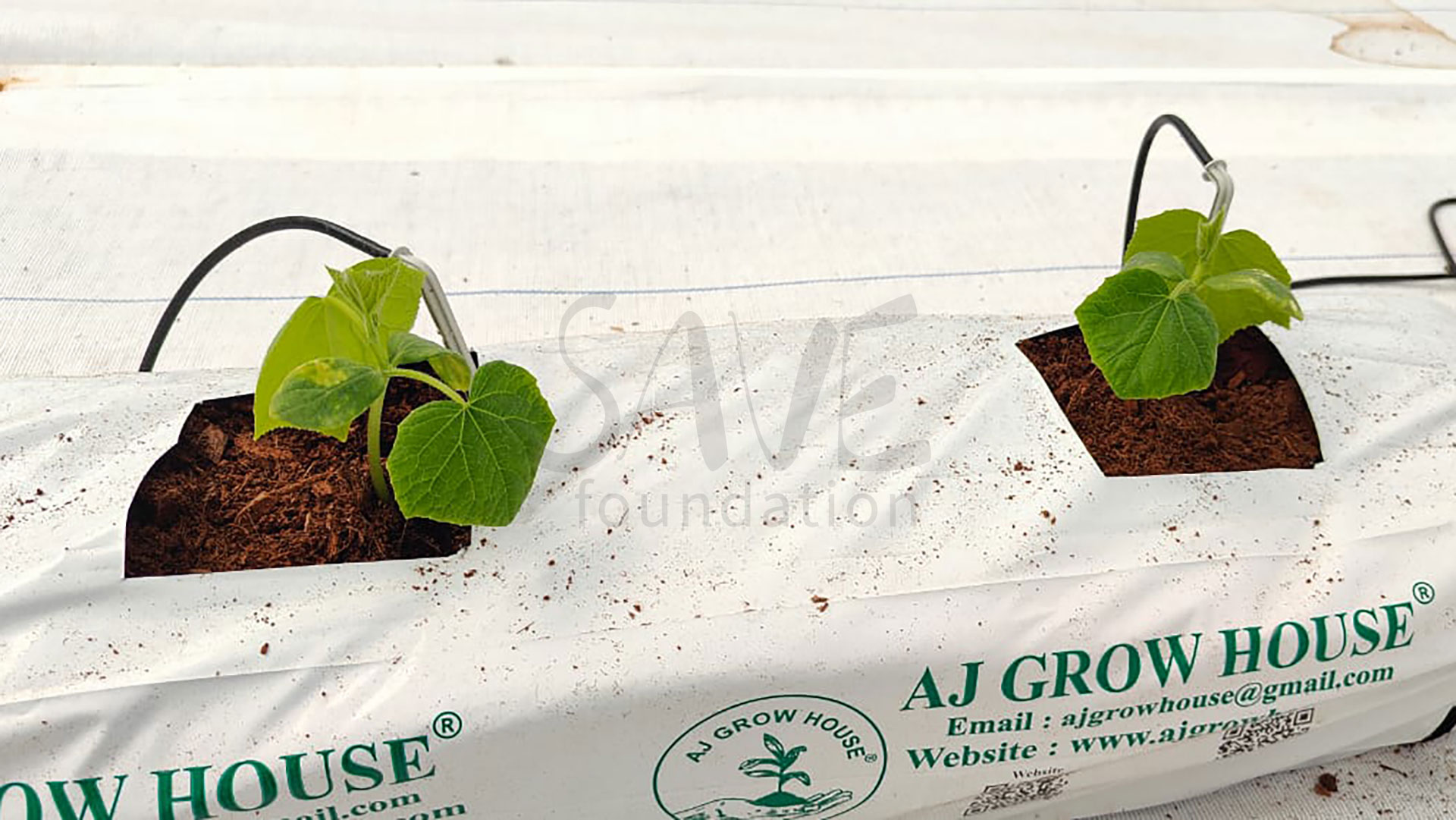
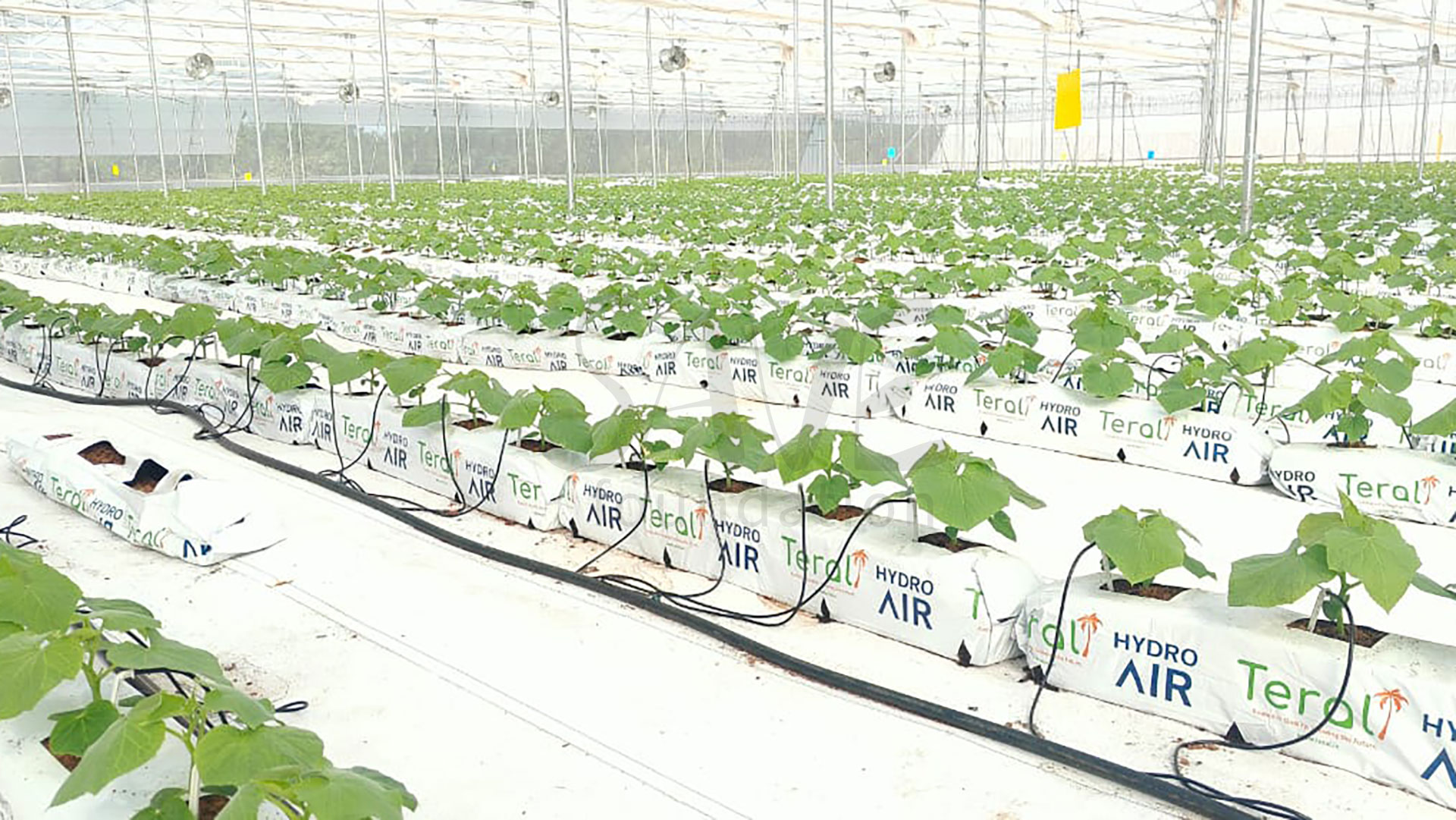
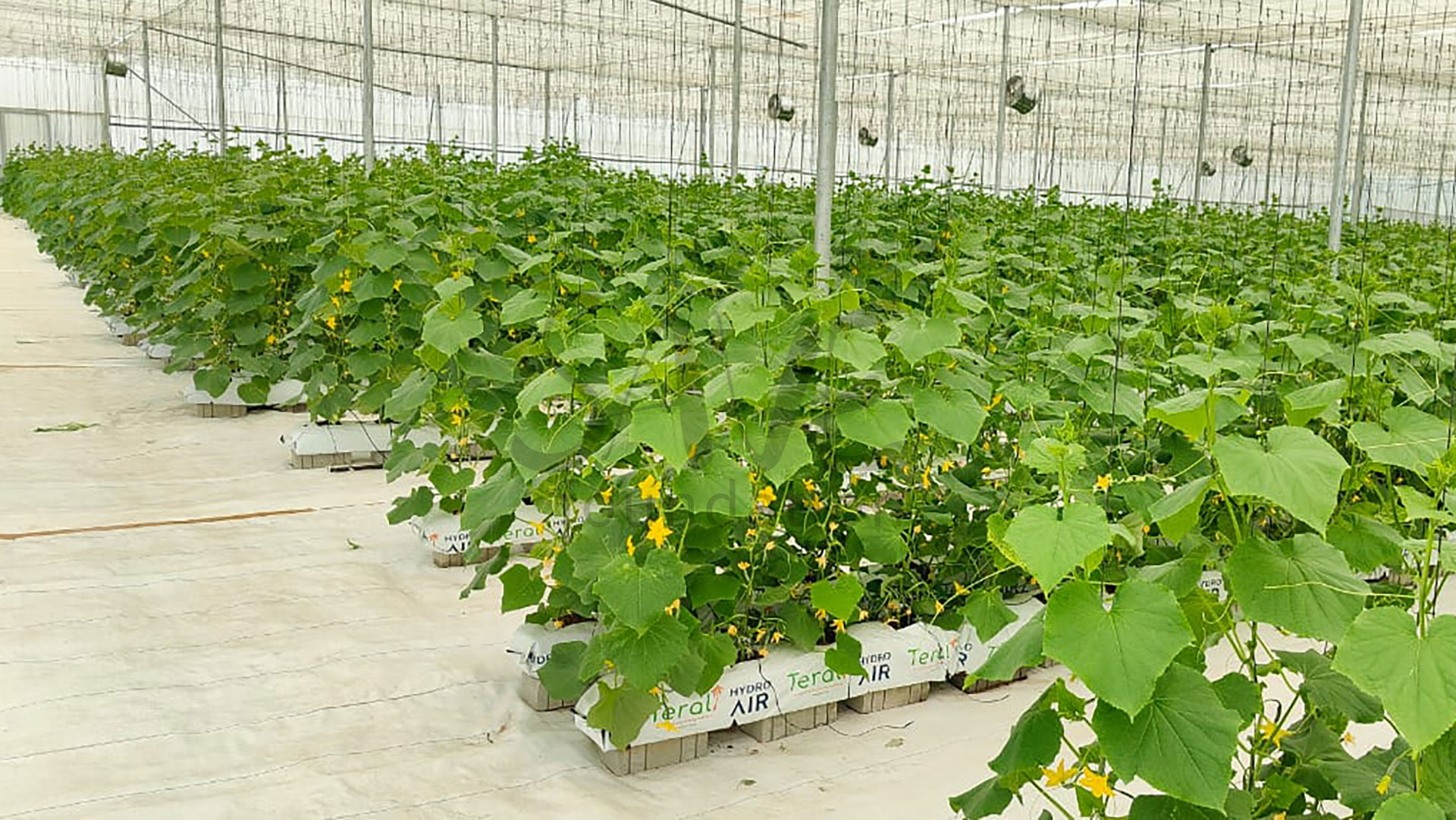
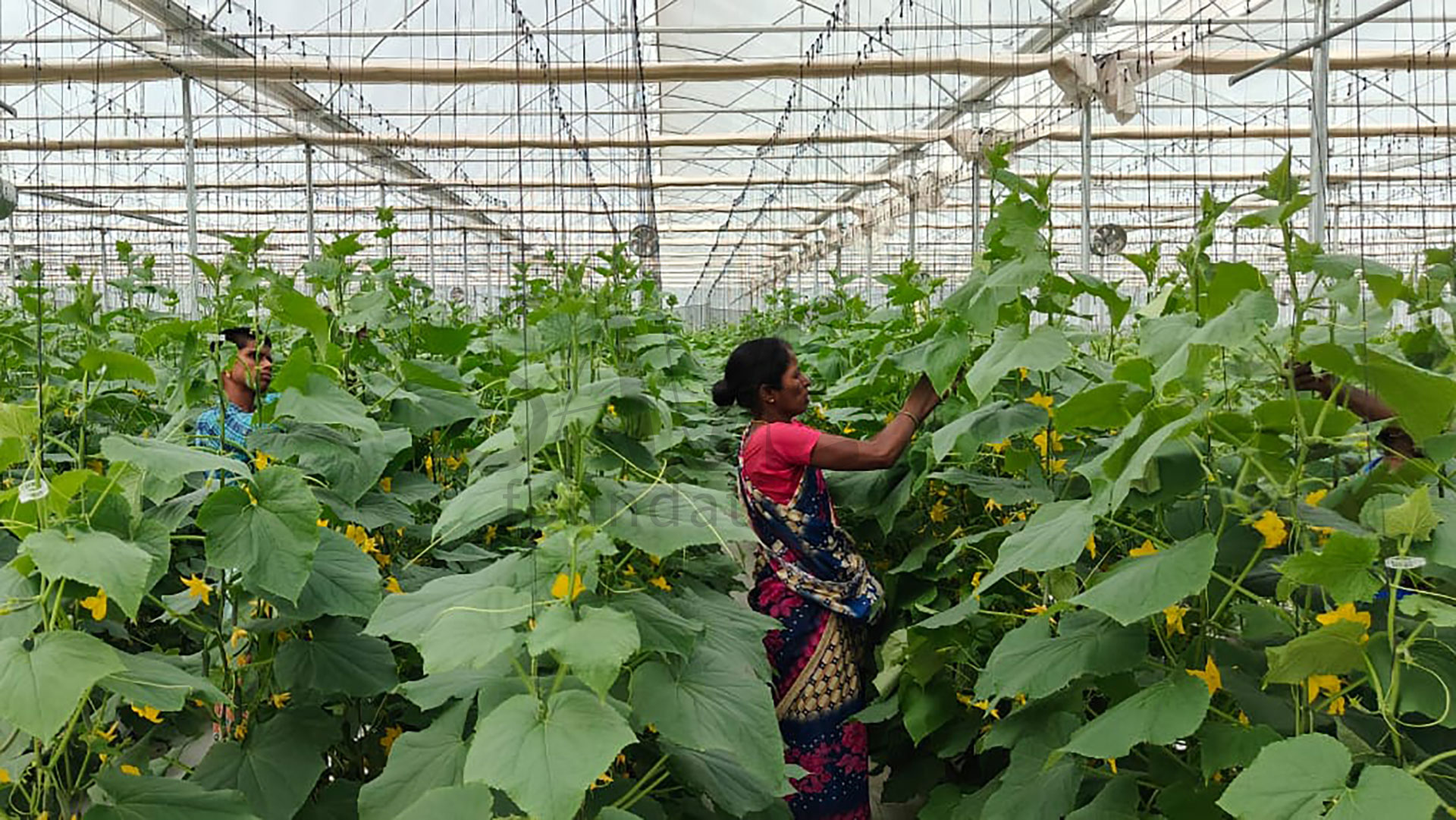
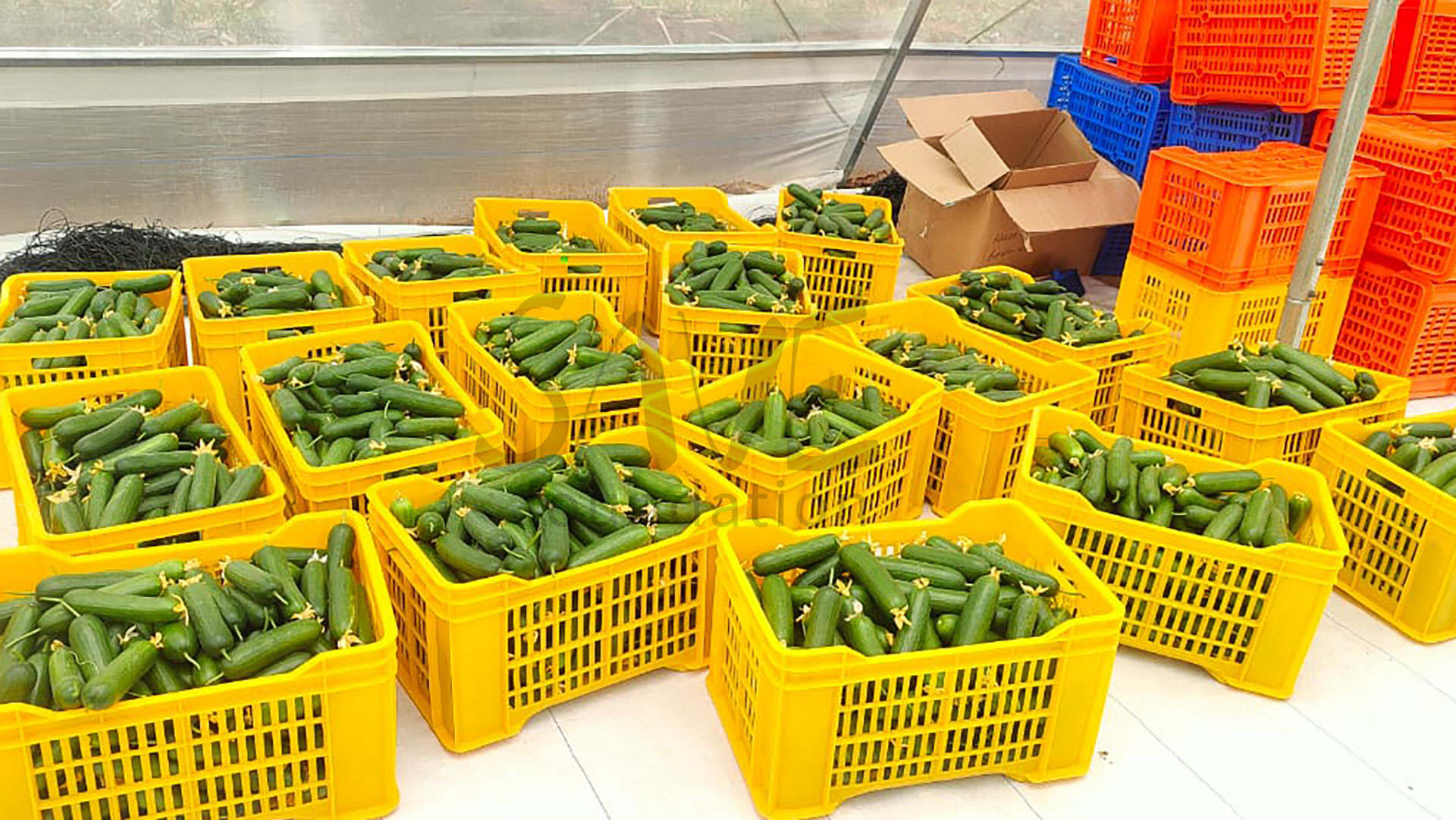
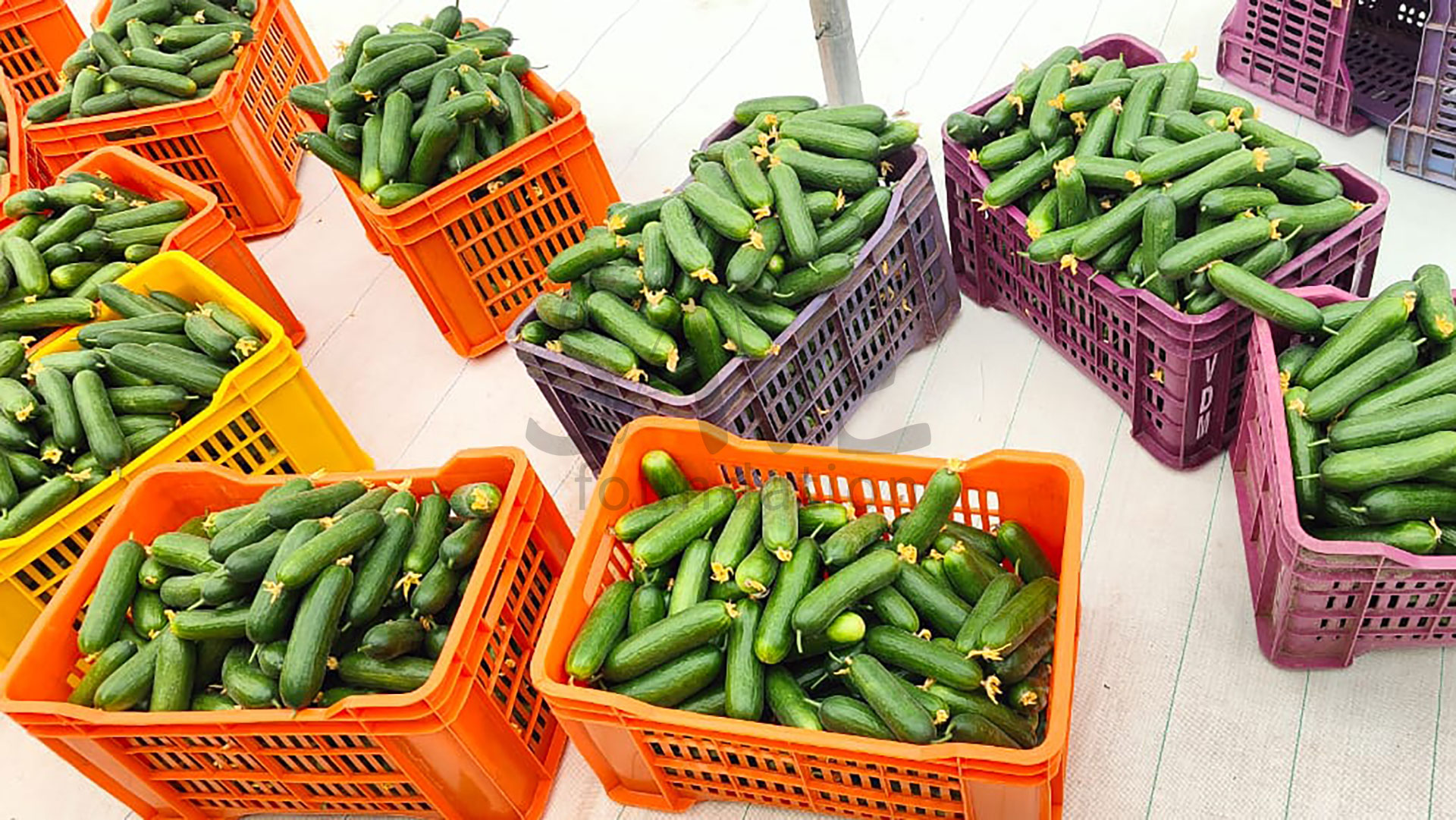
To arrest seasonal migration, it is important to create income generation opportunities locally. Our local Partner owns 32 acres of land in the village of Athipet. Together with them, SAVE Foundation designed an intervention that introduced 2 acres of Hydroponic Farming using Naturally Ventilated Polyhouse (NPV) — a method that uses up to 90% less water and enables year-round cultivation.
Intervention
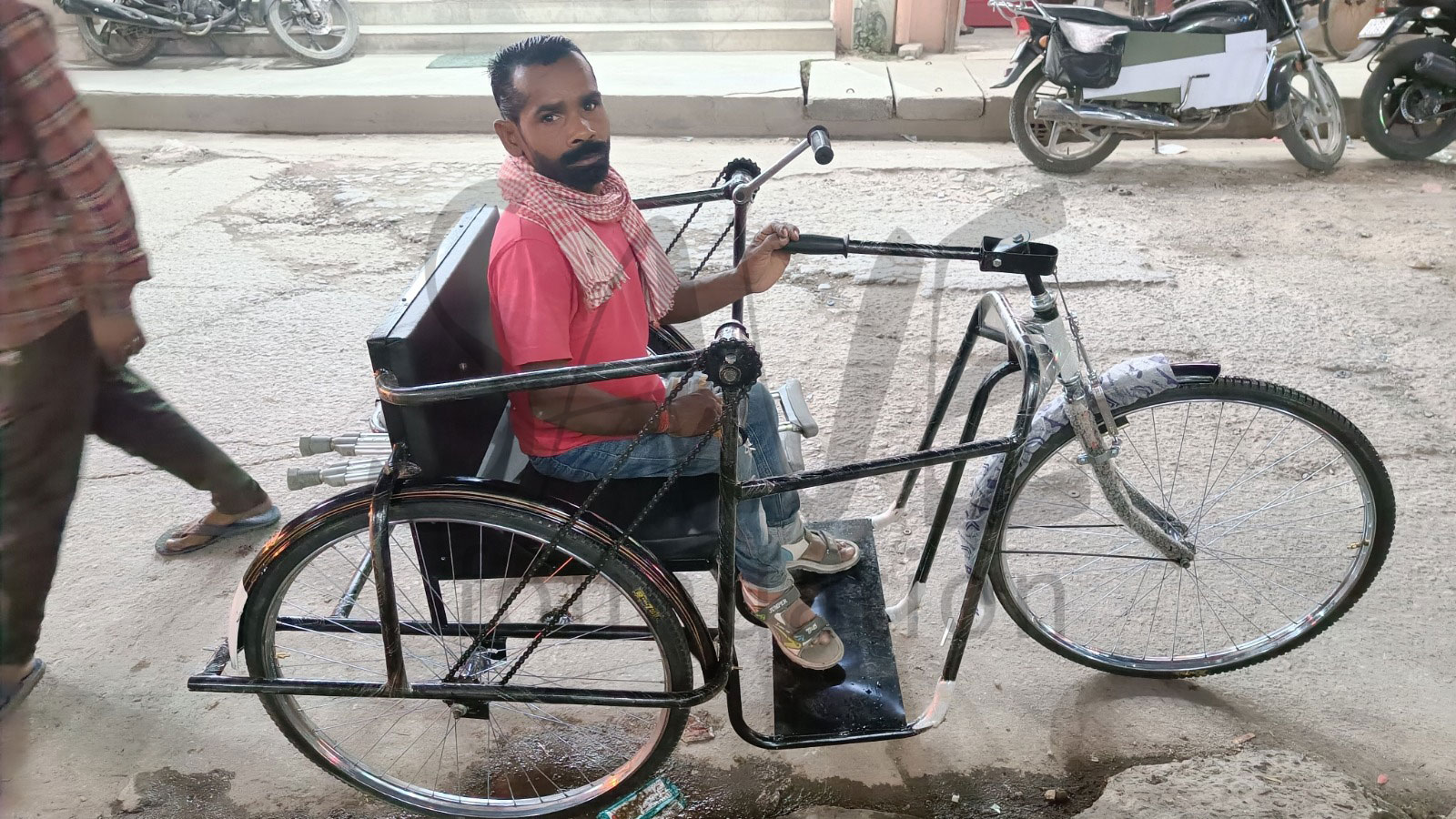
Due to extreme poverty, malnutrition, and limited access to healthcare, many children in these tribal communities are born with disabilities. Consanguineous marriages (i.e., within own families) also aggravate the issue. Therefore, our focus was to reach out to People with Disabilities (PwDs).
The Hydroponic Farm operates as a revenue-generating unit, with profits funding outreach programs for tribal people with disabilities in remote tribal villages across the region. Soon we will also introduce fish farming in catchment areas (used for rainwater harvesting). Fresh fish being available locally will lower its cost and making it accessible to local tribal families.
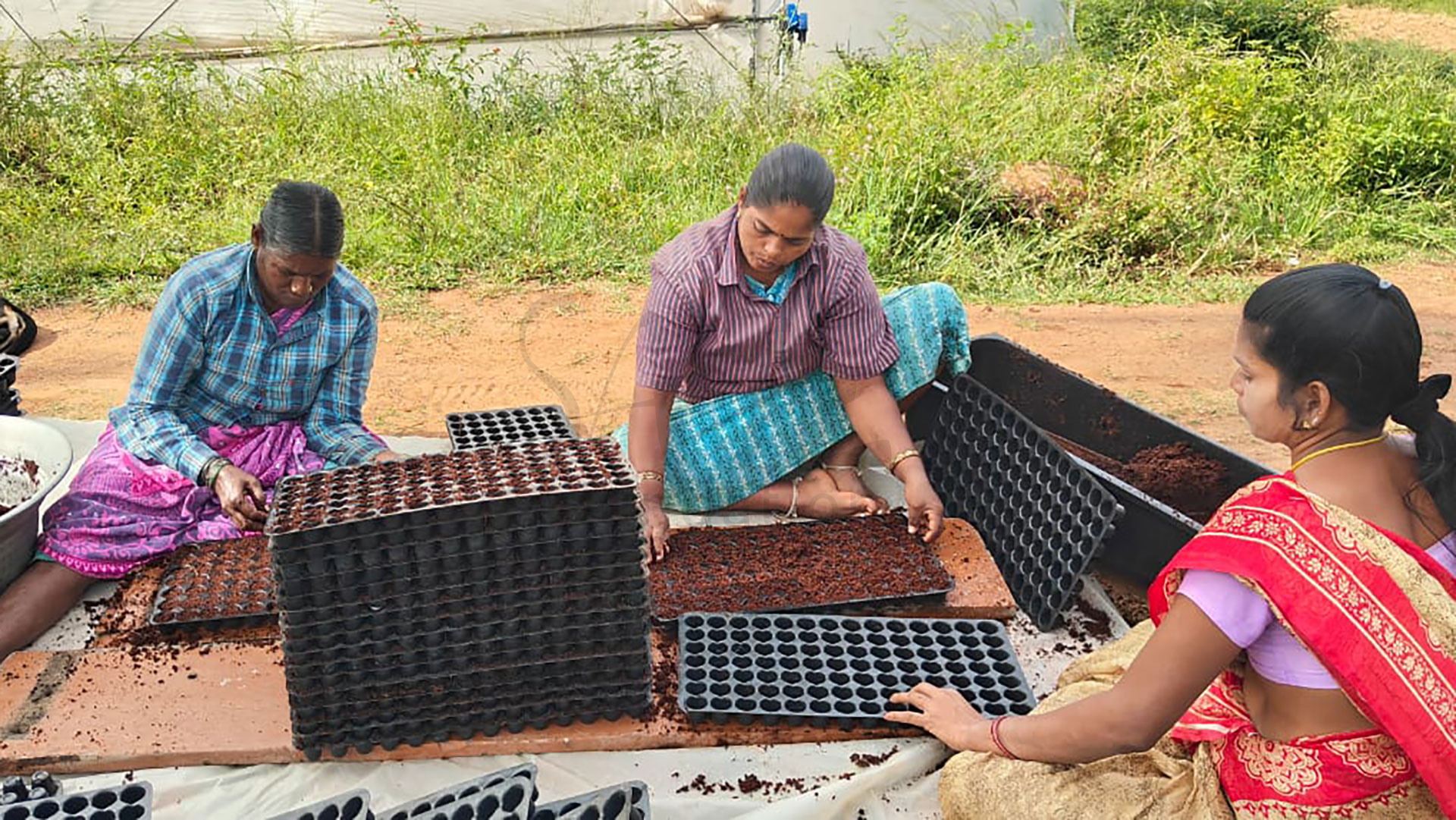
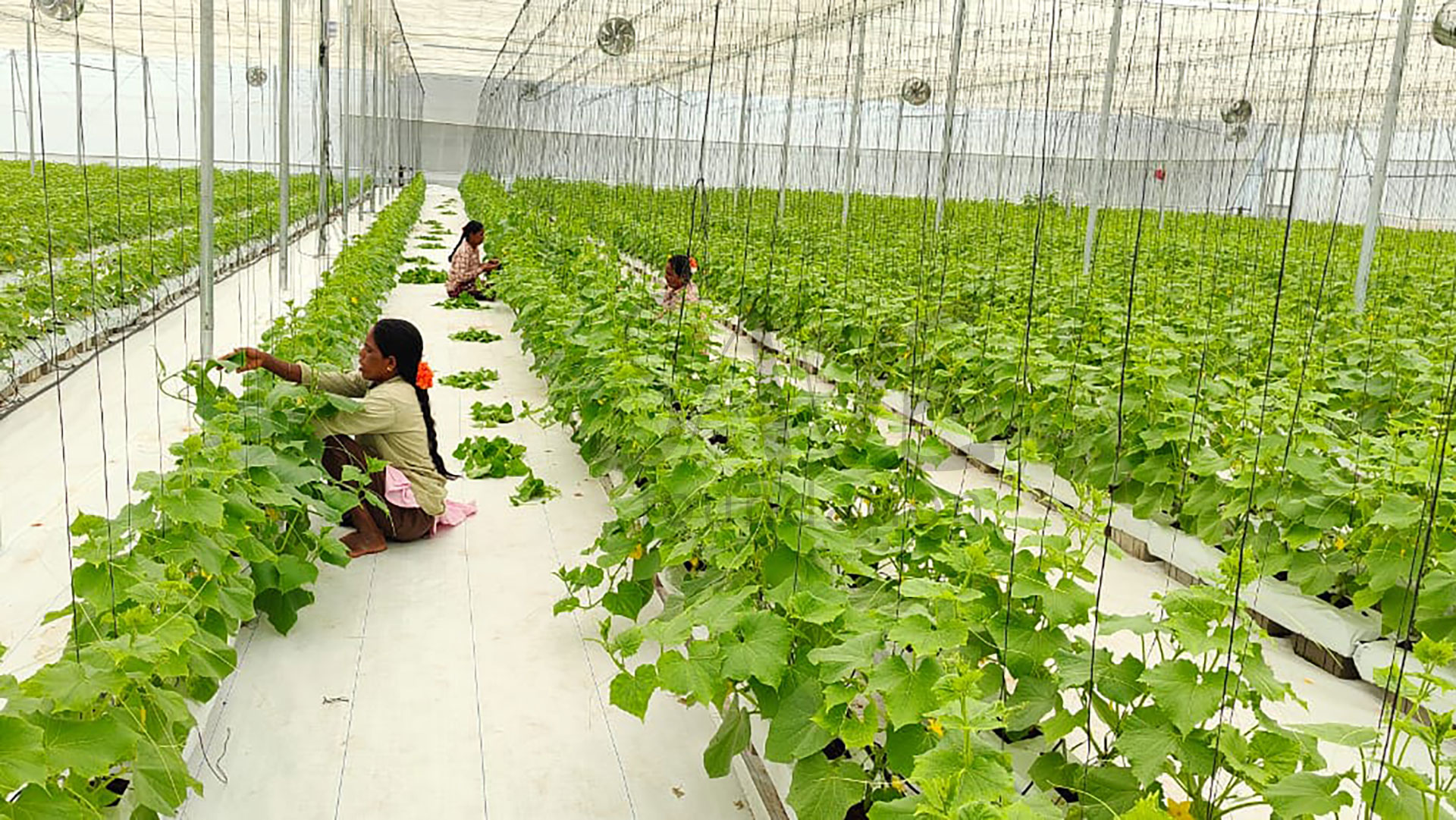
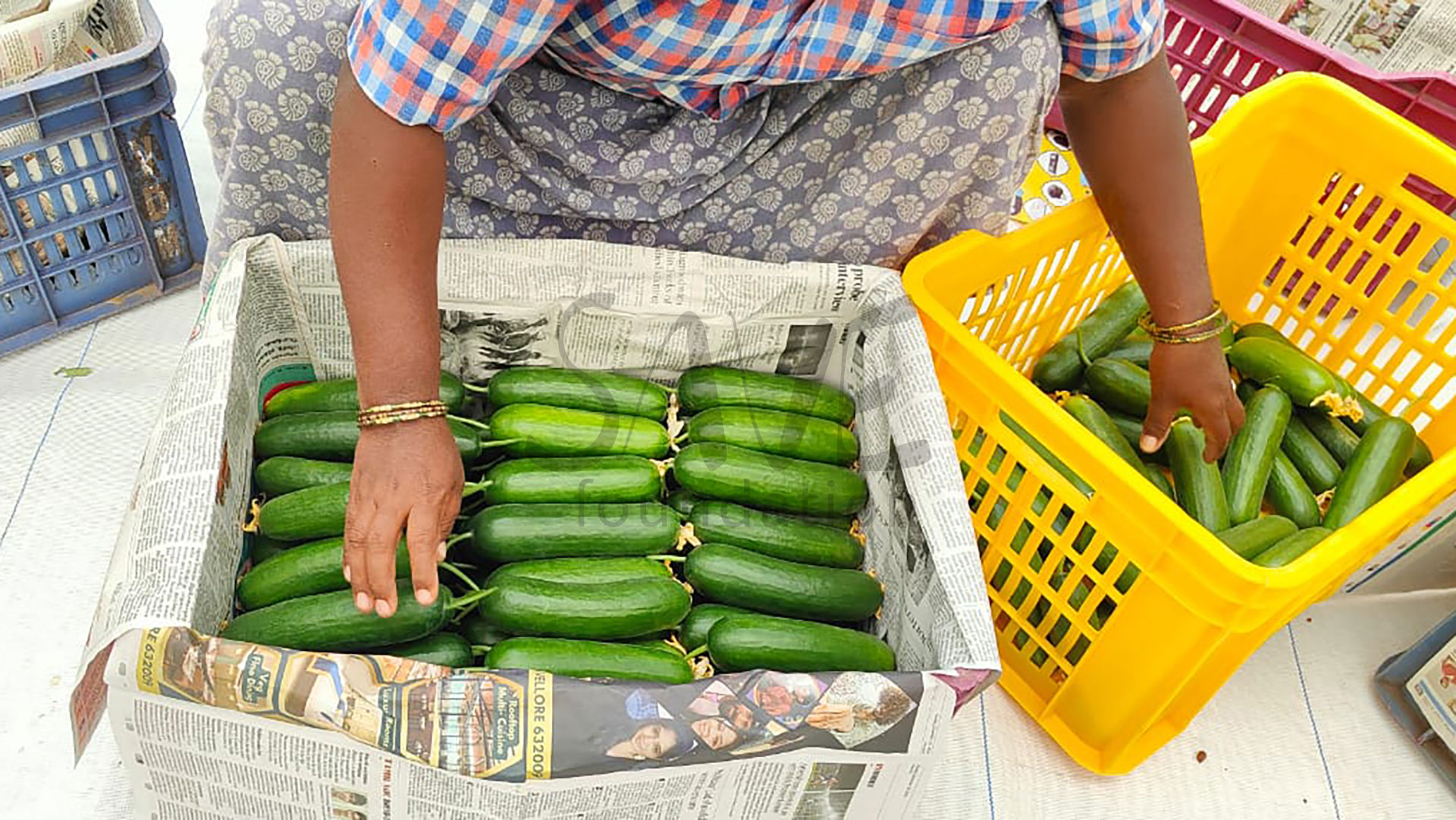
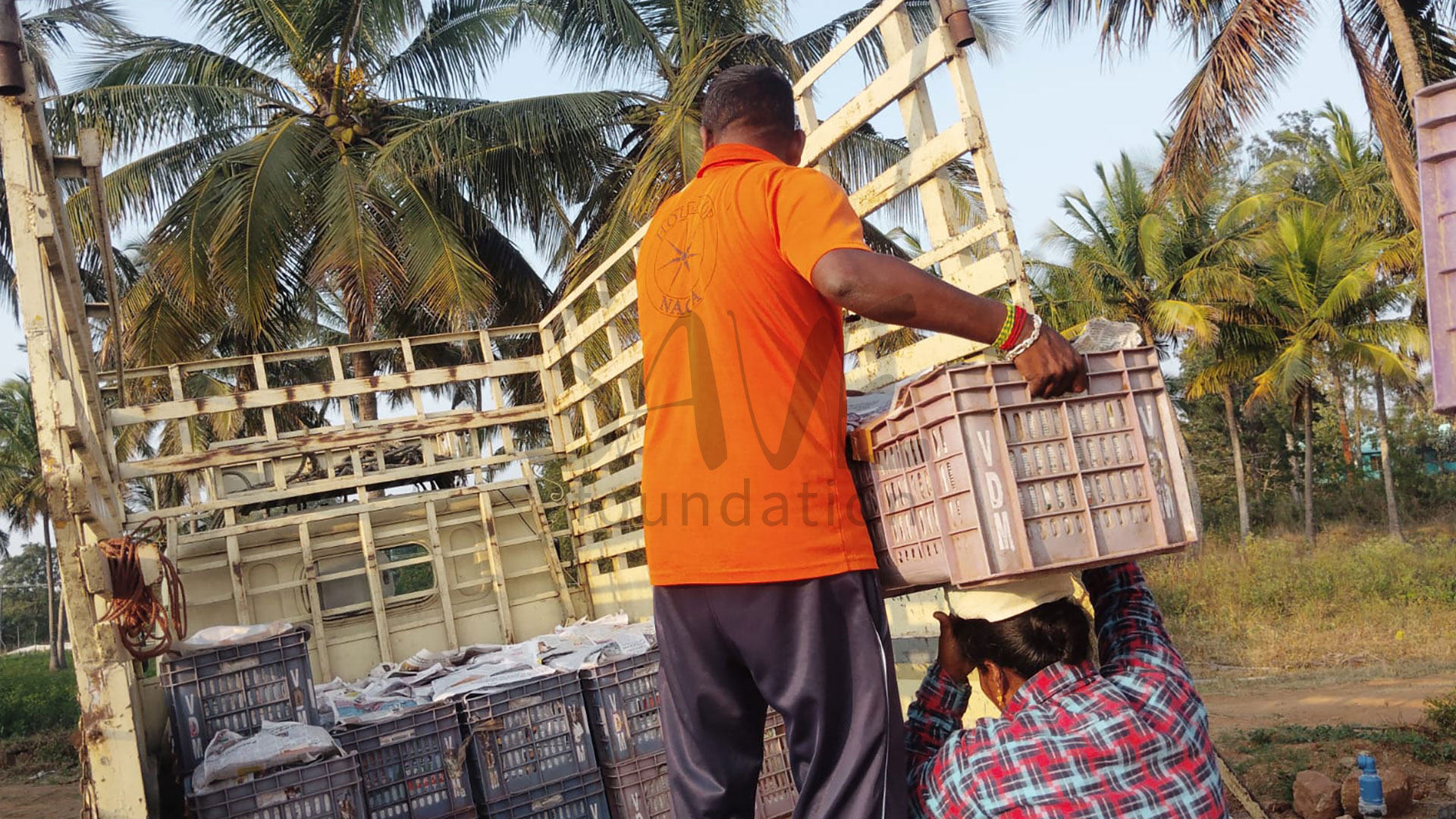
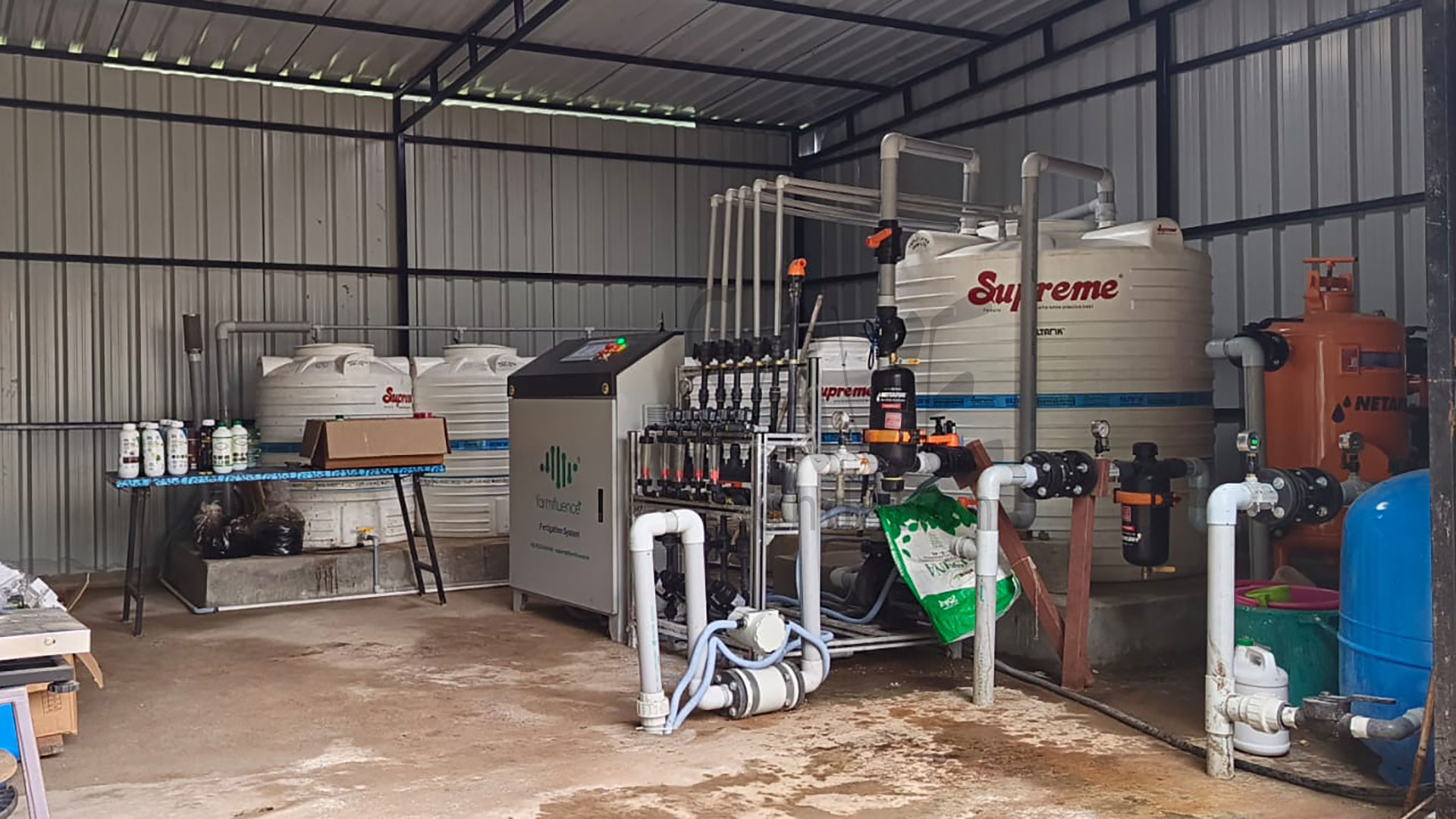
The farm combines modern technology with community participation. Fully automated irrigation and fertigation system ensures consistent, high-quality yields. Local Self-Help Groups, especially persons with disabilities, are engaged in harvesting and packaging, thus creating dignified employment.
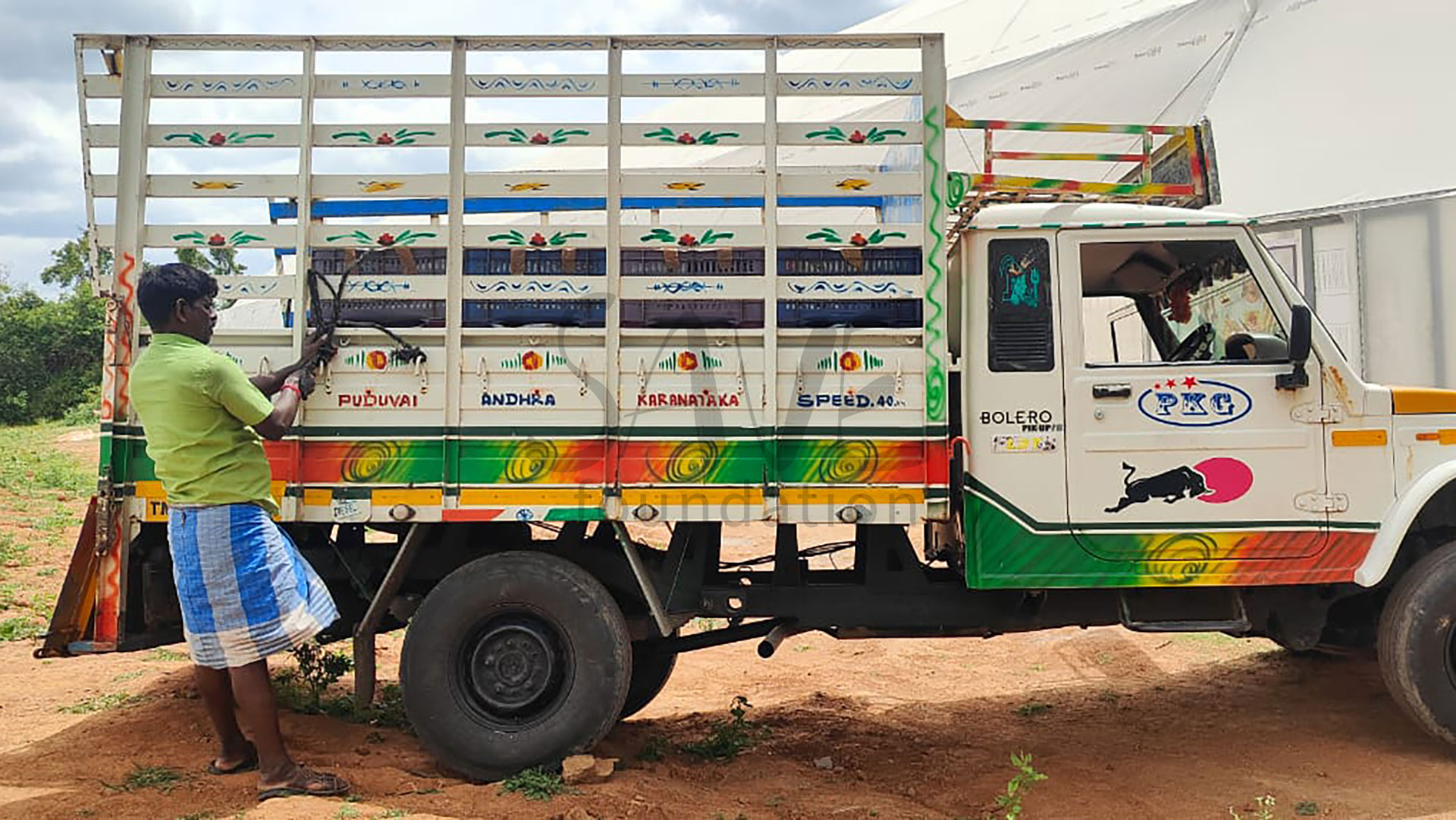
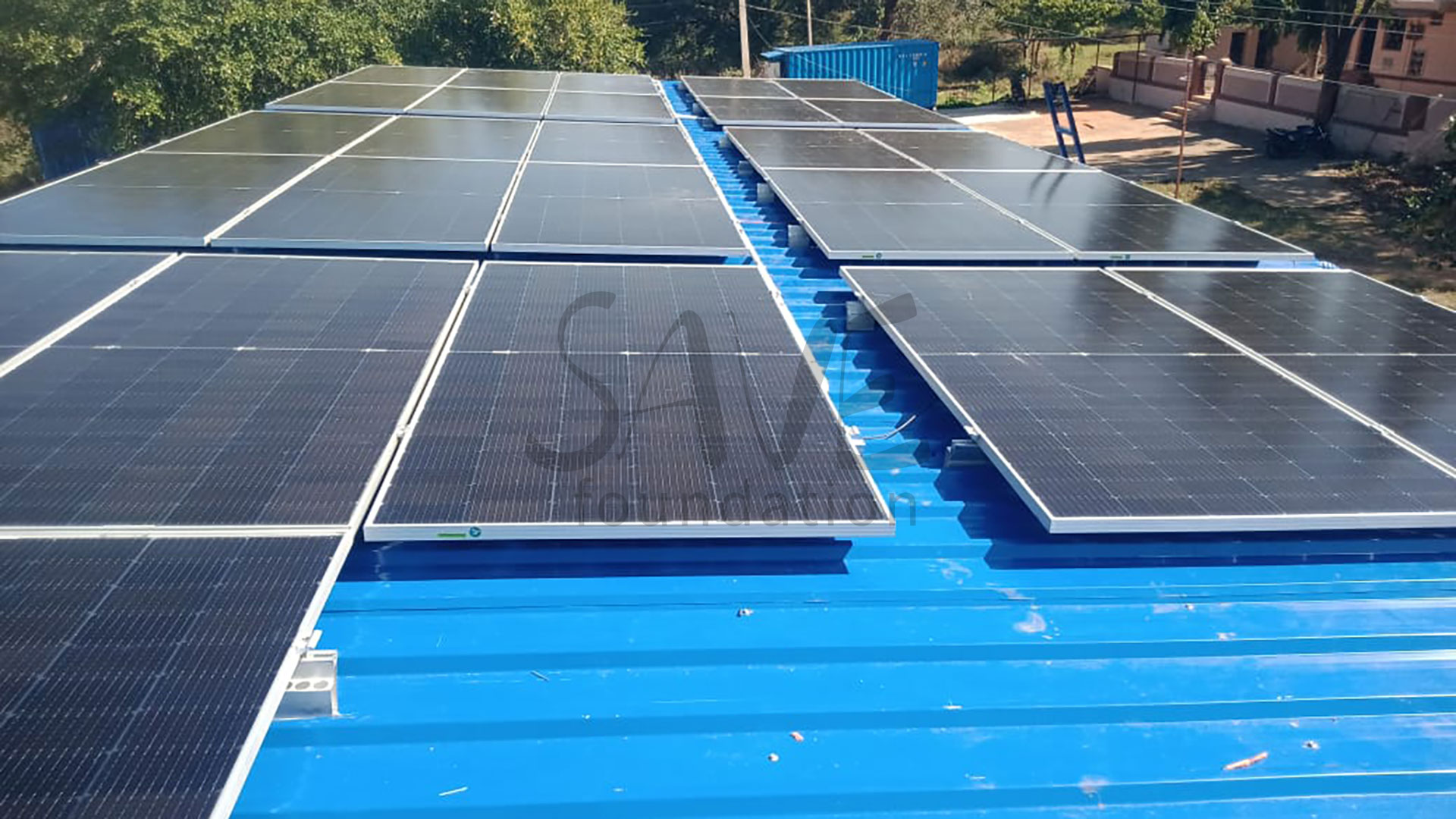
The farm is powered by renewable energy including solar panels and biodigestors, creating additional livelihood opportunities for trained local technicians. Biodigesters also convert farm waste into biofertilizer, lowering cultivation costs. Transport and related services are outsourced locally, further strengthening the rural economy.
Impact
SAVE Foundation designed this initiative as a model for inclusive, climate-resilient development in the Jawadhu Hills. What began as a response to water scarcity is now evolving into a self-sustaining engine of empowerment — especially for persons with disabilities in remote tribal communities.
Financial Independence for Social Outreach
Farm revenues directly fund community-based rehabilitation programs, ensuring consistent, long-term support for persons with disabilities in remote villages.
Inclusive Employment and Local Enterprise
The farm creates dignified jobs for persons with disabilities while generating business for local service providers and entrepreneurs — thereby, strengthening the rural economy.
Environmental Sustainability and Climate Action
Hydroponic farming enables year-round cultivation using minimal water. Solar energy and biodigesters reduce costs, promote clean energy, and support eco-friendly farming practices.
By linking a profitable farm with social outreach, the project demonstrates a replicable model for sustainable and inclusive rural transformation.
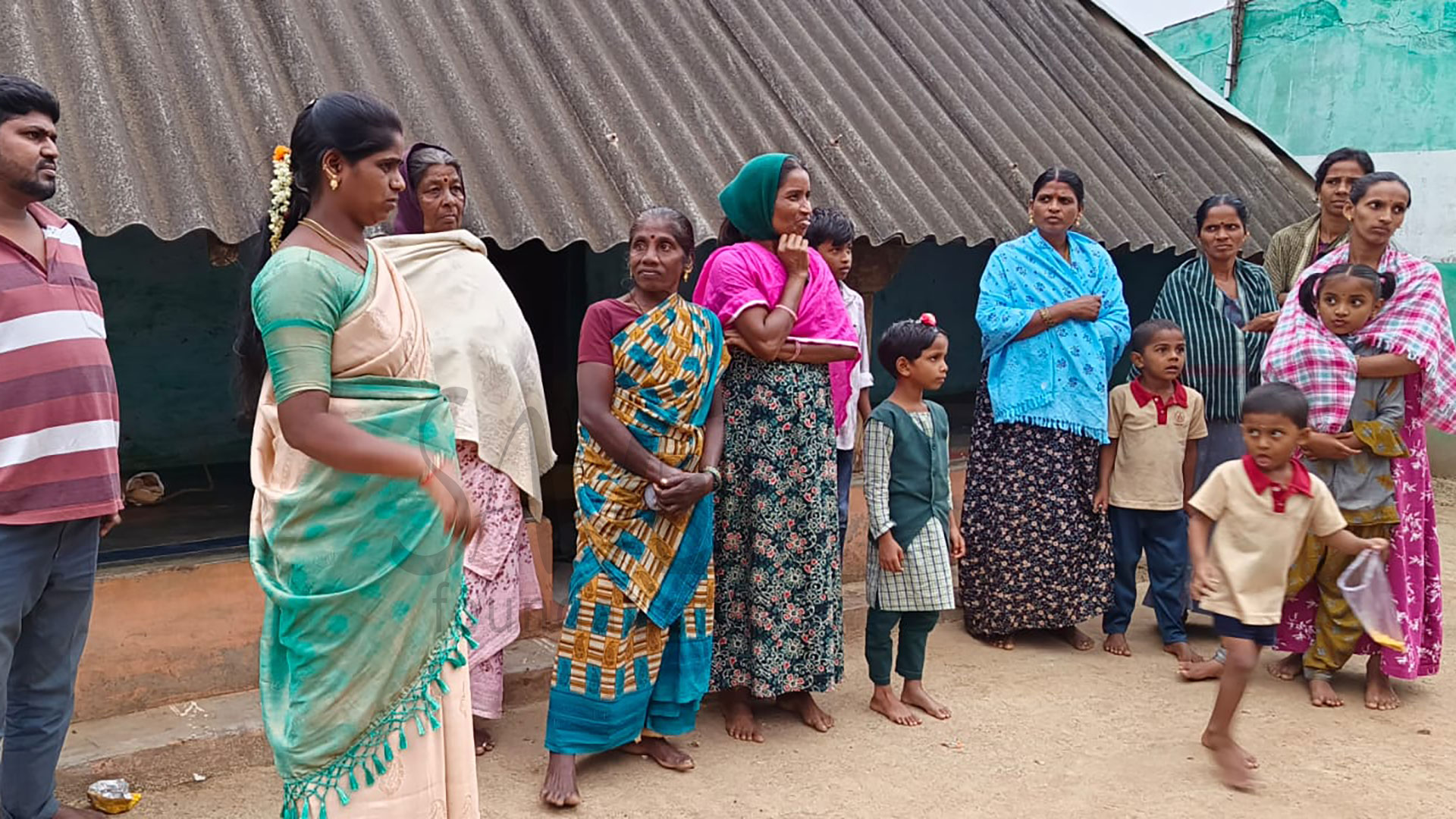
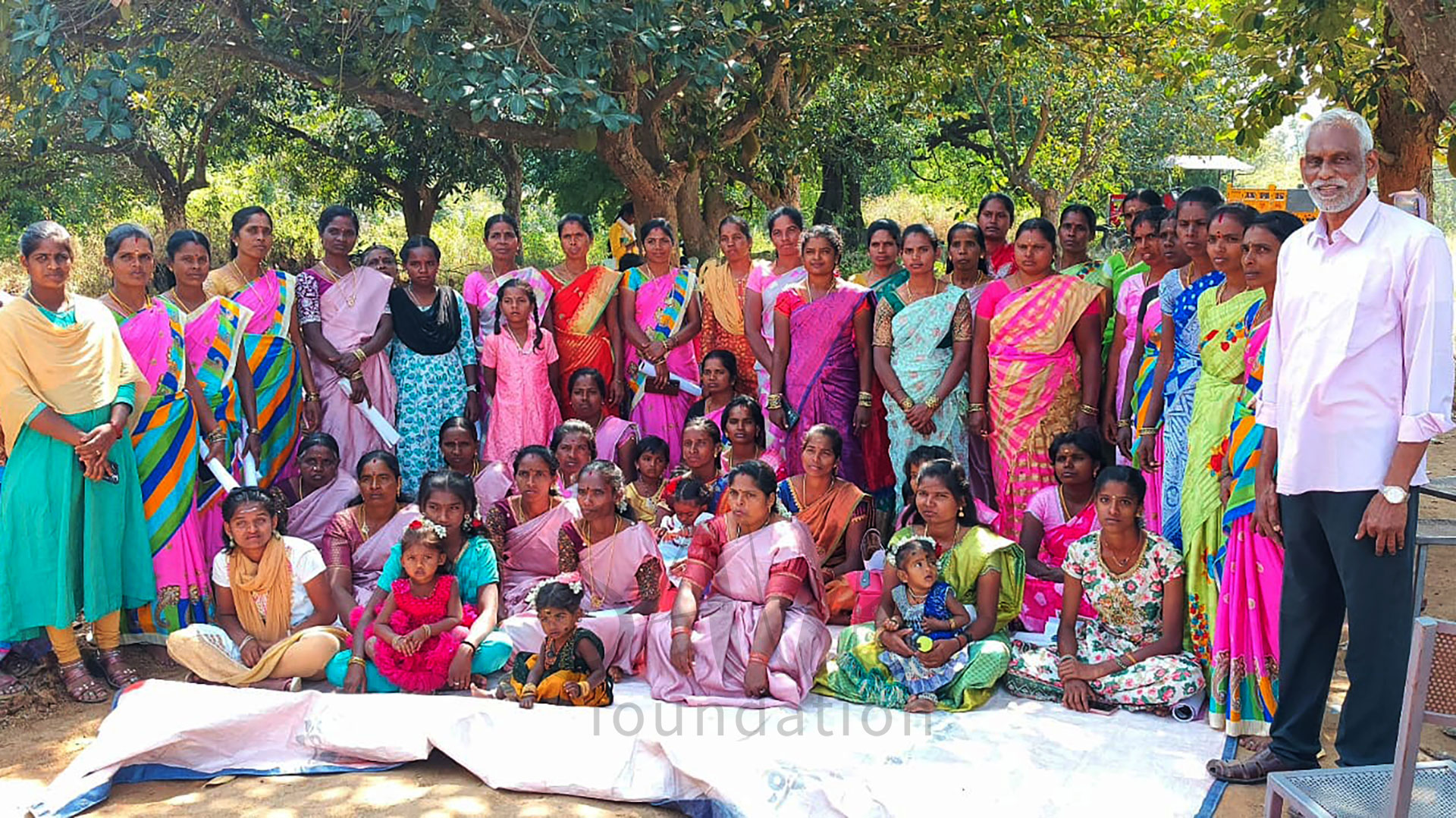
At SAVE Foundation, we believe that the ability to read or write should never be a barrier to essential knowledge. We are proud to partner with the ElevenLabs Impact Program to make information accessible to everyone. By leveraging advanced AI voice technology, we are breaking the barriers of low literacy and language isolation.
